
Bonjour!
We’re sharing our experiences and impressions from this year’s trip to France. As a mixed group of seven people – including representatives from the Open Knowledge Foundation Deutschland e.V. via Jugend hackt and artist friends – we set off from Saxony on 20 May in two cars, with our main destinations being Le Soler and Toulouse. More specifically: La Cyber Fabrique and the fourth edition of the FaireFestival in Toulouse.
Our focus was on Franco-German relations and friendships, and on reuse (“Transformation par le Réemploi”). Specifically: through hands-on workshops at the joint Occitanie–Saxony stand, we demonstrated how materials, software code, computer technology and participatory methods can be jointly sourced, shared, recycled and upcycled, and how sharing can ultimately be both sociable and sustainable – very much in the spirit of open workshops.
There’ll be another blog post coming up on the FaireFestival section. Watch this space!
Aside from the FaireFestival, there are plenty of noteworthy and worth-sharing impressions from our journey, which we present here. Over the last few years, we have forged many personal connections. As a result, we made quite a few stop-offs in the various administrative regions of France to visit the respective projects and catch up on the latest developments. This sense of solidarity is due, amongst other things, to the constant efforts of Alexandre Roussoulet.
The journey took us right across Grand Est, Bourgogne-Franche-Comté, Auvergne-Rhône-Alpes and finally into Occitanie. Covering over 4,500 km and featuring dozens of stop-offs, the trip was as varied as ever in terms of speed, elevation, language, landscape, temperature and so on.
The travel map
To help you find your way around, we've created an OpenStreetMap map (not complete) and are sharing it here. It serves as a long-term reference (for us) for the many stops.
20.05.2026 | Start of the trip and CREAPOLIS Makerspace // Coburg
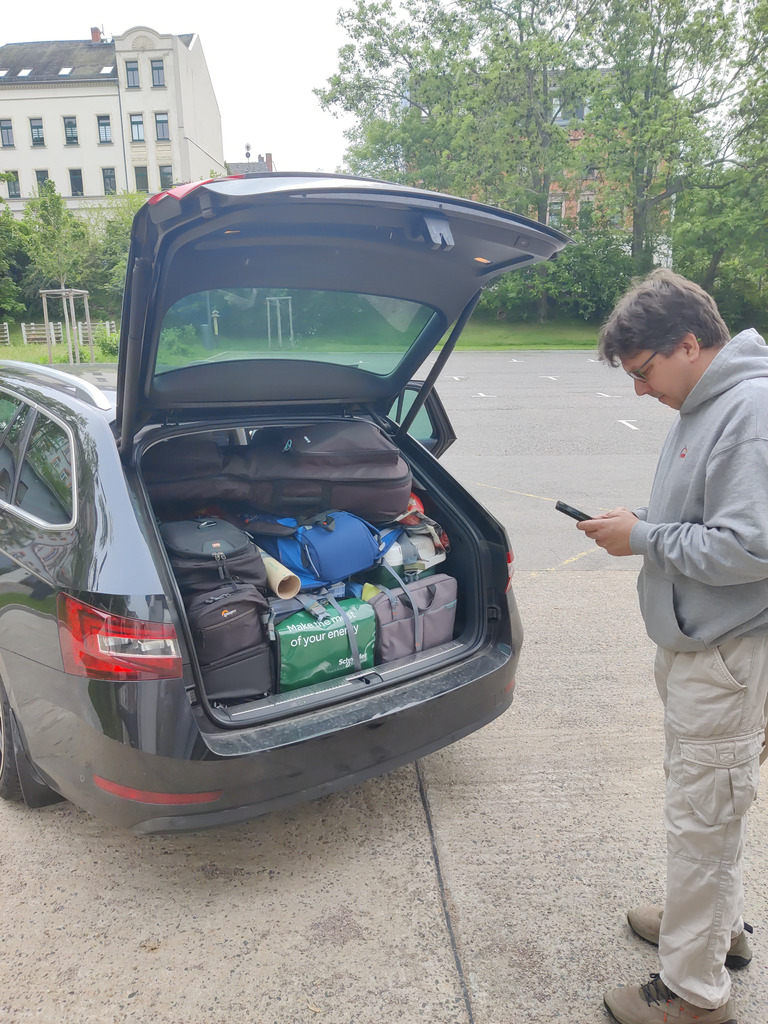
Here we go! The first car is full, and we’re still feeling pretty tired :-] Hopefully, we’ve packed everything we’ll need down south. On board are Maik, Mario and Toni – the first part of the group, who are setting off a little earlier than the rest of the tour group. Our destination for the evening is the French city of Besançon. With Maik at the wheel, we set off at around 10 o’clock in the morning and rack up the kilometres on the motorway. Everything’s going smoothly – no traffic jams, no bad weather.
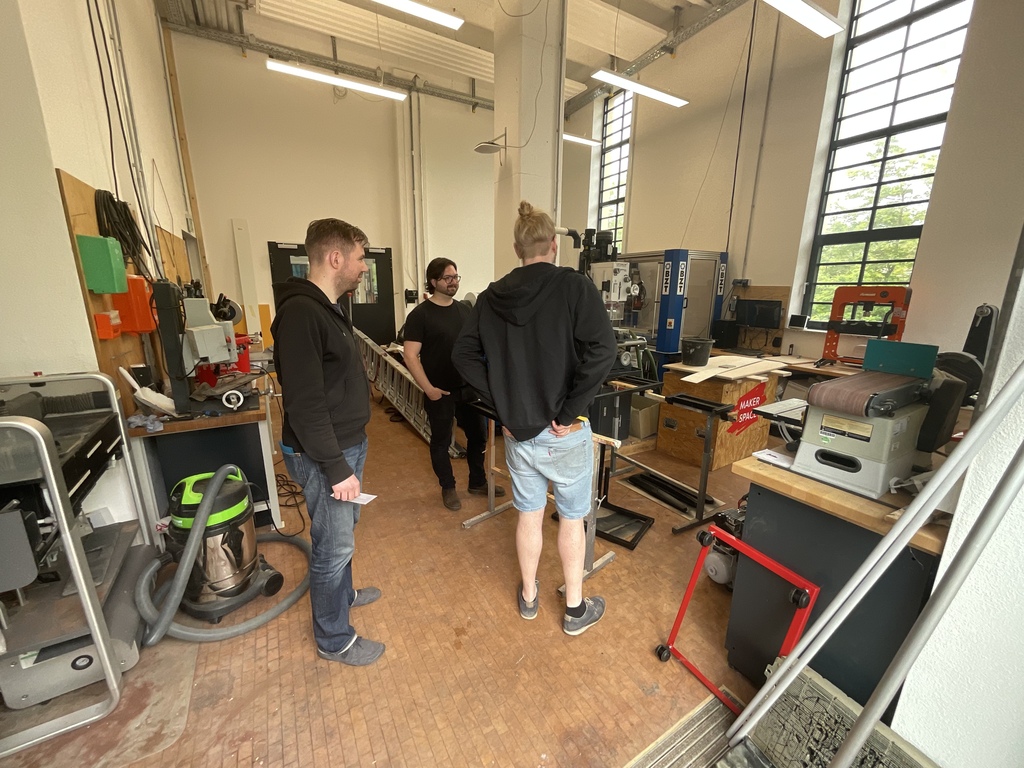
We made a stop at the CREAPOLIS Makerspace in Coburg, Upper Franconia. It’s located on the site of a former slaughterhouse, is affiliated with Coburg University of Applied Sciences, and is a member of the Open Workshops Network. Here we meet Jan Schmid and Lorenz Raab, who give us a closer look at CREAPOLIS and explain the space. There’s plenty to see, and lots of people are hard at work. Among the highlights: a bright and spacious woodworking area, a metal workshop with a well-stocked selection of bending, welding, and milling tools, a room with 3D printers, plotters, and more, a cozy workspace or lounge, and much more.
We were so engrossed in our conversation that we didn’t really get round to taking many photo snapshots (as we all know, it’s the memories that count). Due to time constraints, we couldn’t stay for very long either. In any case, we came away with a few tips for our metal workshop, amongst other things, which will come in very handy for our own workshop. Thank you for sharing your experiences with us!
It’s a pitty that Florian Festi wasn’t there – he’s the creator of the open-source laser-cut generator boxes.py, who’s well known in the DIY scene, and, as we’ve learnt, he’s also part of the team. We would have loved to have congratulated him in person.
21.05.2026 | Stop 1 - Fablab des Fabriques // Grand Besançon Métropole
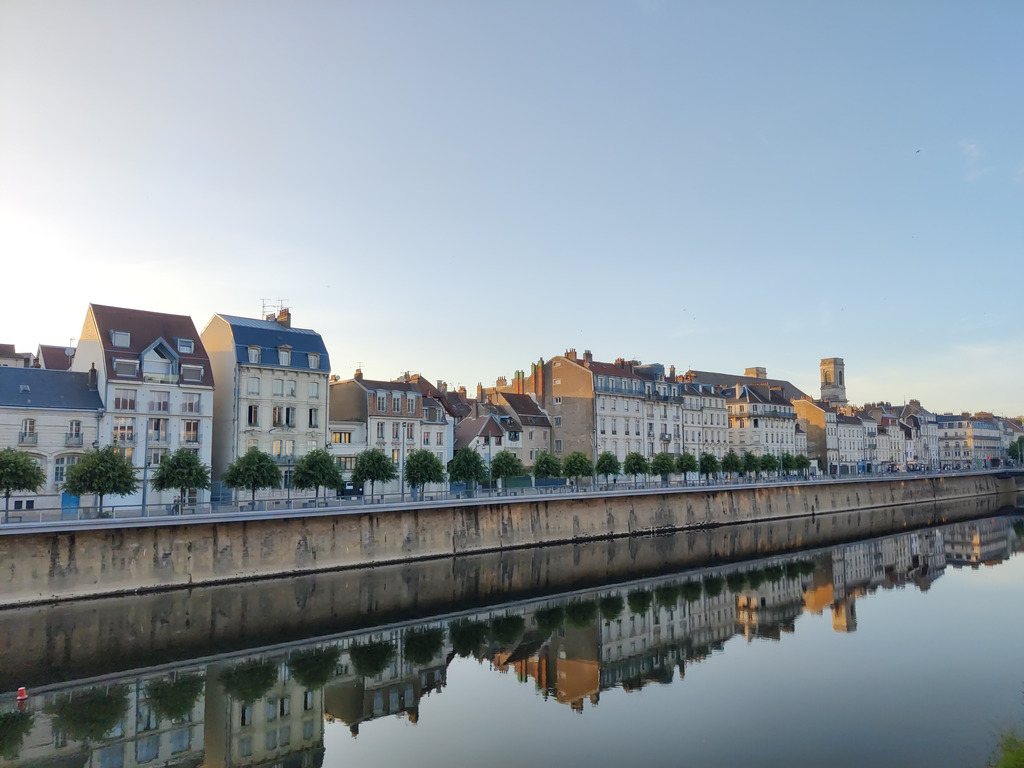
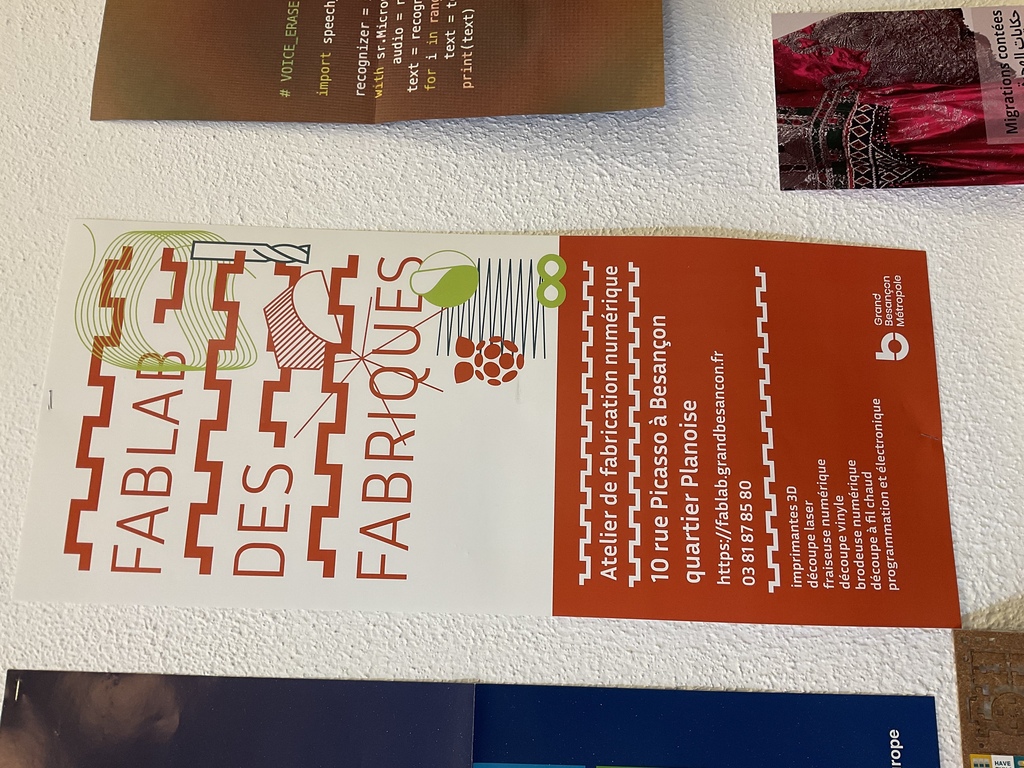
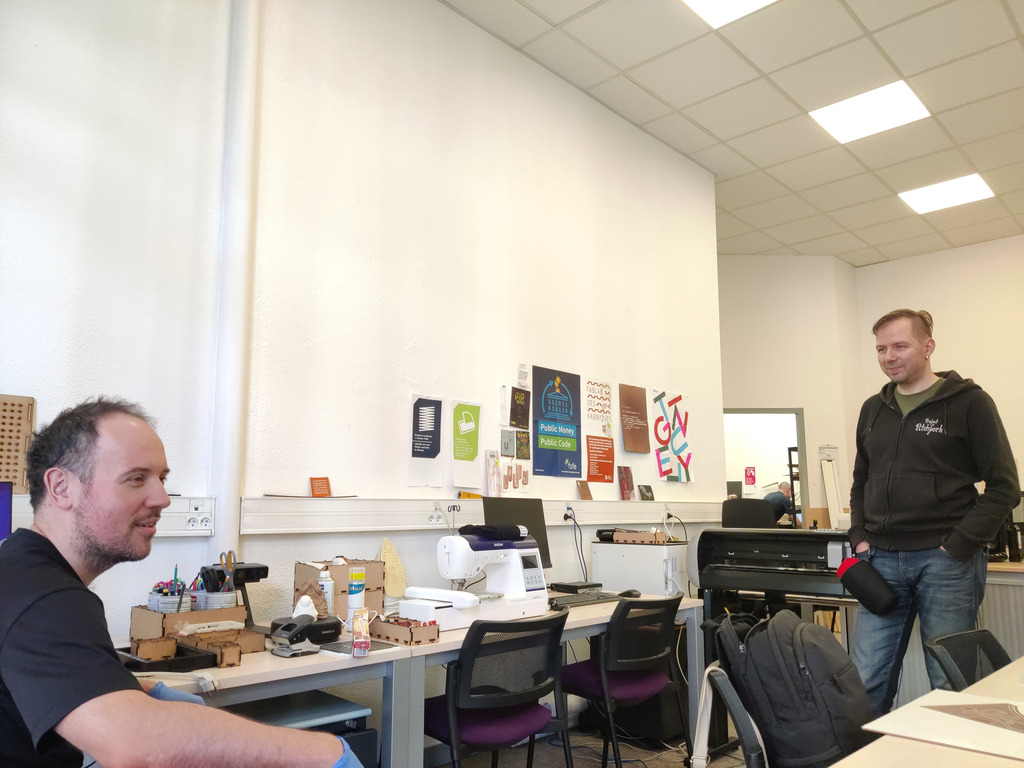
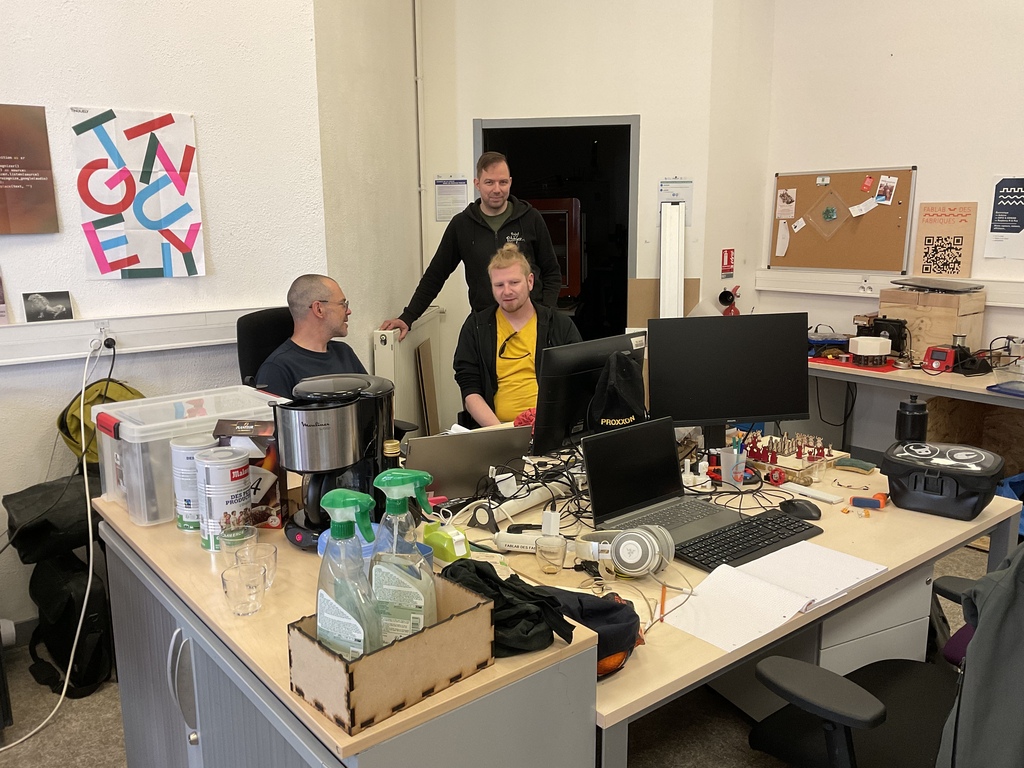
Upon arriving in Besançon, we head straight into the city center, where we see a unique historic ensemble of building facades along the river (the Doubs). Not far from the Pont Battant, we meet up with our longtime contact Léon Reboul and his colleague Guillaume Bertrand - both of whom are part of the Fablab des Fabriques. We’ve known Léon for quite some time: Maik met him in Montpellier when he was our host, and last year he stayed with us and supervised a project for the Natural History Museum, for which we were able to return the favor. Now he has moved away from Montpellier and has settled into his role as a workshop supervisor at the FabLab in Besançon.
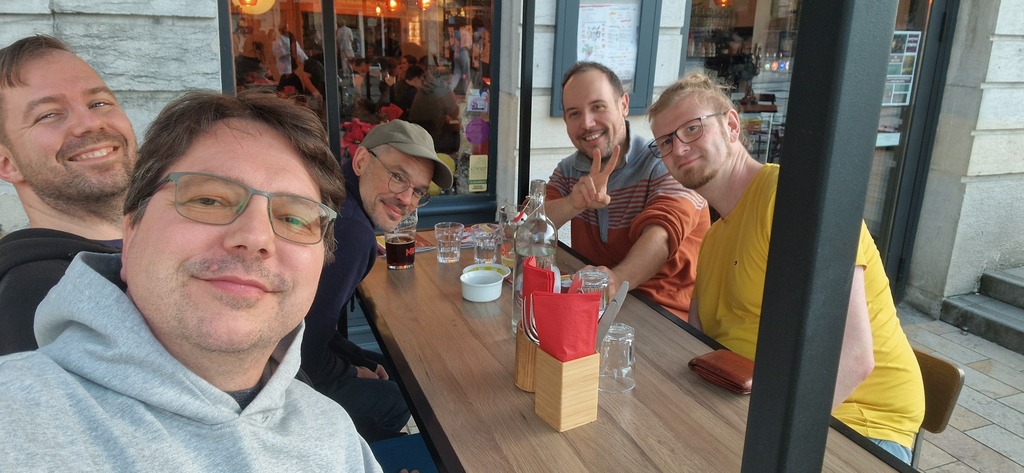
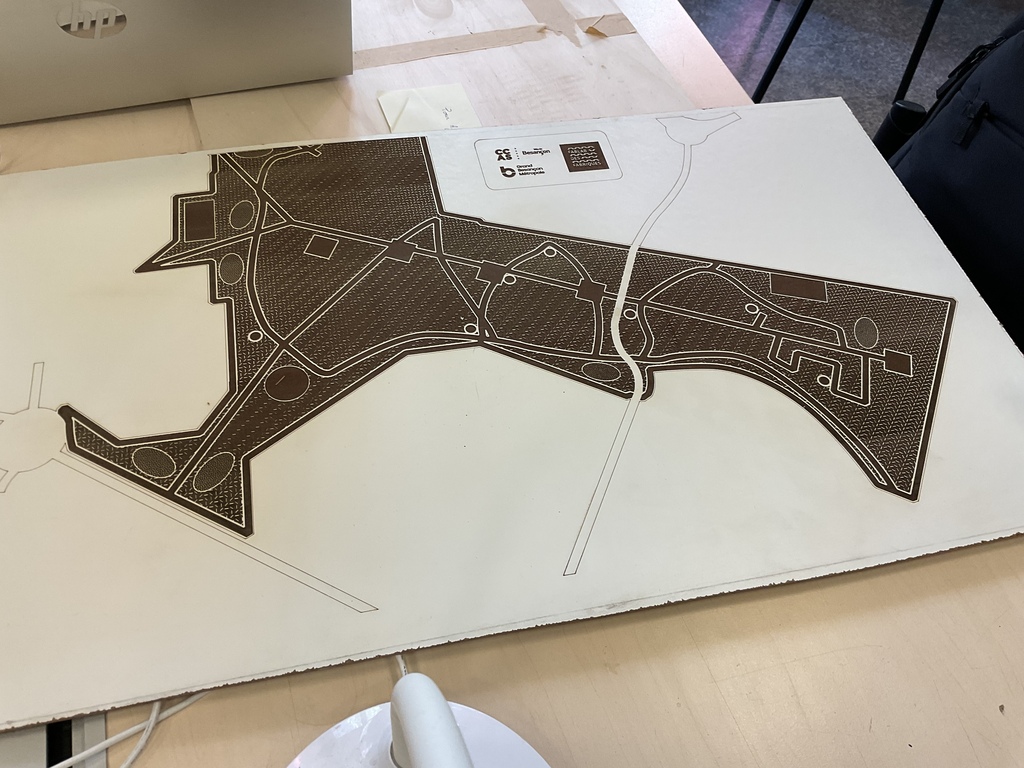
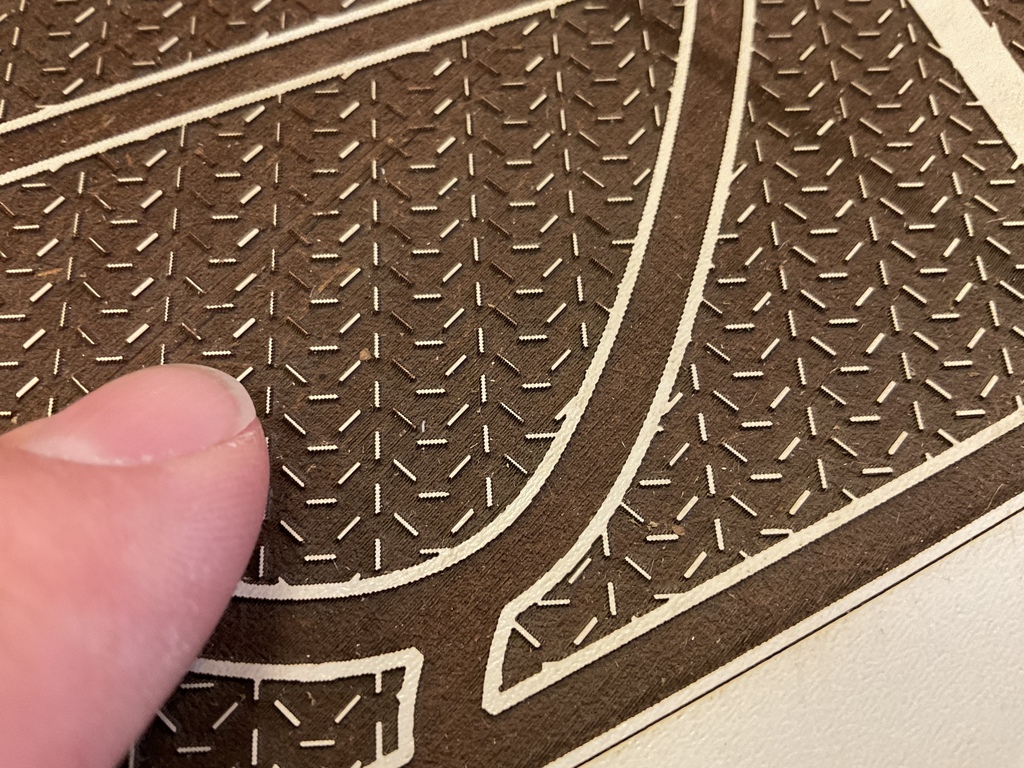
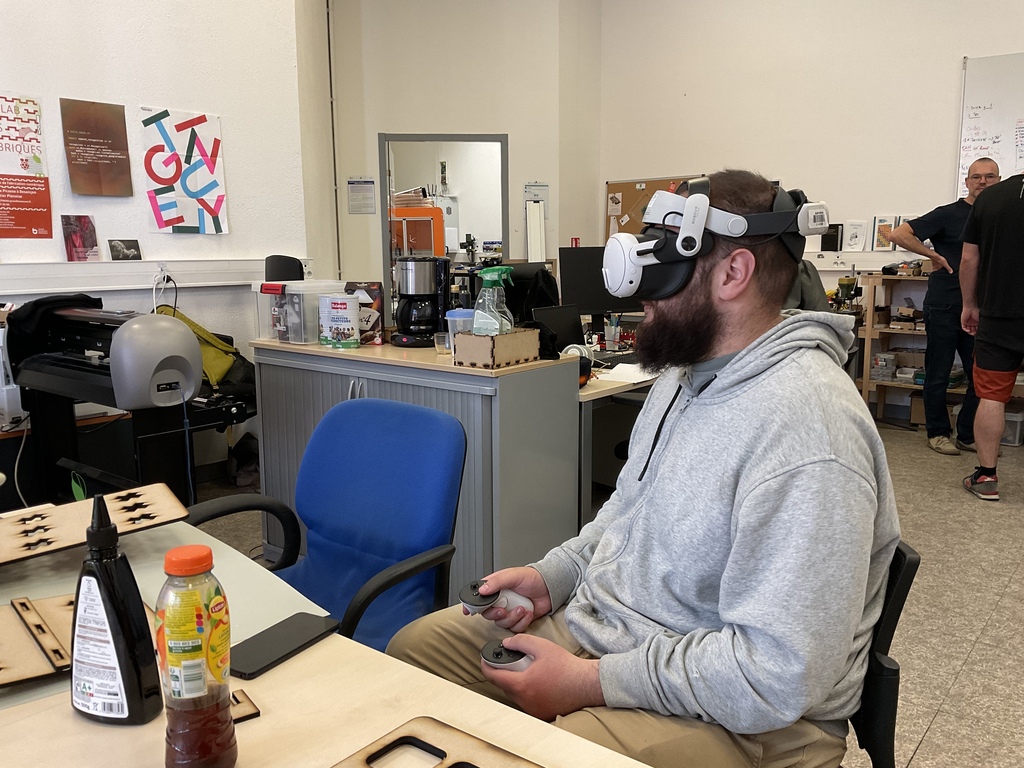
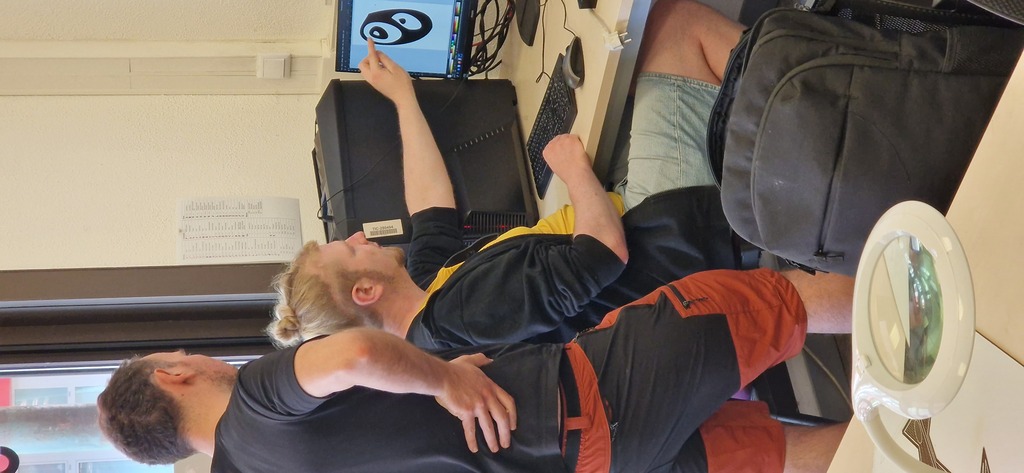
After meeting up the night before for a few light local beers and recovering from the first leg of our long drive, we arranged to meet the next day at the FabLab at Fabriques. It’s located in a suburb of the city center and is easily accessible to city residents. Our spontaneous topics ranged from general discussions about workshop operations and organization to open-source tools: Home Dashboards, Inkscape, and others. Among different things, we talked about various algorithms and software extensions. Maik showed a FabLab guest his VR tour of the FabLab Chemnitz. We also discovered, for example, exciting tactile models to touch - made with the laser cutter.
22.05.2026 | Stop 2 - LaboLac // Annecy
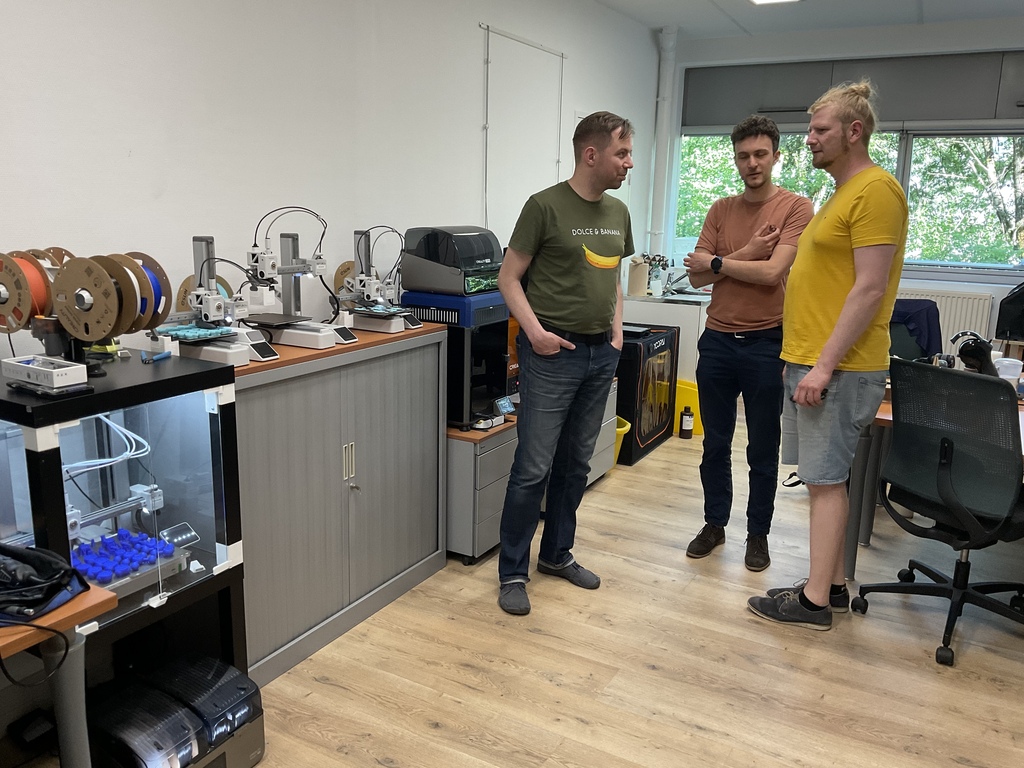
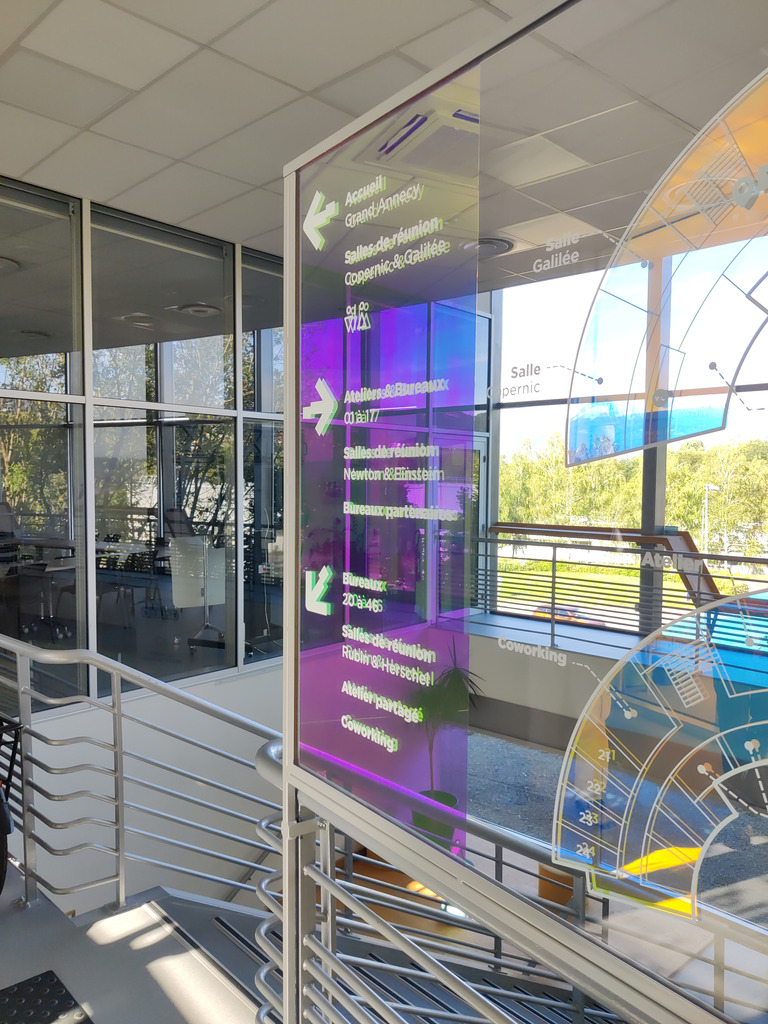
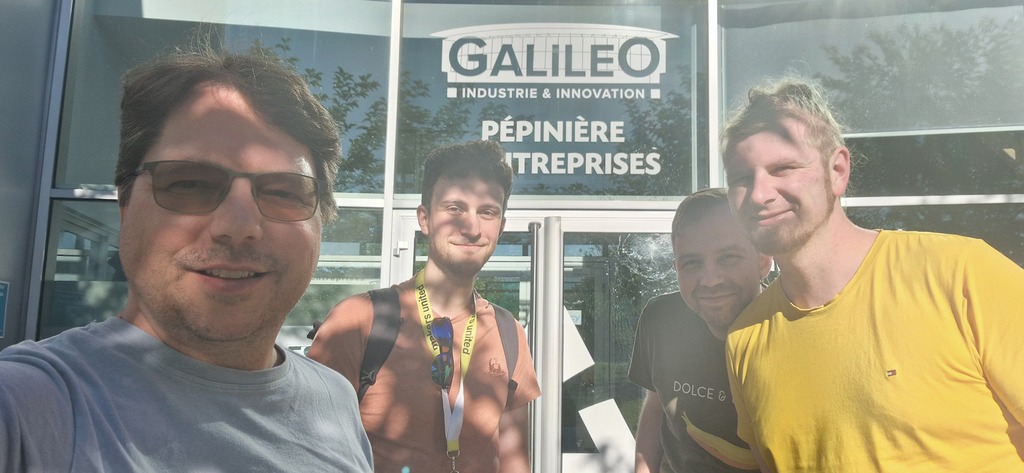
Our next destination that same day is the tranquil region and city of Annecy, located south of Geneva and about 180 km from Besançon. During the drive, we catch several glimpses of Mont Blanc rising above the mountain range. Here, too, we run into some familiar guys: Aurélien Guestin, who also visited us in Chemnitz back in 2025 and has been working for many years in fields such as robotics, electronics, 3D printing, and design. He shows us around the facilities at LaboLac - his own startup - located in a modern business incubator called Galileo (similar to the TCC in Altchemnitz).
21.05.2026 | Stop 3 - ideationLab // Annecy
With Aurélien in tow - or rather, with us taking him along - we drive to our next stop in the same city. Due to heavy city traffic, it takes us quite a while to cover what is actually a fairly short distance by car - we learn that traffic in Annecy is very heavy because of the tourists.
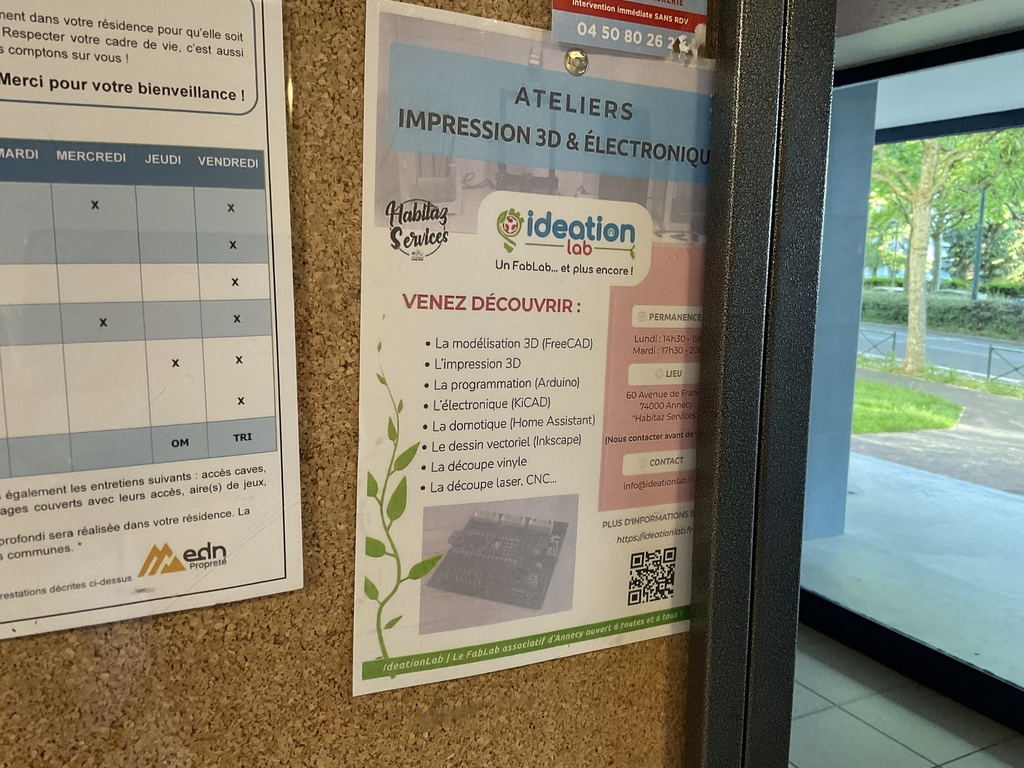
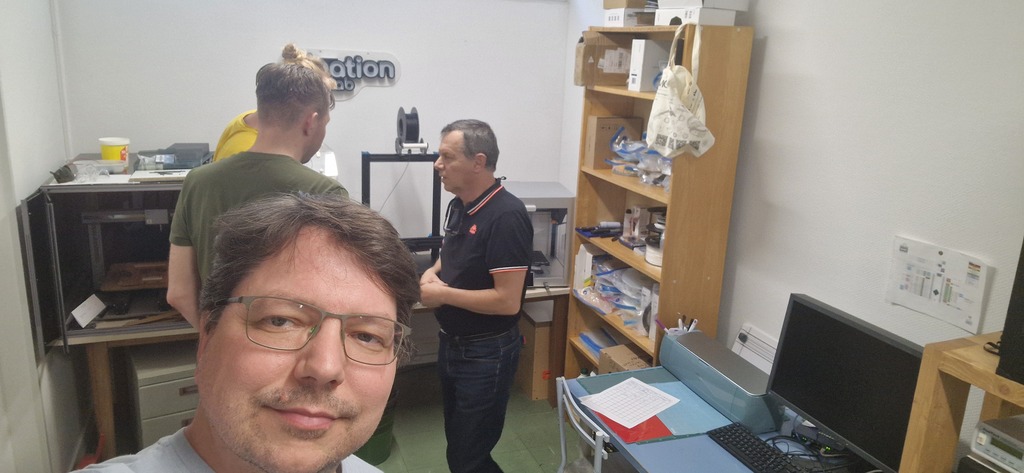
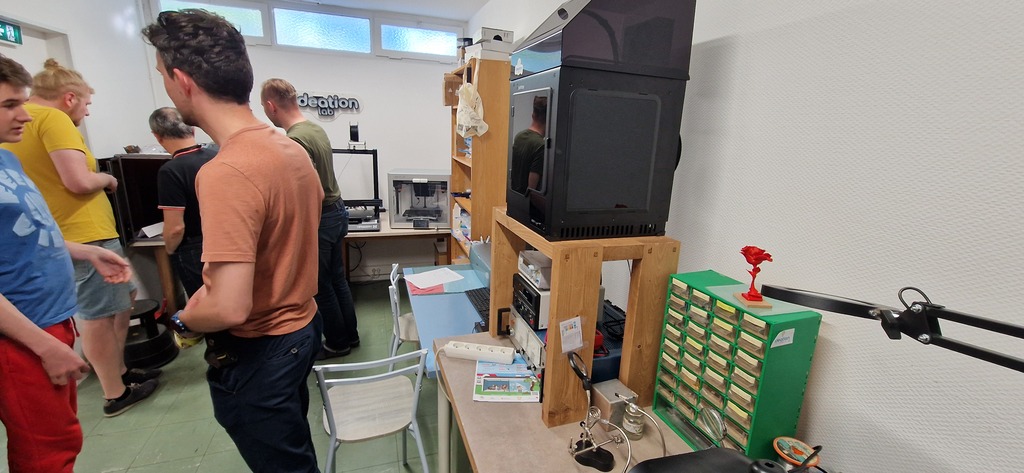
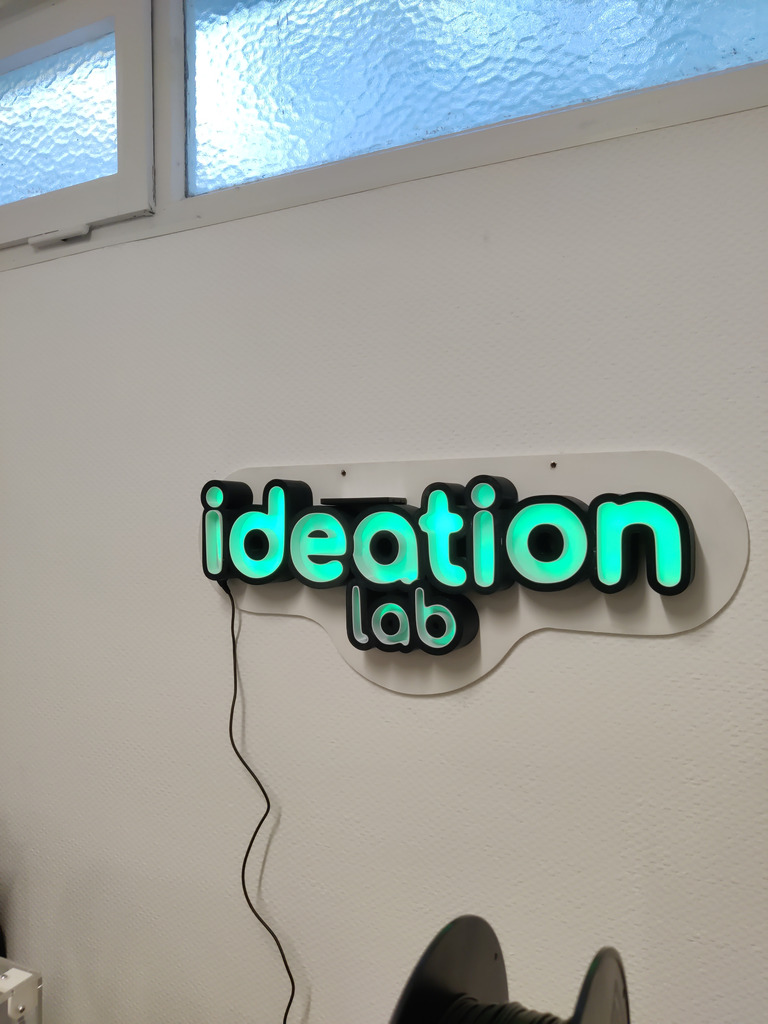
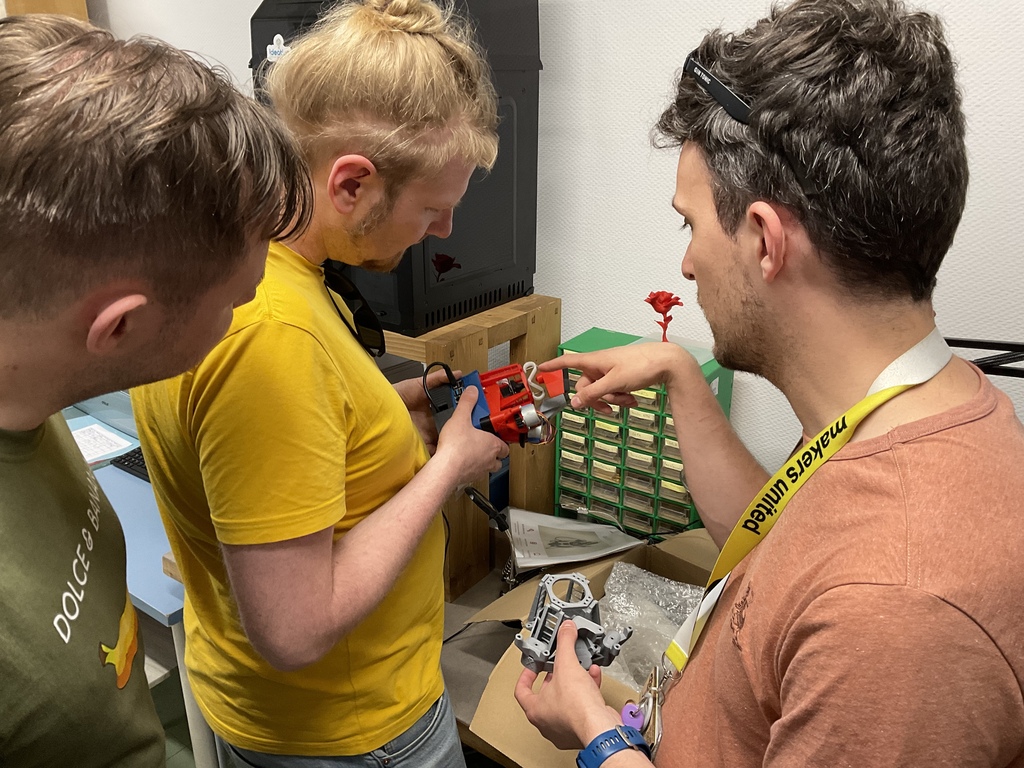
The new destination: the ideationLab. It’s a compact yet very well-equipped makerspace that Aurélien co-founded a few years ago. For its size, the workshop offers a remarkably diverse range of resources (woodworking, CNC milling, laser engravers, 3D printers, plenty of hand tools, and more). It’s located right on the ground floor of a large residential high-rise - right in the heart of the city, making it easily accessible and operating with set hours. Among others, residents of the building and neighbors are members of the association and contribute to its diversity.
After a pleasant welcome session, we discuss various activities at the ideationLab, such as electronics workshops for teens—using a DIY microscope as an example. At the ideationLab, we meet an extremely dedicated young person who tells us all about his project: a non-planar slicer (explanation) for 3D printing, and we’re amazed that he’s tackling such a complex subject.
21.-22.05.2026 | In between // Region Annecy
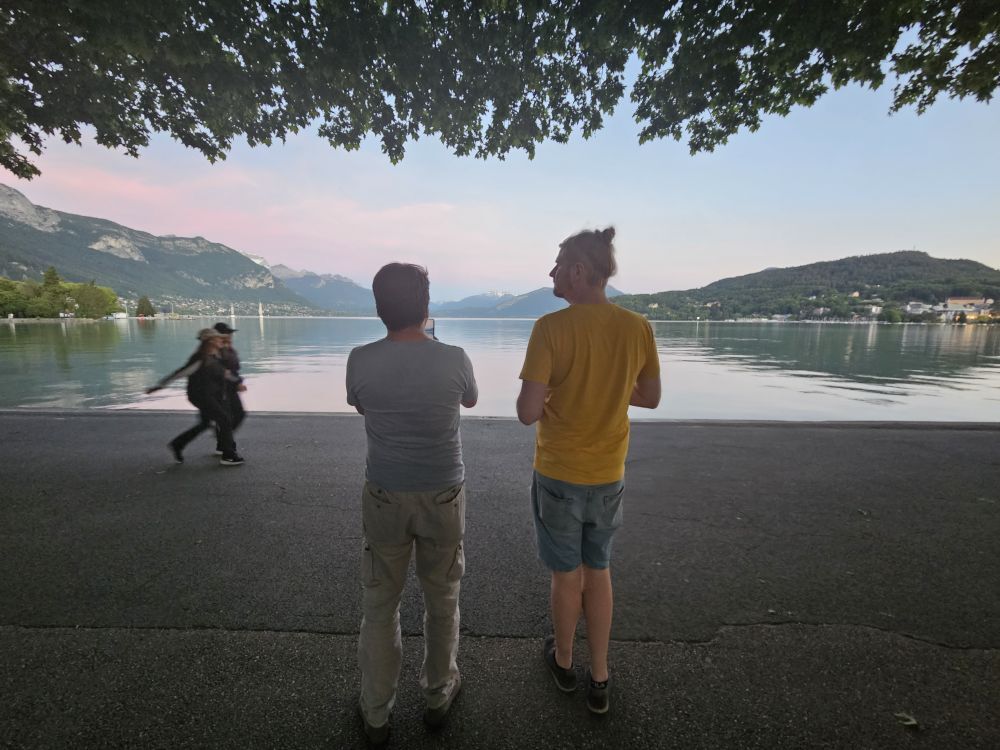
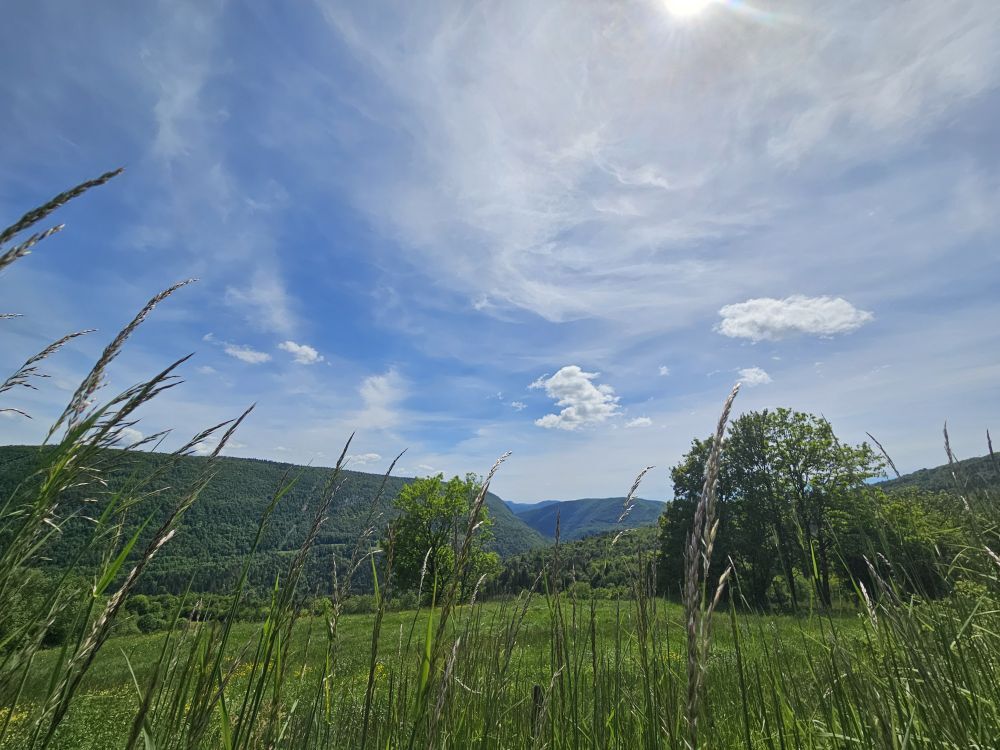
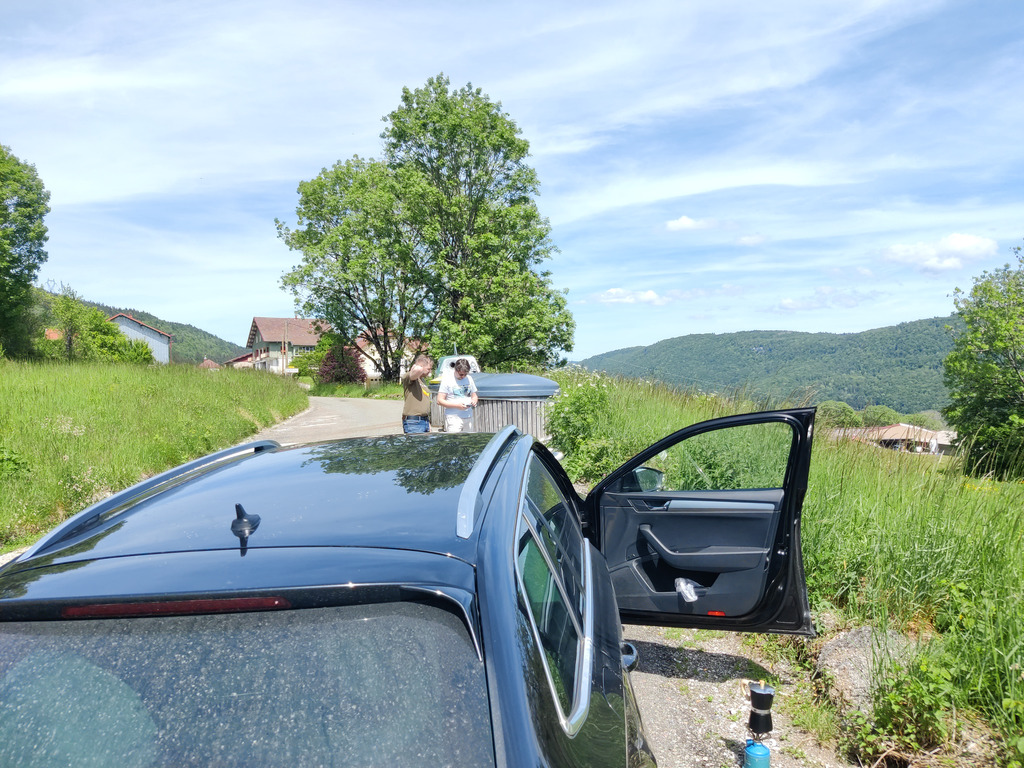
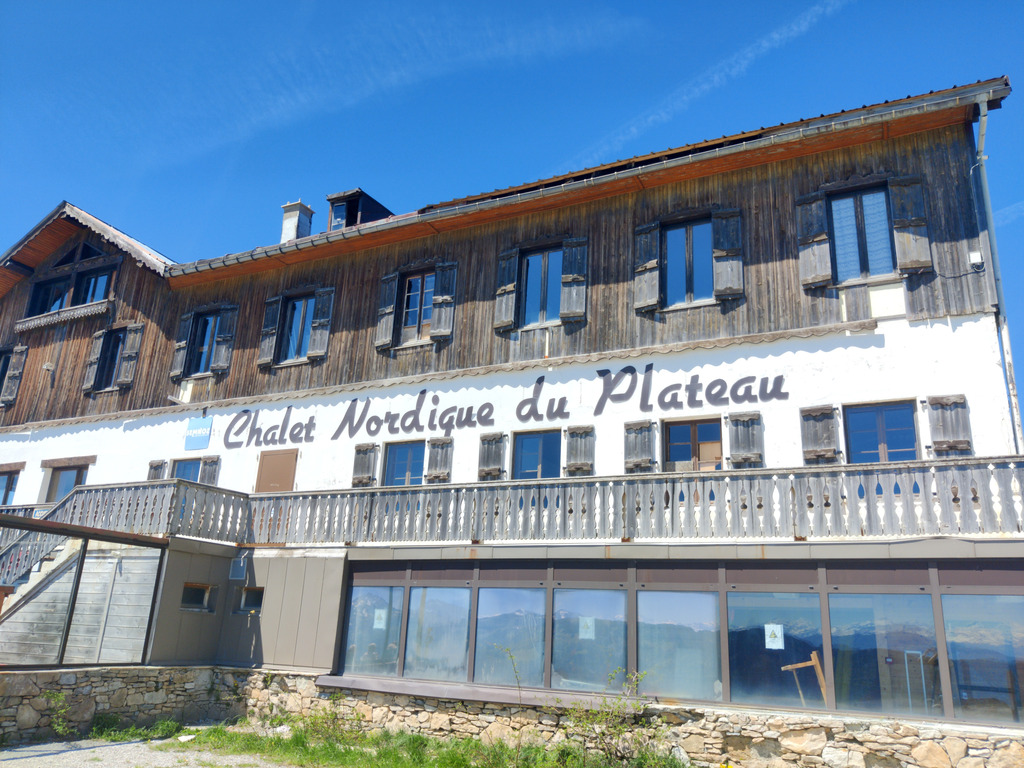
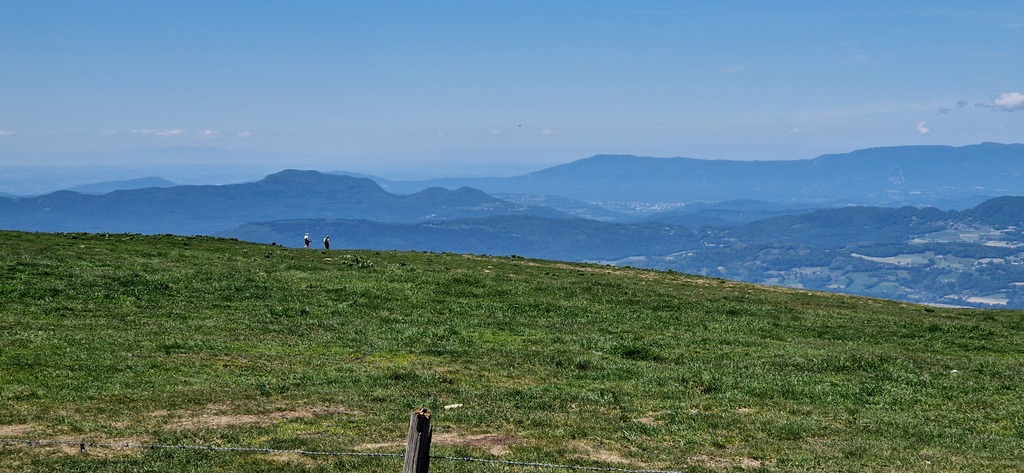
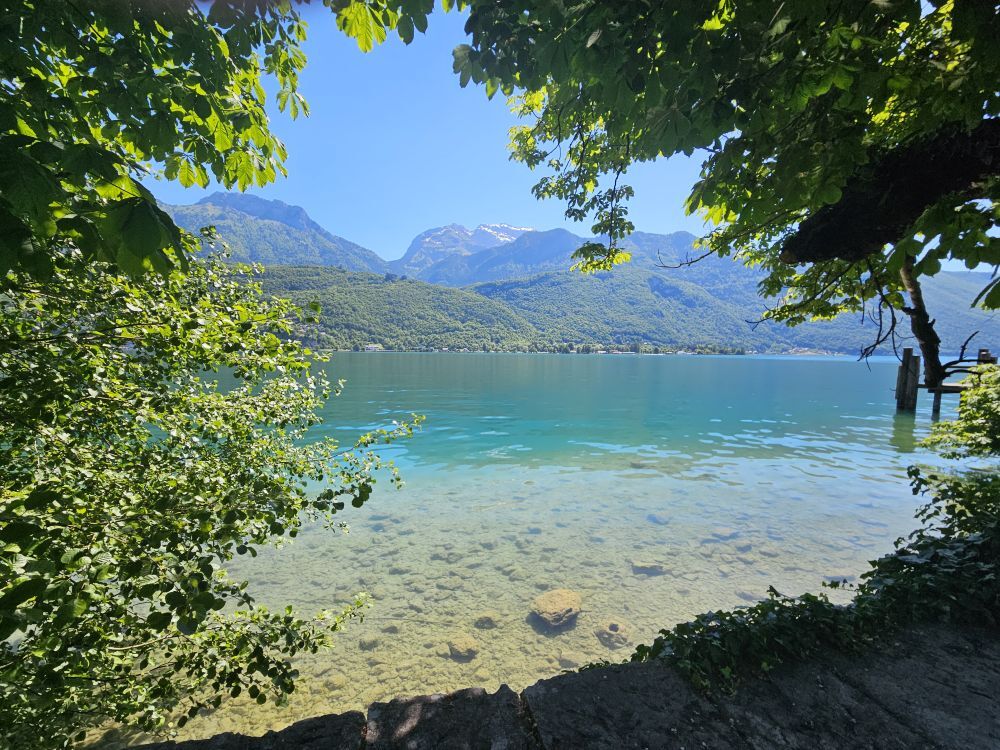
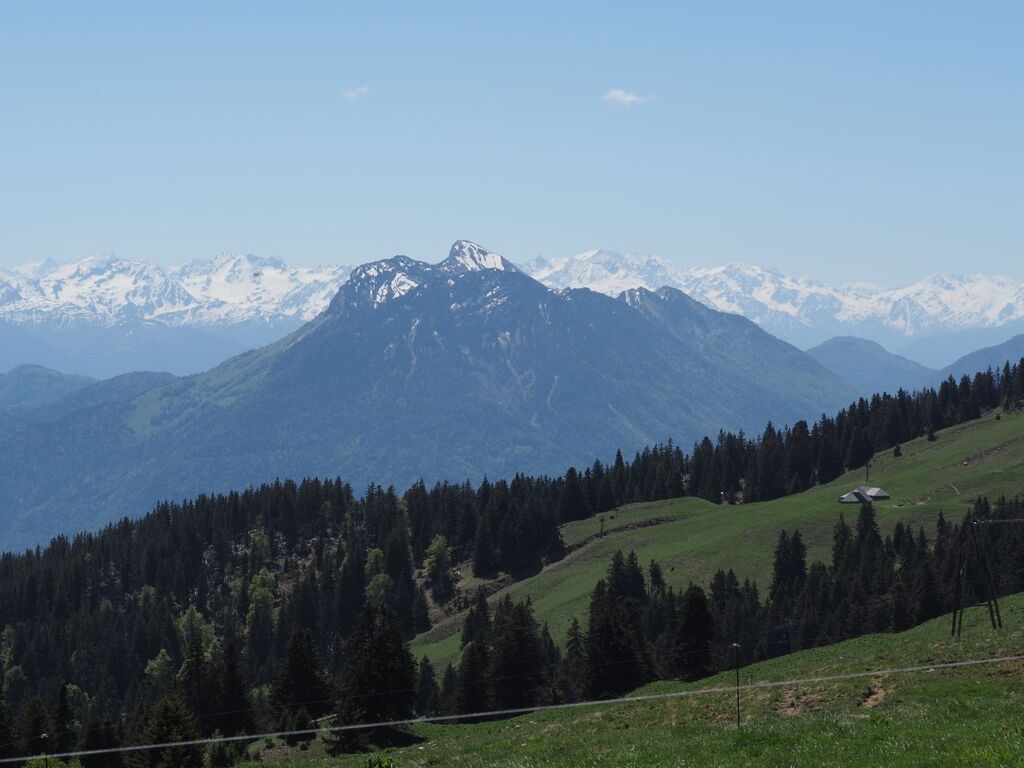
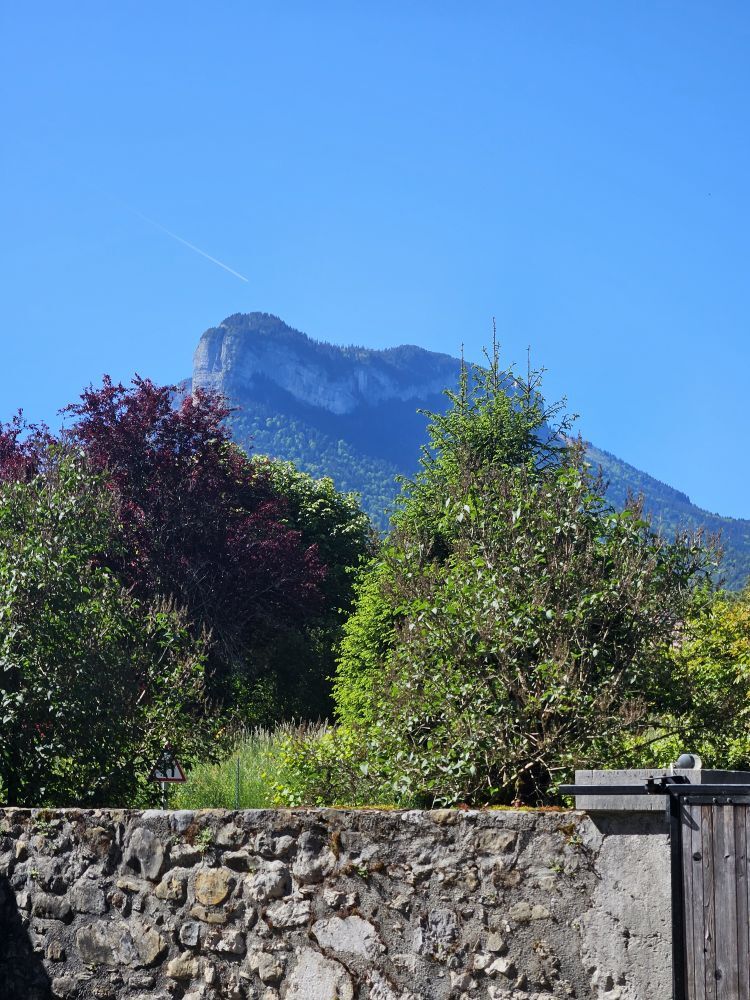
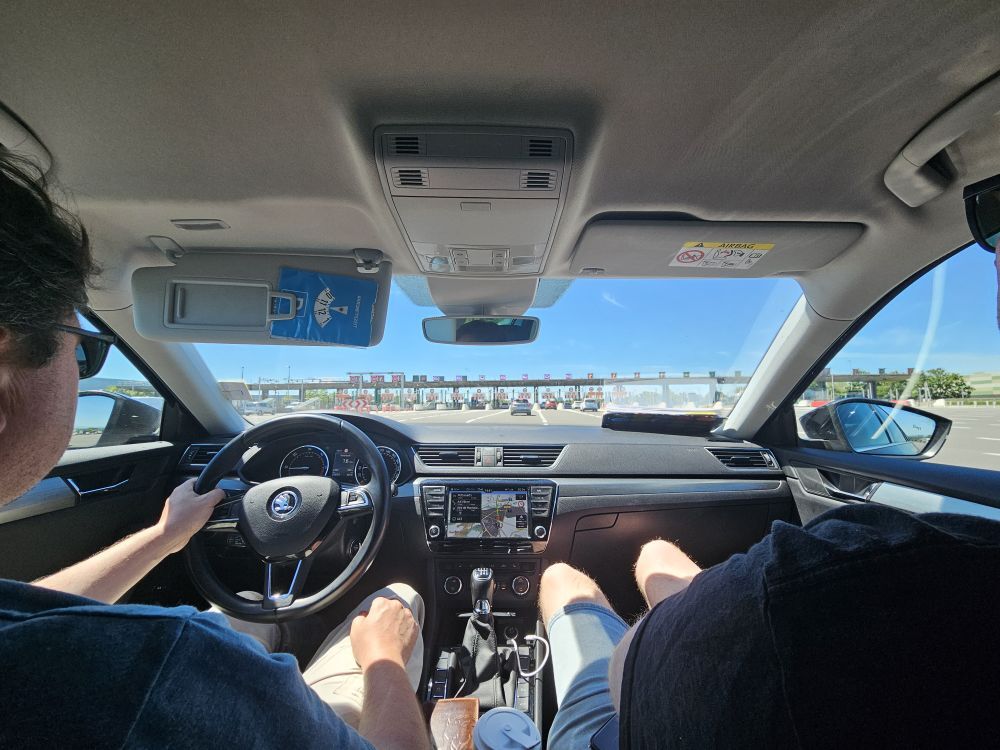
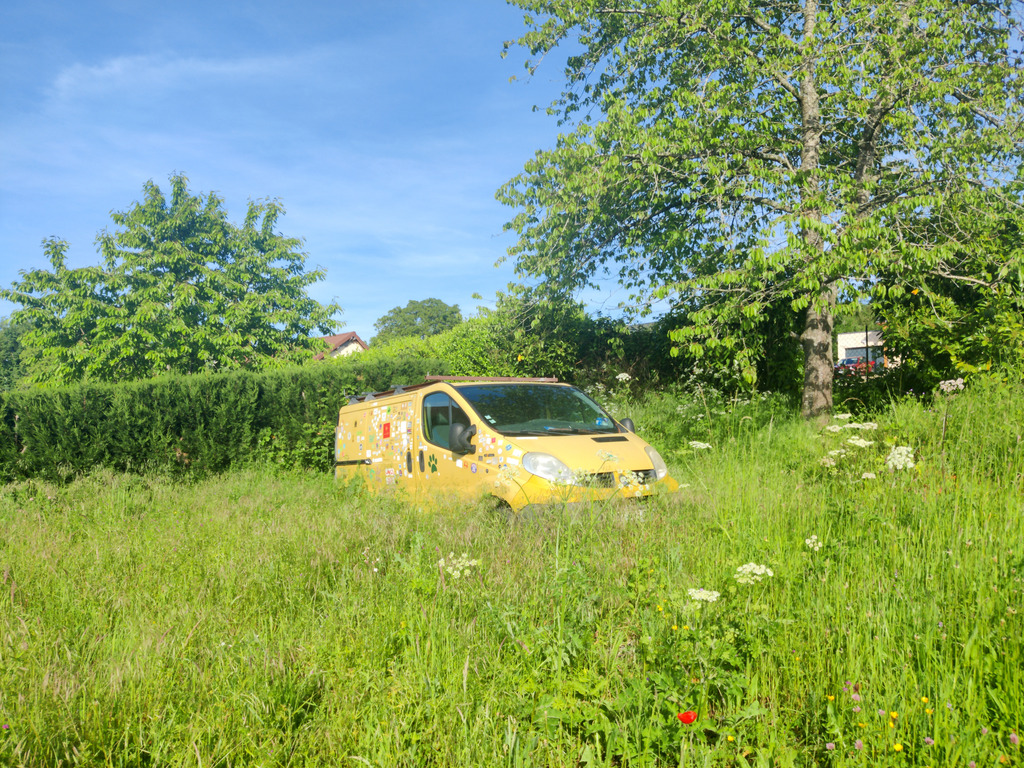
This isn't exactly a substantive piece of writing, but it offers a few lovely glimpses along the way. France is known for its natural beauty—at least by word of mouth. And we weren't disappointed here. The countryside around Annecy is picturesque. When you're driving many kilometers, you have to take breaks every now and then. So we made a stop or two out in the countryside.
22.-24.05.2026 | Mountain Makers // Manzat
We made a slightly longer stop in Manzat. Manzat is located very close to Clermont-Ferrand and the famous town of Volvic. We know it from the mineral water of the same name (we even poured ourselves some fresh water right from the spring!).
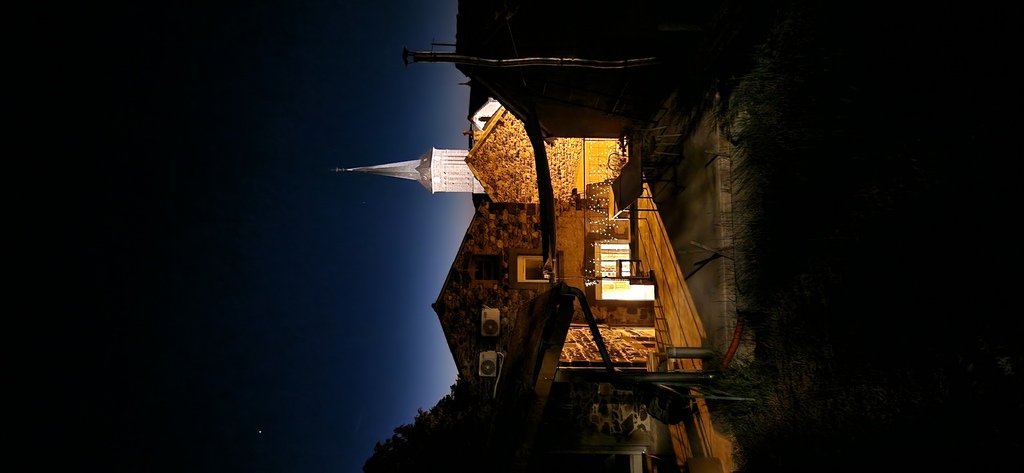
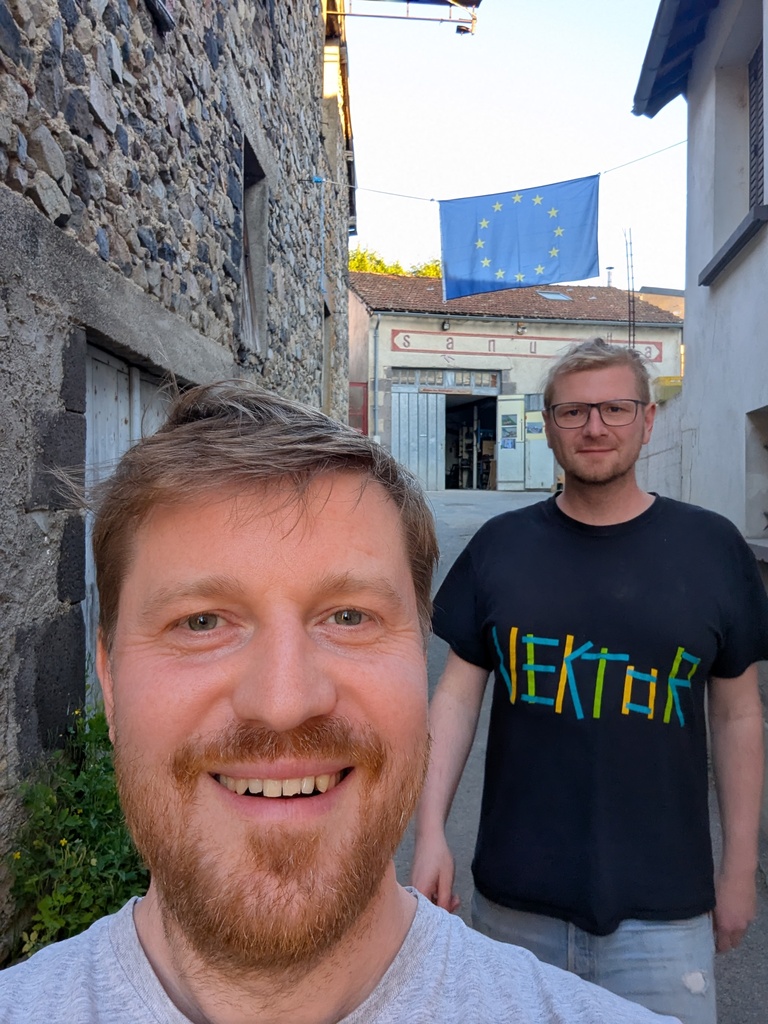
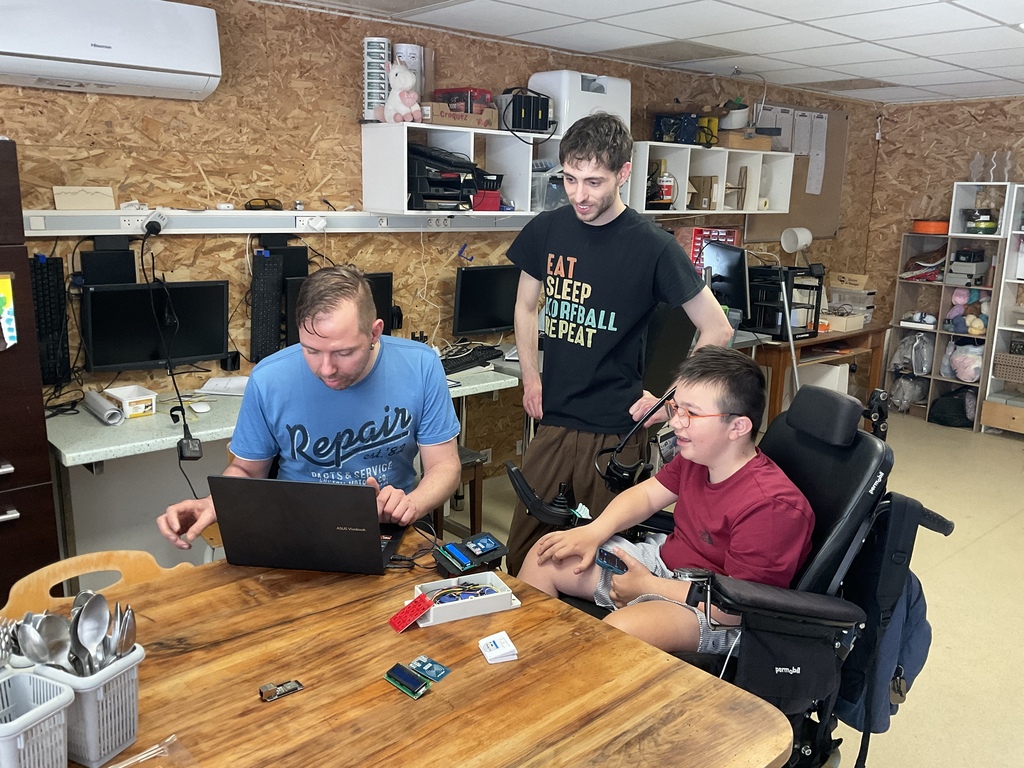
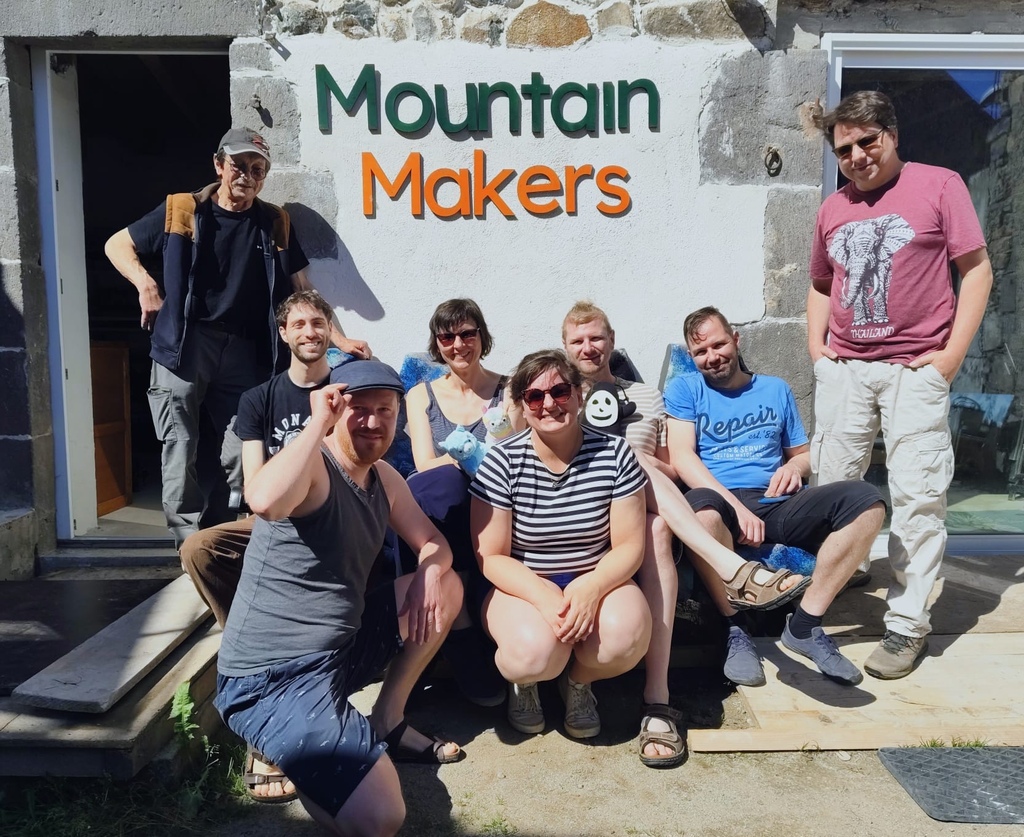
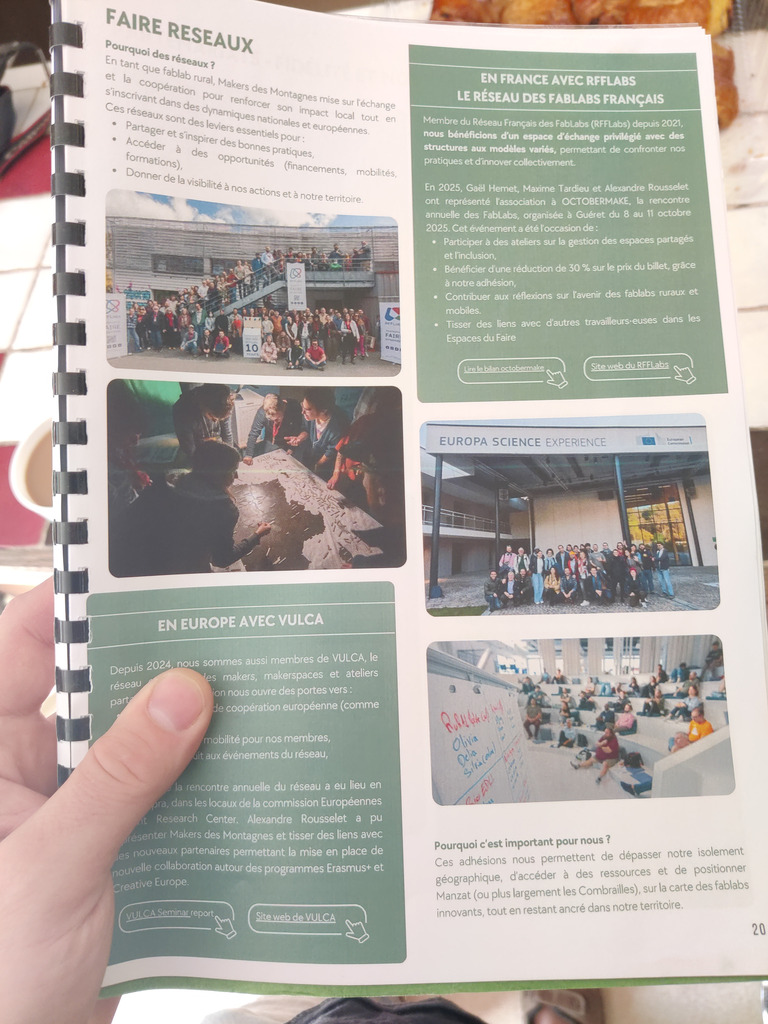
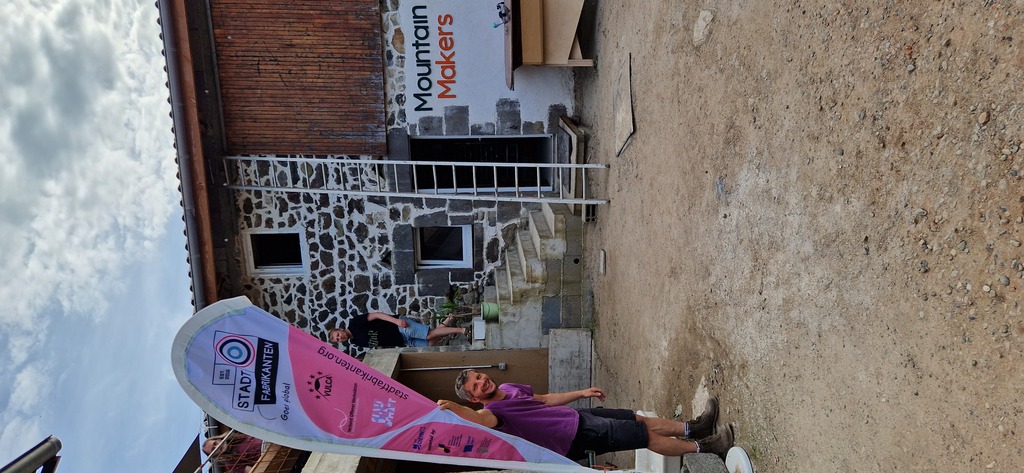
Europe has found a home here in a vibrant makerspace: at the Mountain Makers (Makers des Montagnes). More specifically, with the Rousselet family. Alex, founder of the VULCA Network, has put us up at his place. They’ve worked hard for many years to create this current living space and make it possible to stay there longer—for example, to participate in an ERASMUS program. The house is an old property. You can see traces of many architectural styles and eras there—which makes the individual renovation projects, into which they’ve poured so much energy, all the more exciting.
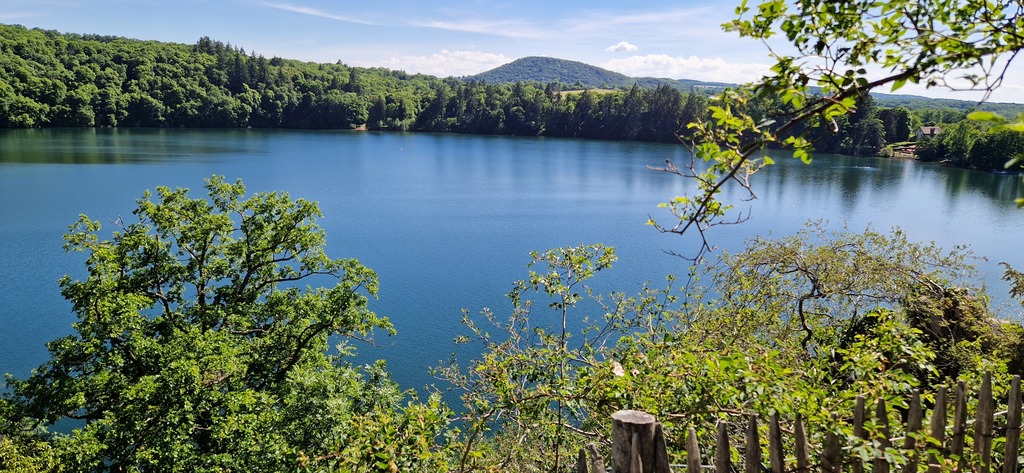
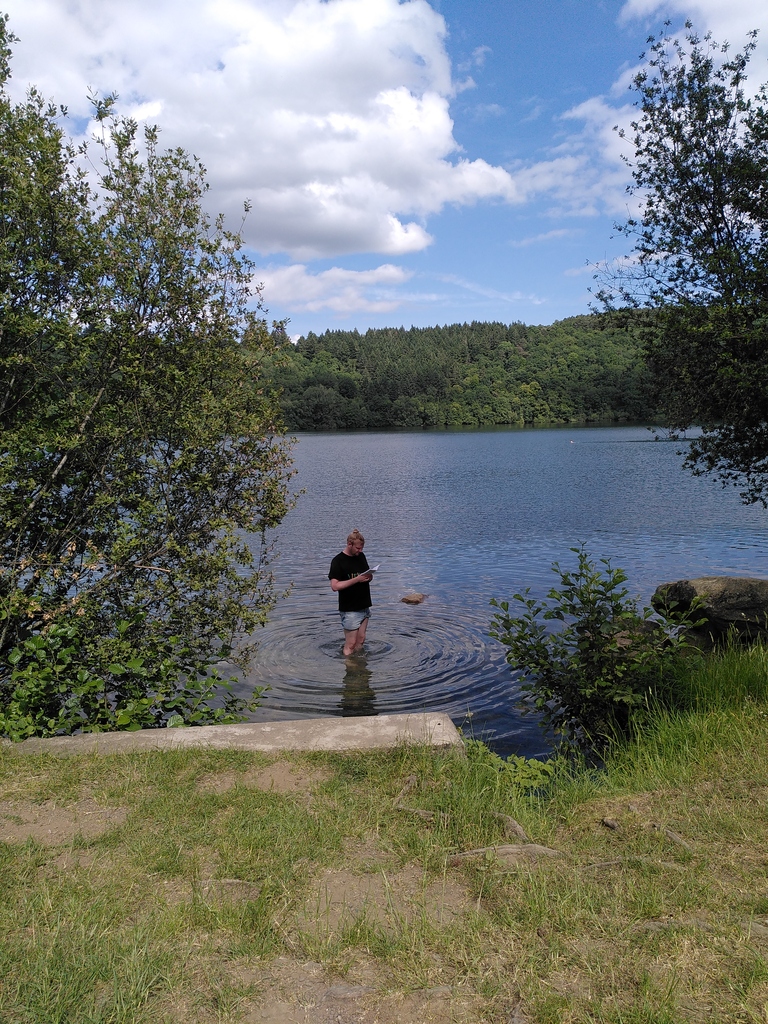
From May 22–24, our tour group was joined by the rest of the group in Manzat. Babette, Anja, and Martin arrived in the second car. In the meantime, we’ve had a chance to relax a bit and explore the area. The lakes and rivers, which were formed in a former volcanic region (including the Gour de Tazenat), are particularly fascinating. Here, we understand once again why the VULCA Network is called VULCA.
We also had the opportunity to meet another member of the Rousselet family, watch Alex work on the building, and meet a few of the people helping to shape the makerspace, such as Louic from Scotland.
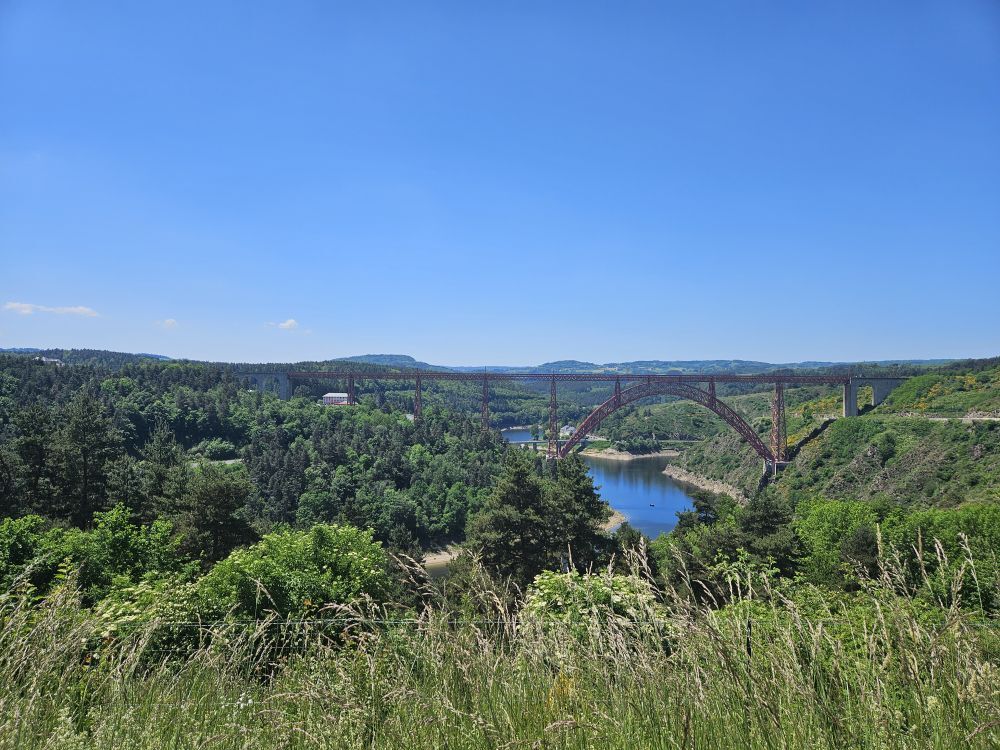
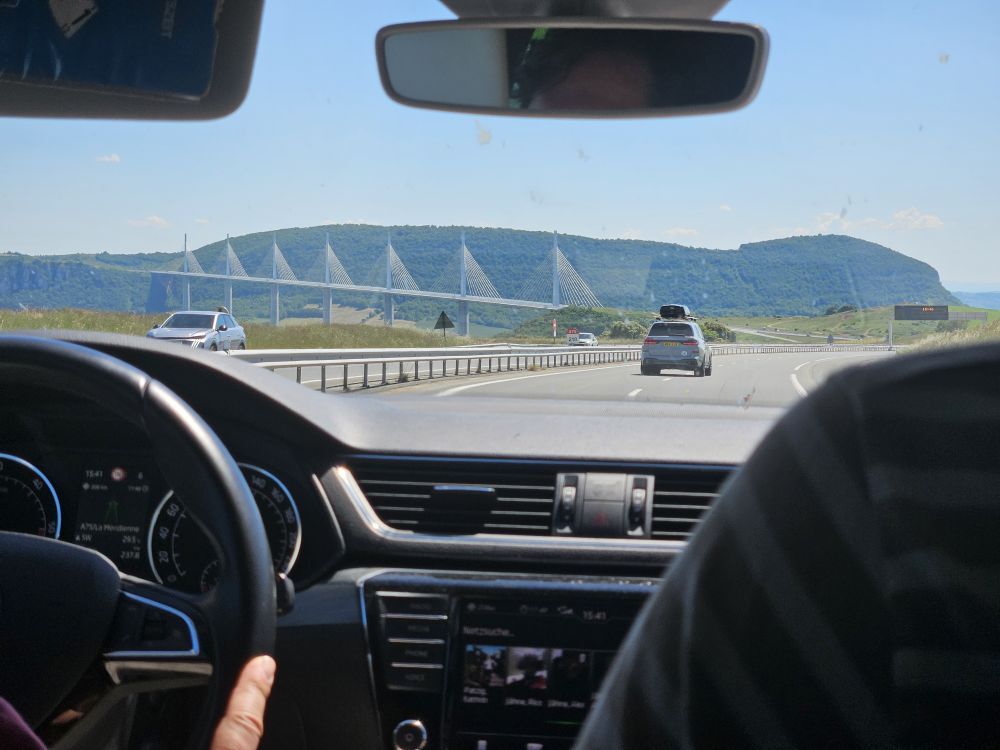
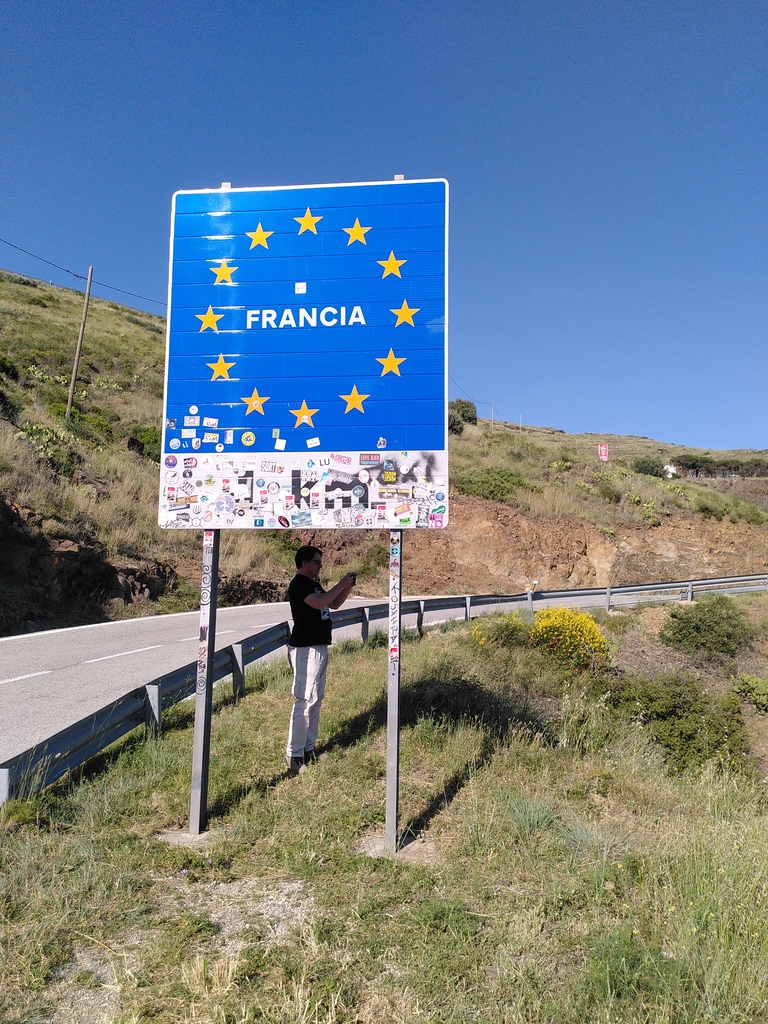
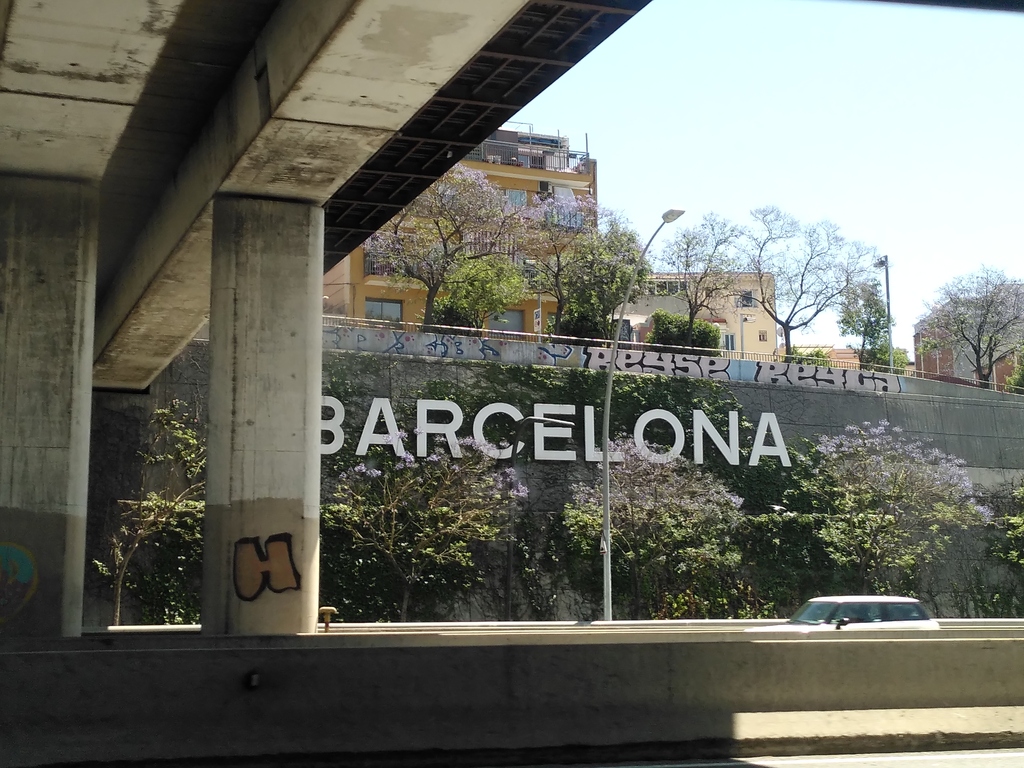
24.+25.05.2026 | Leucate, Barcelona and in-between
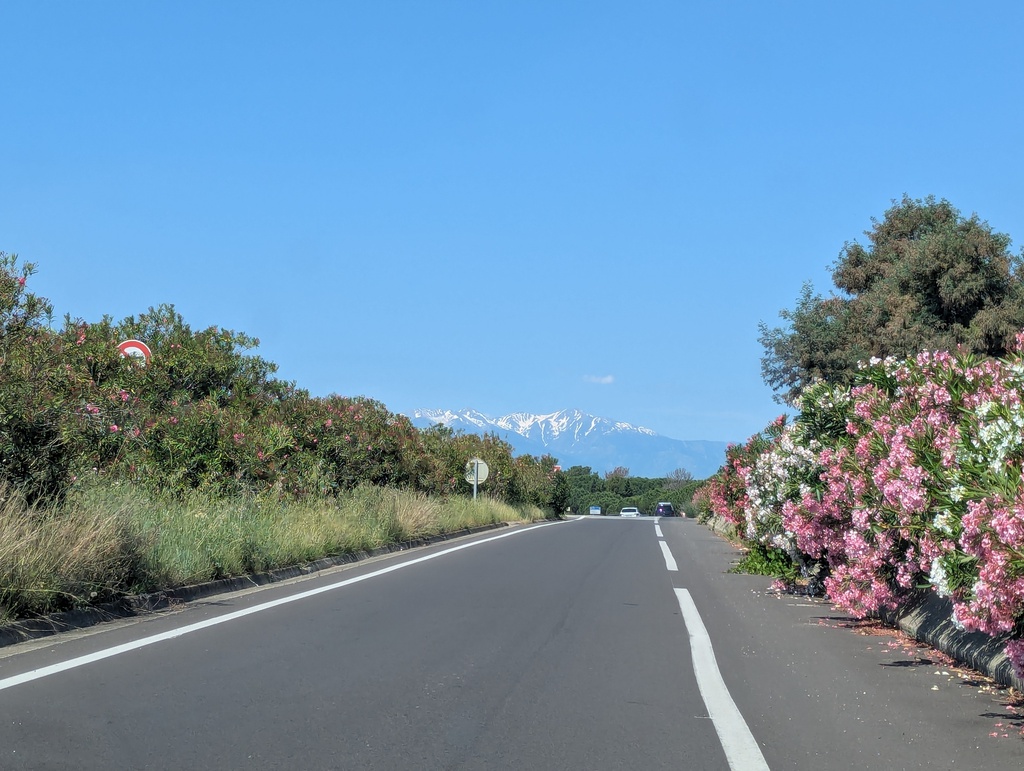
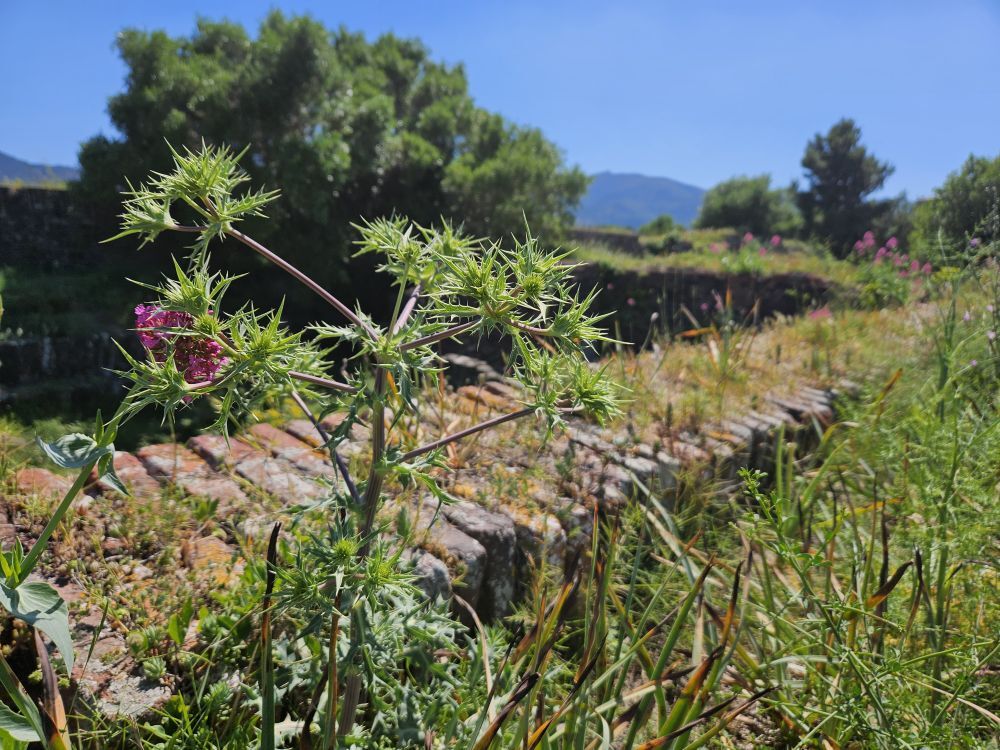
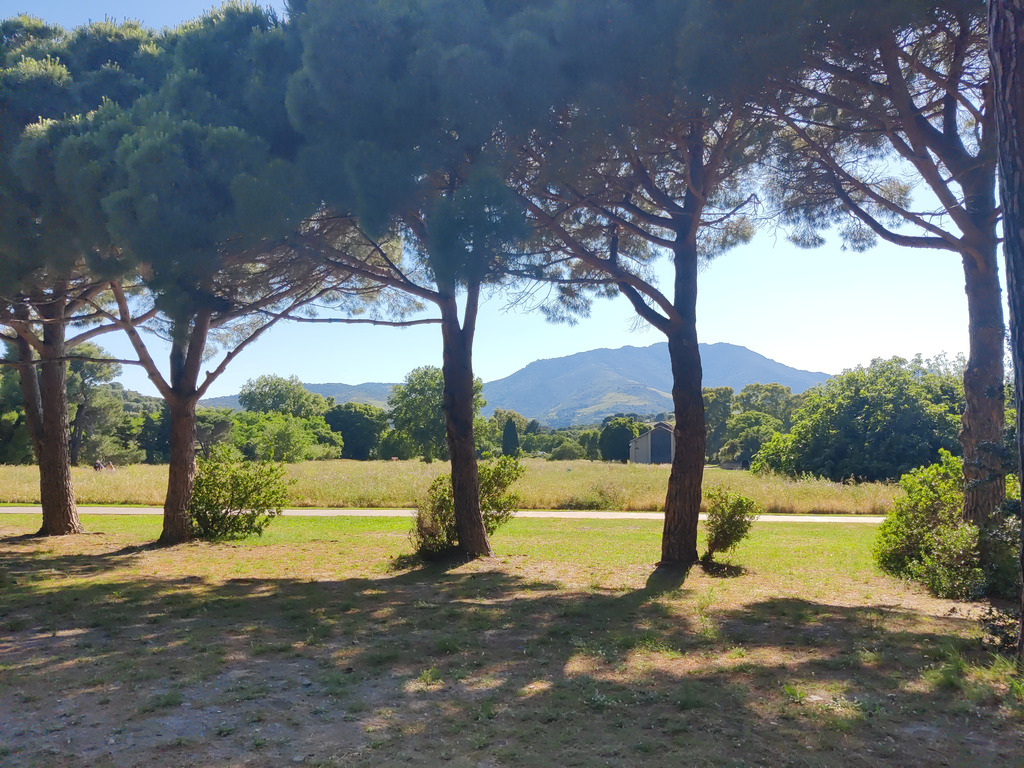
On the morning of May 24, we continue our journey. Next destination: Leucate. It’s a town right on the Mediterranean. We’re staying in a small, cramped, and much too warm camping apartment, from which we’ll head out to other places over the next few days (Fort de la Galline, Le Soler, Perpignan, …). So we spend another long day in the car, driving several hundred kilometers. We also pick up Kati along the way, who arrived later by plane to Barcelona for work. The route from Leucate is about 200 km, and it was the most feasible option for us.
25.05.2026 | Fort de la Galline // Port-Vendres
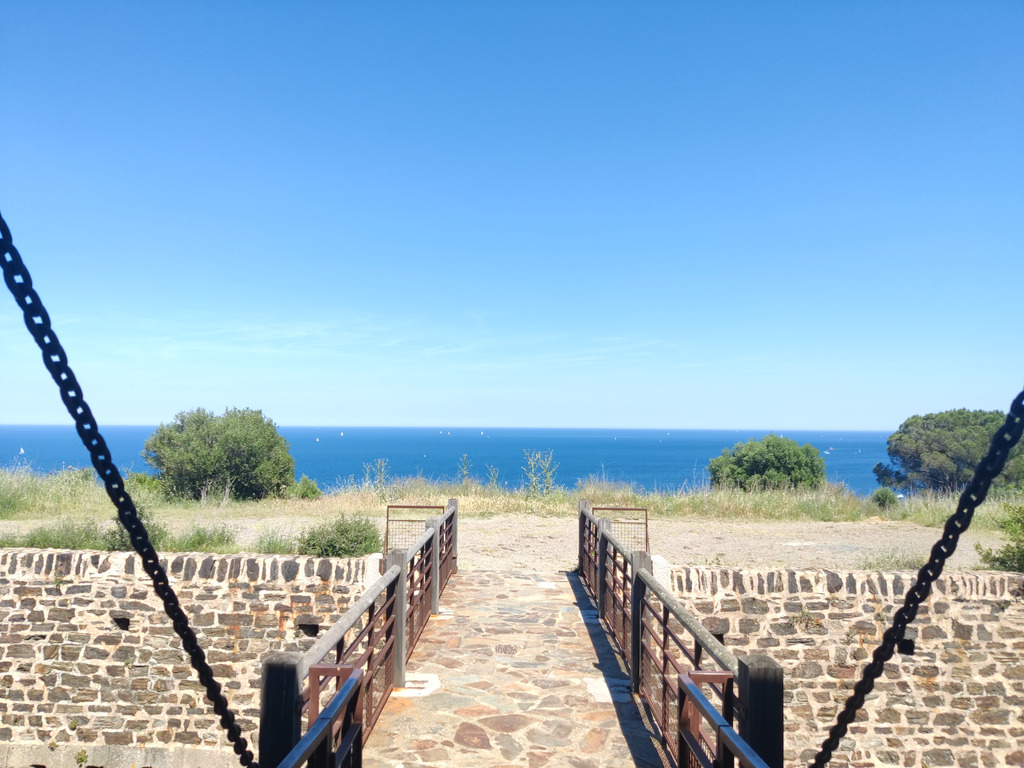
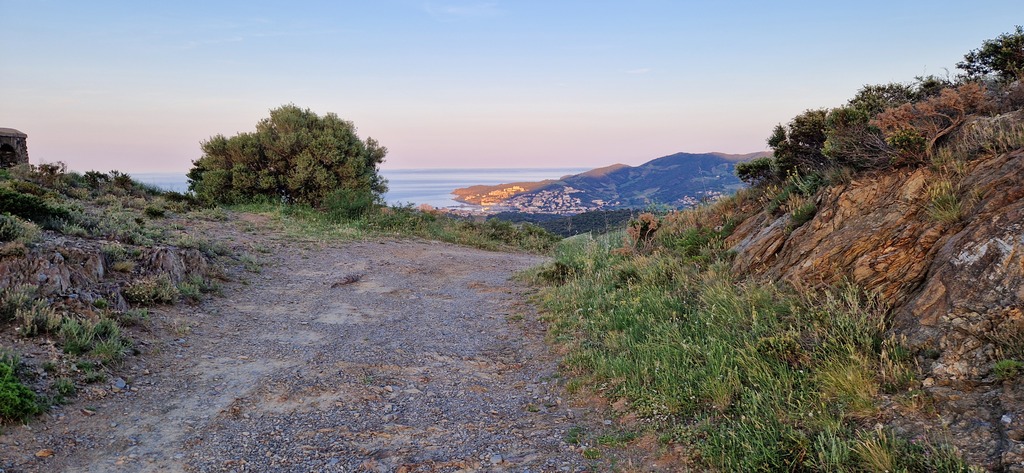
Our first scheduled activity for the day is a visit to Fort de la Galline. Our tour guide for this is Romain Llapasset from La Cyber Fabrique in La Soler, who will pick us up in Port-Vendres. We already know him from our trip last year. He’s chosen this special place for us, which we’ll visit together. We drive up a fairly long, rocky road with a great deal of caution and sweaty brows (knowing that we’ll have to go back down the same trail later—ouch!).
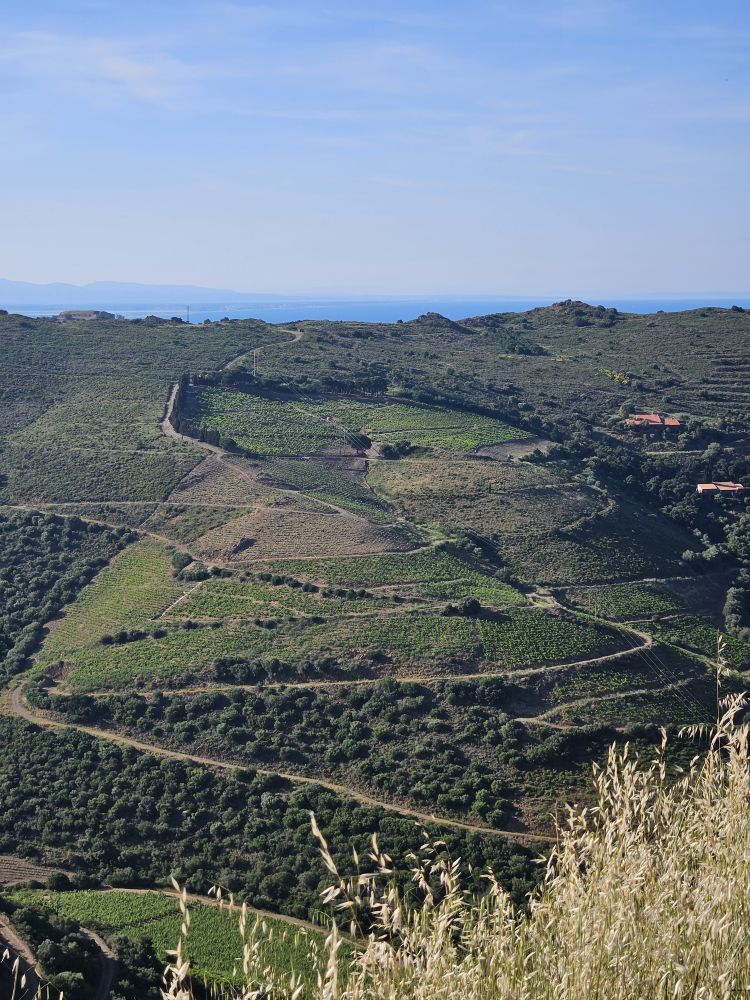
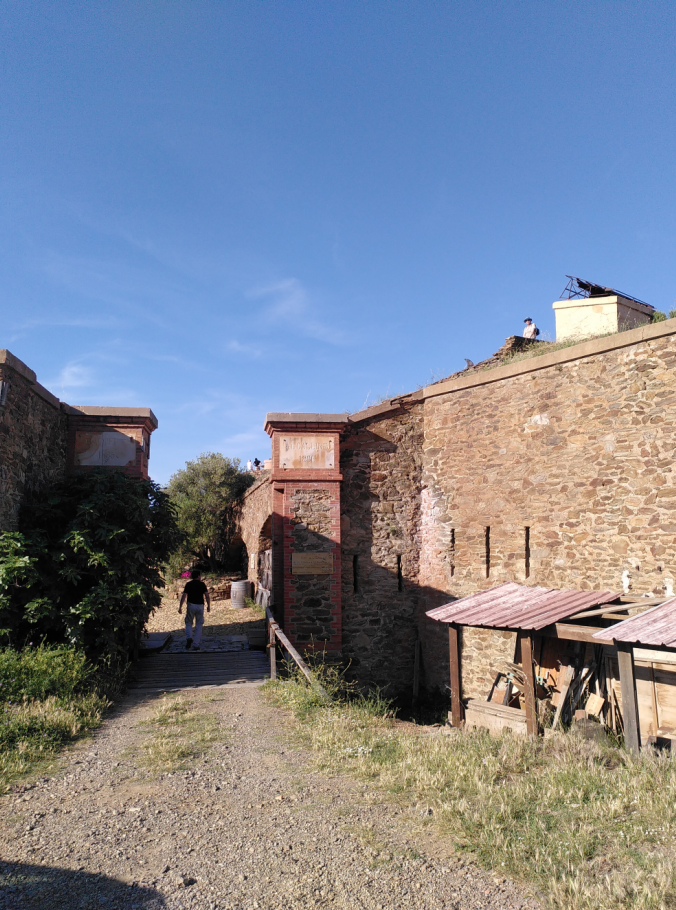
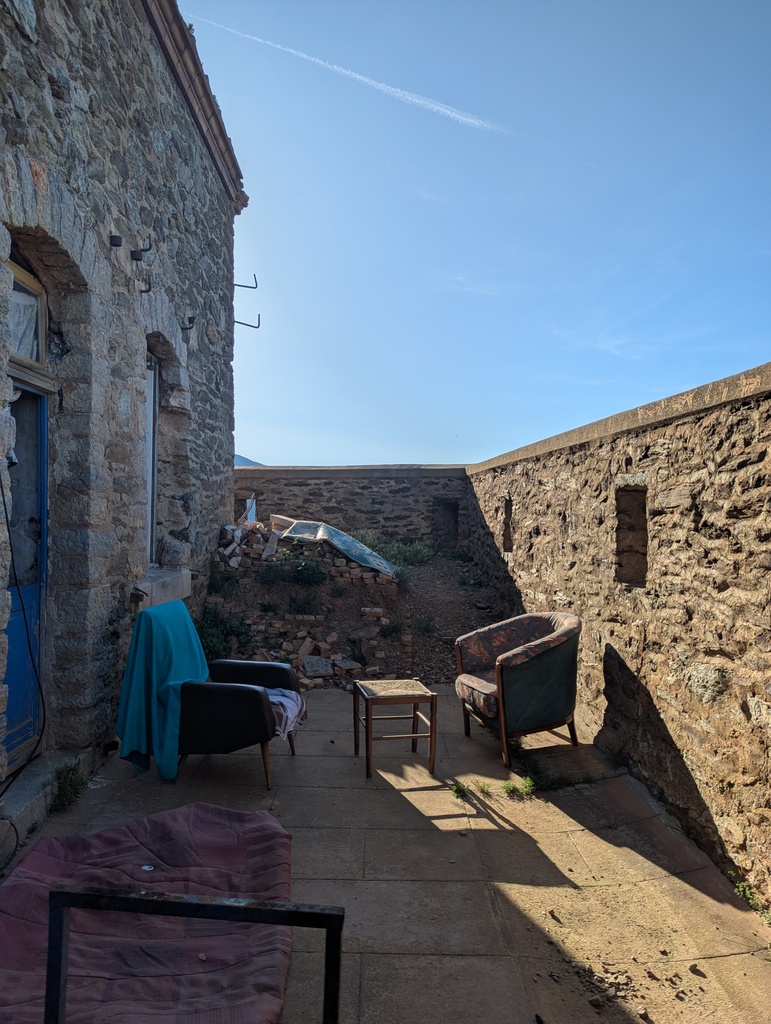
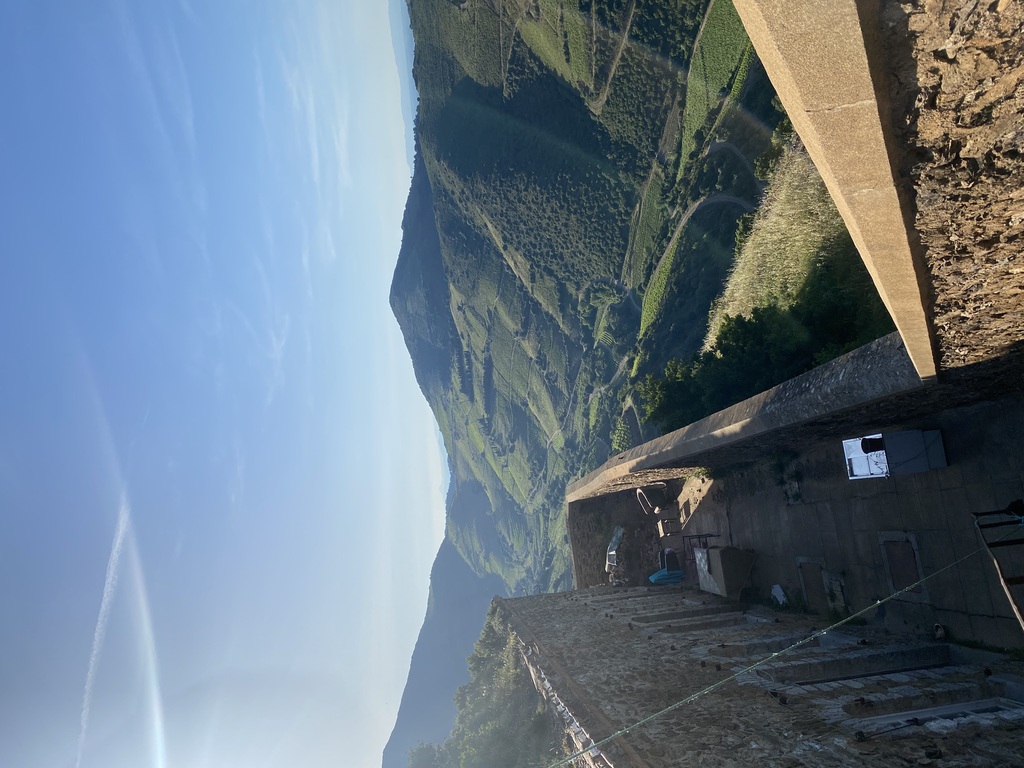
The Fort de la Galline was built in the 19th century as part of military efforts to protect the harbor, industry, and a dynamite factory, at a time when the region’s residents were also enduring a severe, multi-year crisis in viticulture (phylloxera). The fort was just one of many built in the region, and they ultimately have a striking impact on the landscape.
Over the decades, the fort fell into obscurity and was buried under dust and dirt. In 2014, the town of Port-Vendres transferred the property for a symbolic one euro to an association that was entrusted with its restoration and reuse.
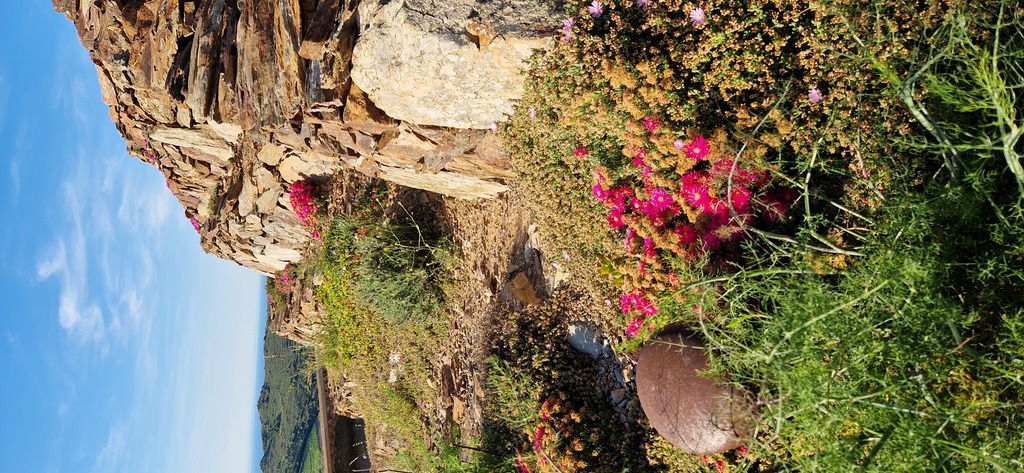
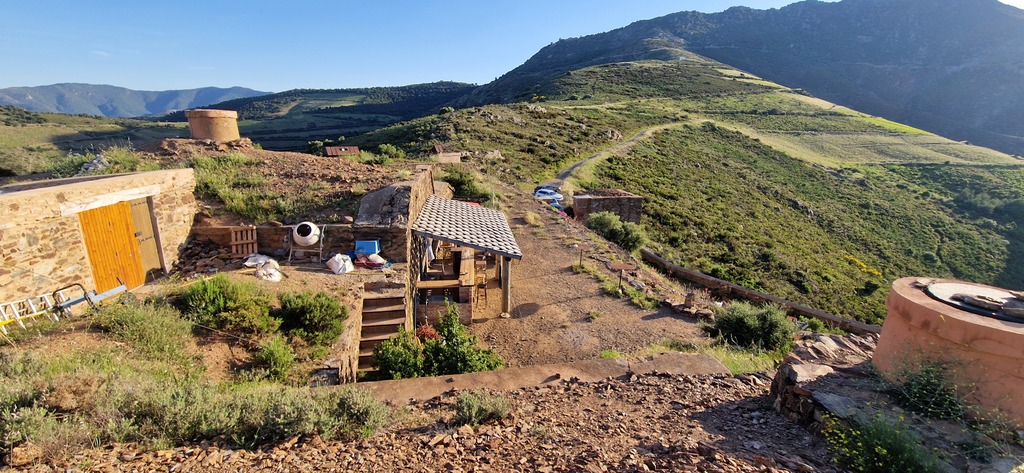
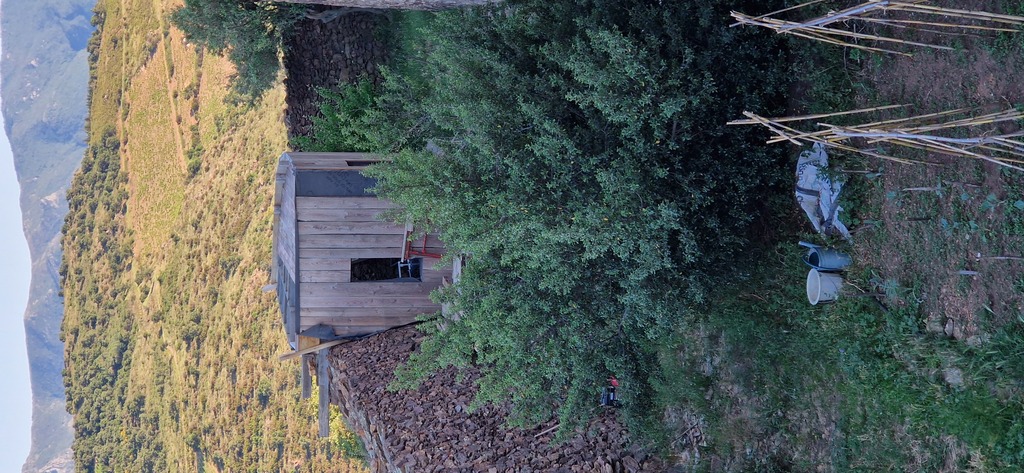
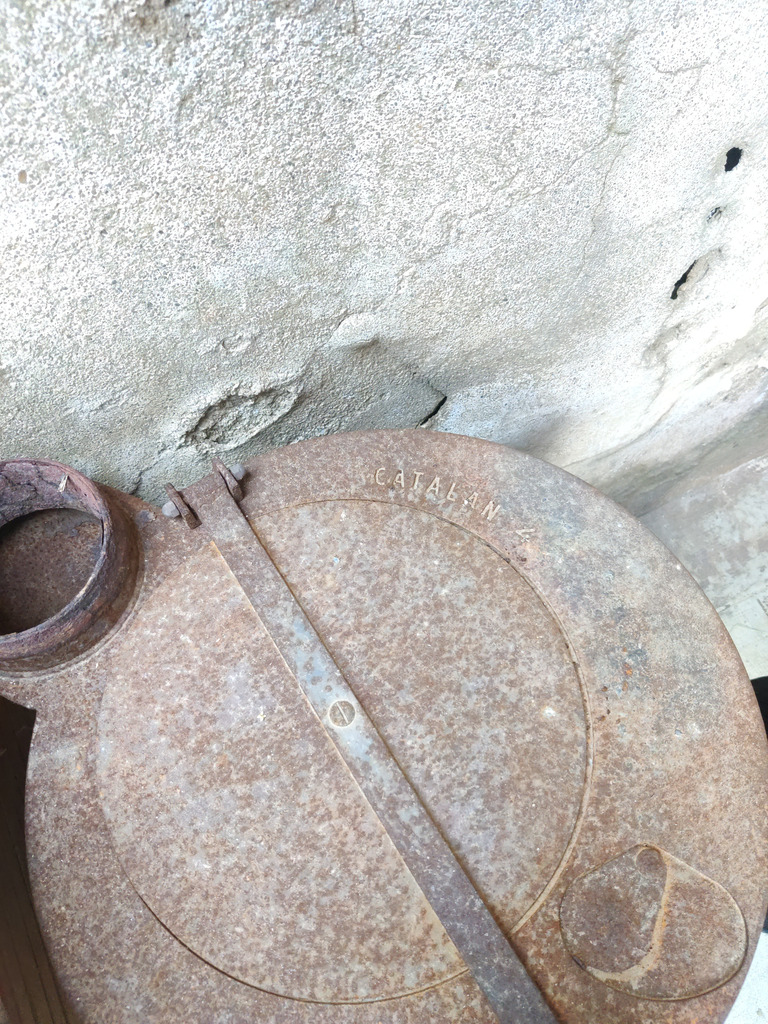
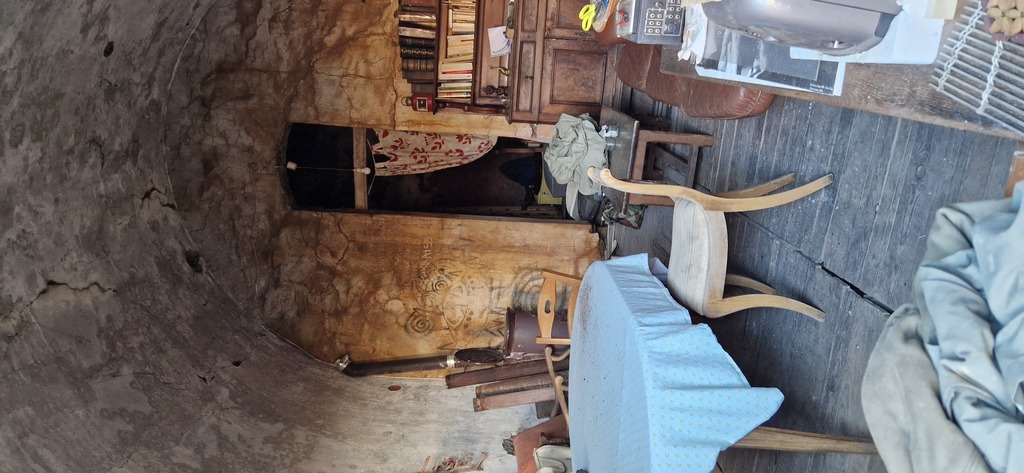
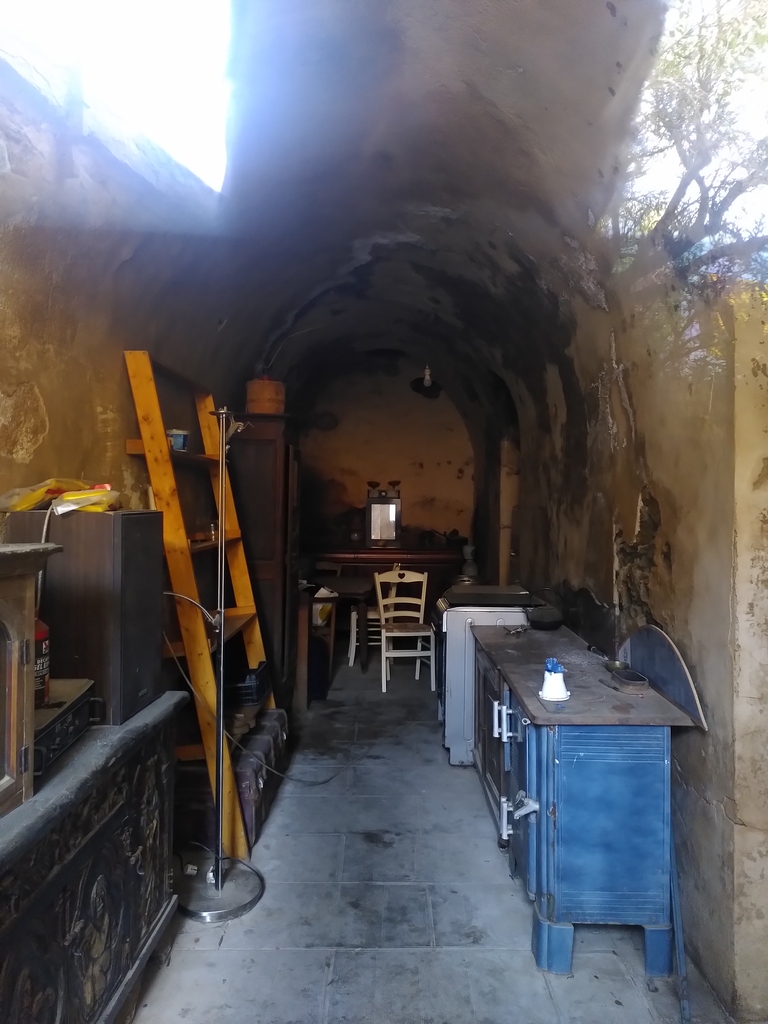
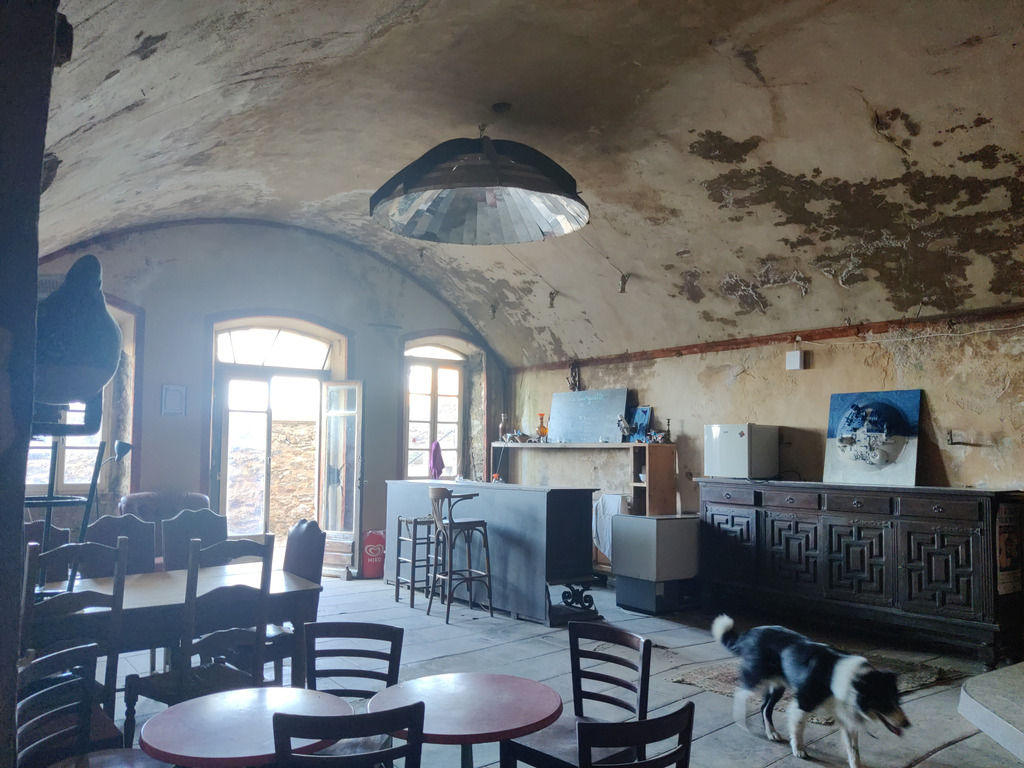
A lot has happened here since then: The site has been cleared of rubble and dust, and rooms have been dug out and restored. Old walls, bridges, and railings have been repaired, and furniture and simple tools have been brought up here. Managing the place is very difficult, as there are no conventional utilities: electricity, water, and the internet are luxuries. Life up here is hard and reduced to the basics, yet it’s close to nature and offers the potential for bliss for those seeking to escape the rat race. Few can last long up here, but there’s always a small group stationed here, making a difference.
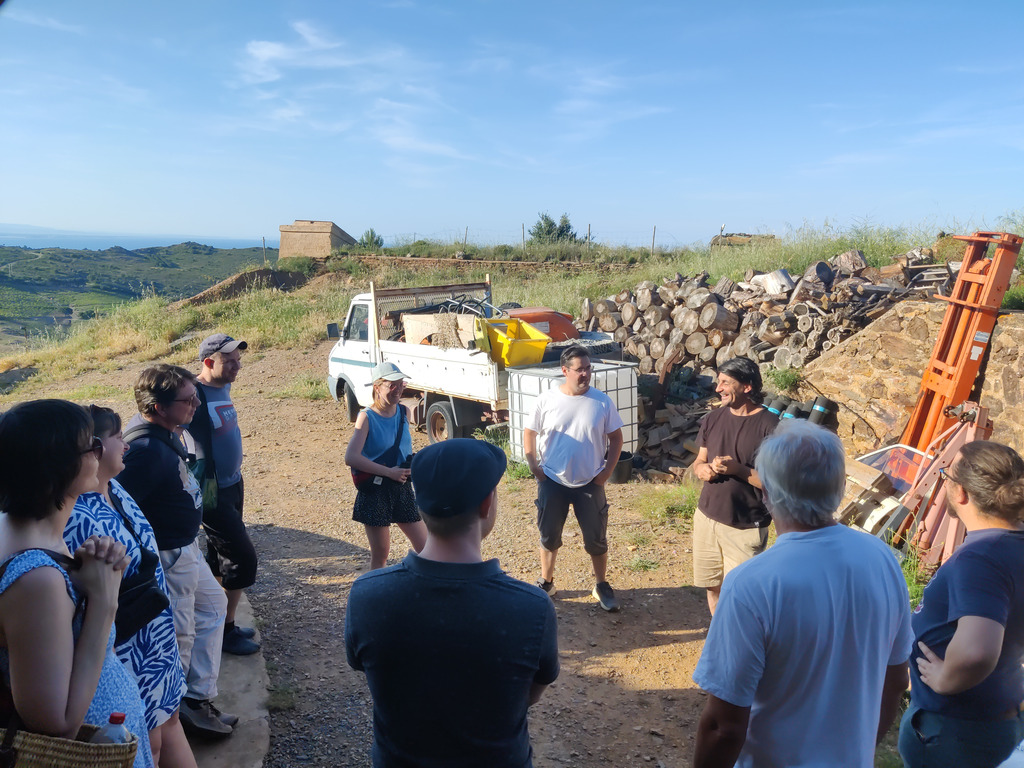
Our group was given a thorough tour of the fort, and we were able to explore (maybe) most of it. It was a welcome change from our usual daily routine, because only low-tech methods are used here—that is, proven and efficient methods for extracting or utilizing scarce resources.
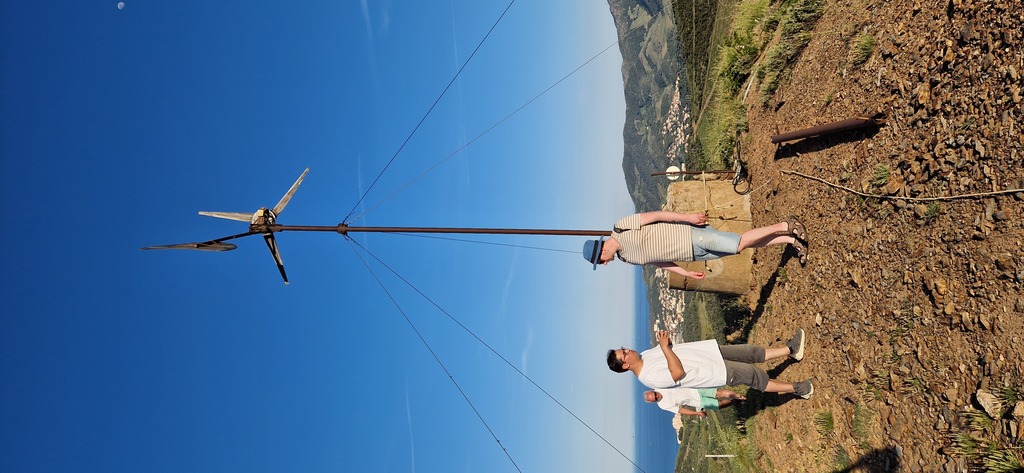
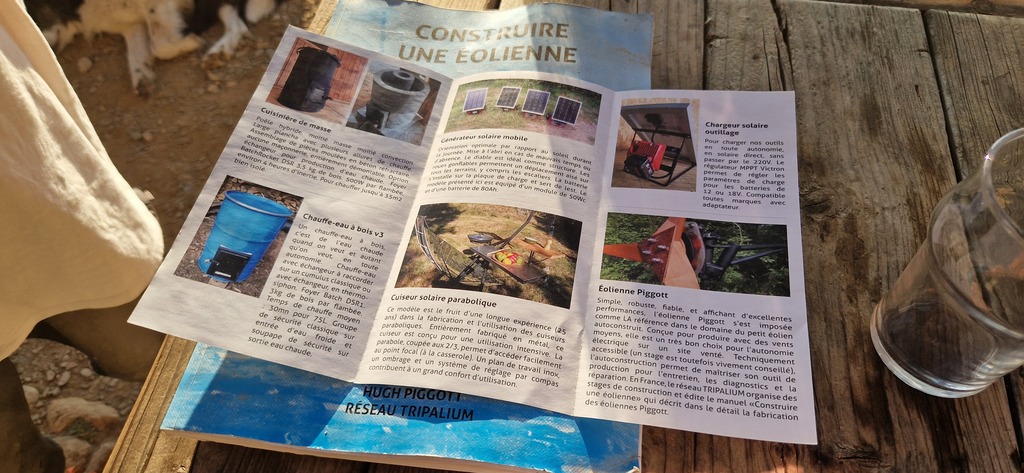
Most of the electricity comes from a homemade wind turbine and a solar power system (long-standing projects supported by La Cyber Fabrique). The electricity is used only for essentials, such as lighting, pumps, or a freezer. Internet and phone service are available via mobile data, if at all. By the way, music festivals are sometimes held up here, too!
The water comes exclusively from rainwater collected in a large cistern. This cistern also had to be completely dug out because it had been buried. Manual labor is a daily necessity up here. Since it can go as long as six months without a drop of rain in the summer and the region is also threatened by wildfires, the crops grown here are mainly hardy and water-efficient plants (various herbs).
Up here, people experiment with many things that use wind and sunlight, such as cooking devices with parabolic mirrors that focus and concentrate sunlight onto a single point. On a sunny day, the heat generated in the pre-assembled kettle is enough to roast nuts or cook soup, for example.
We were still able to enjoy the evening at the fort: there was local beer and snacks, a sunset, and a great conversation with other representatives from La Cyber Fabrique, such as Kevin and Patrice.
26.05.2026 | Stop 1 - La Ferme à la Plage Torreilles // Torreilles
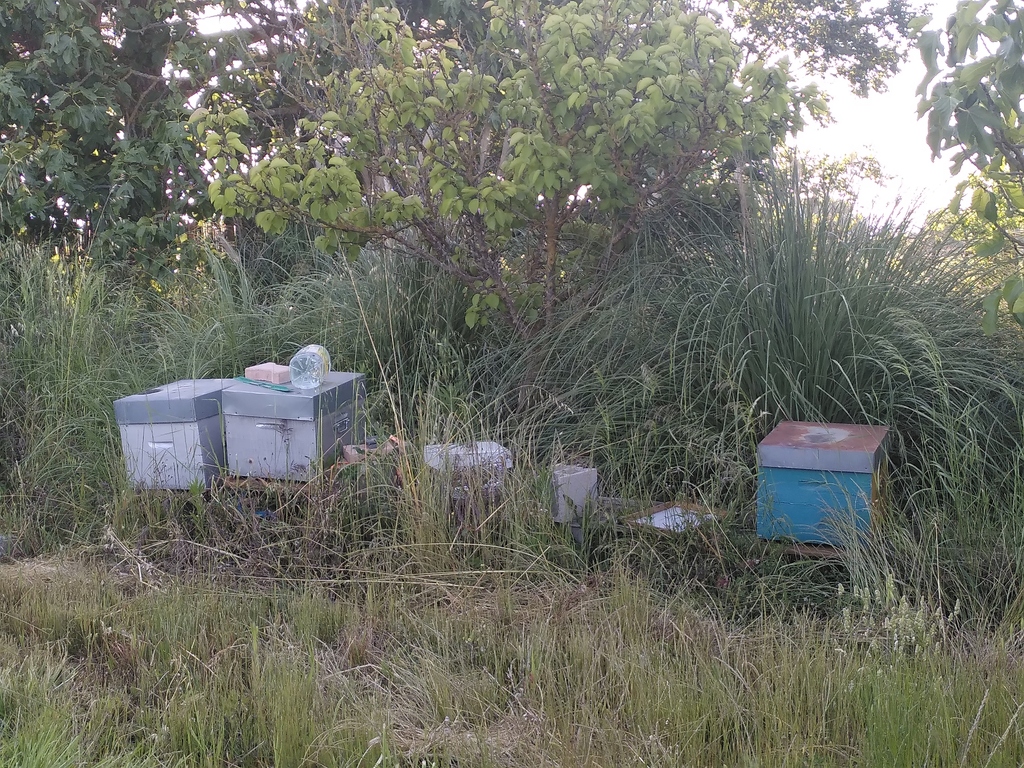
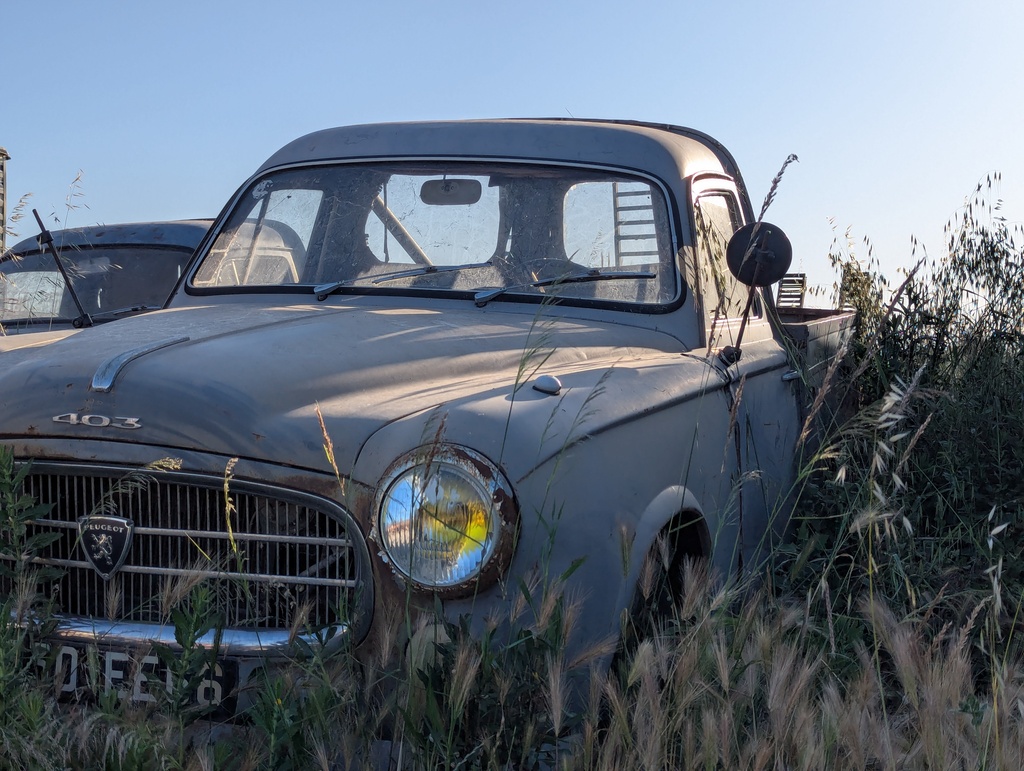
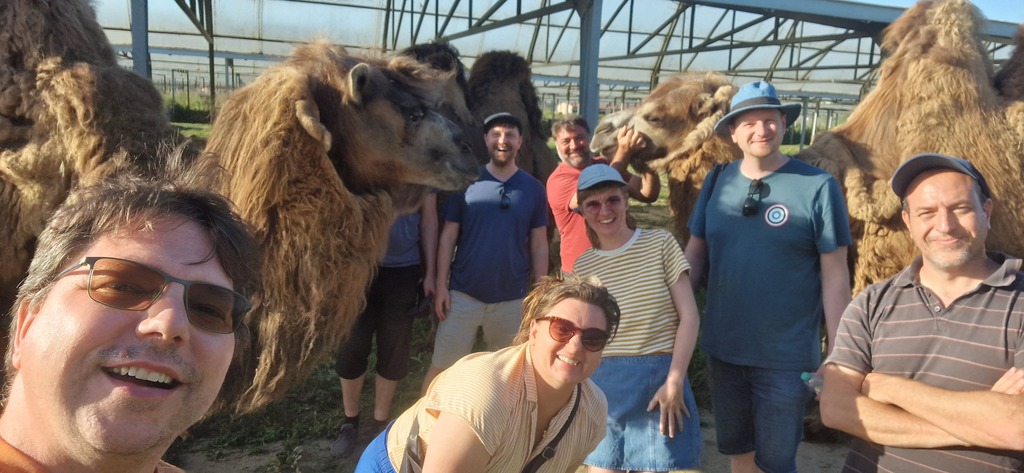
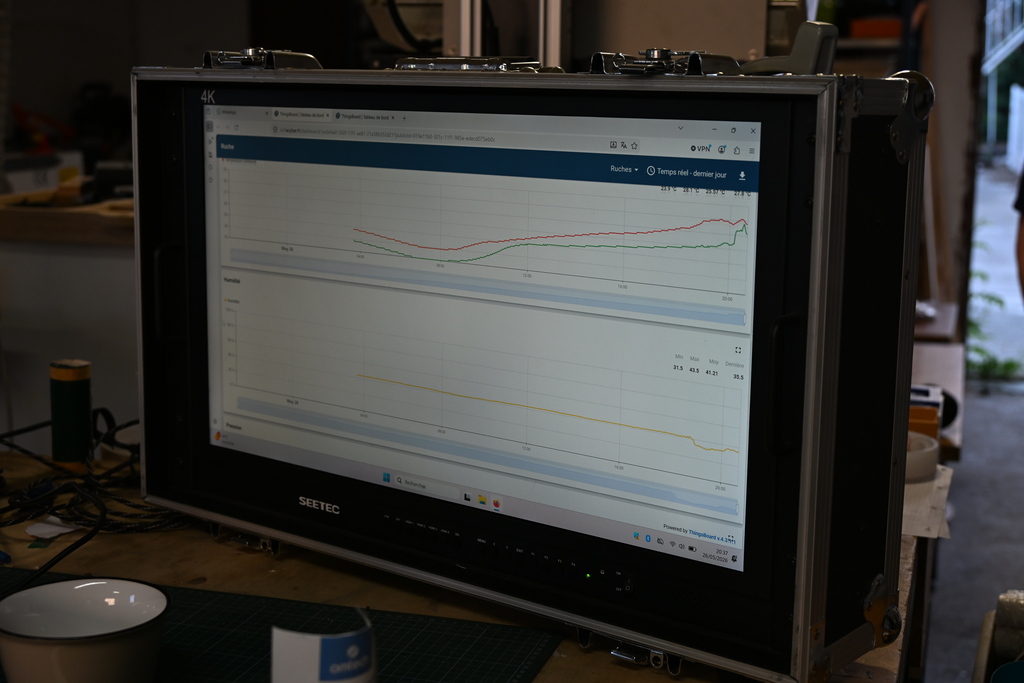
Right out in the field stands something both fascinating and rather unassuming: beehives equipped with temperature sensors and LoRaWAN connectivity. An energy-efficient, weather-protected controller sends sensor data at regular intervals via the equally energy-efficient wireless connection to a central monitoring system. The goal: stable beekeeping with healthy bees. More and more bee colonies are failing to survive these days, partly due to infestations by the Japanese hornet, which is not native to France. This monitoring, as well as efforts such as developing traps for the hornet and other pests, are part of the Alterra research project, which examines many other aspects of agriculture.
Providing good conditions and defense mechanisms is therefore essential. But since Patrice isn't an IT technician, he received the necessary help from the club.
The overarching goal: to save time and use it more effectively elsewhere. With so many fields and plots of land, Patrice can’t attend to everything at once, but he must react quickly: weather and harvest conditions demand a high degree of flexibility and responsiveness. Sensors installed at various locations give him a better overview, allowing him to decide more quickly where, when, and how to respond as needed.
26.05.2026 | Stop 2 - La Cyber Fabrique // Le Soler
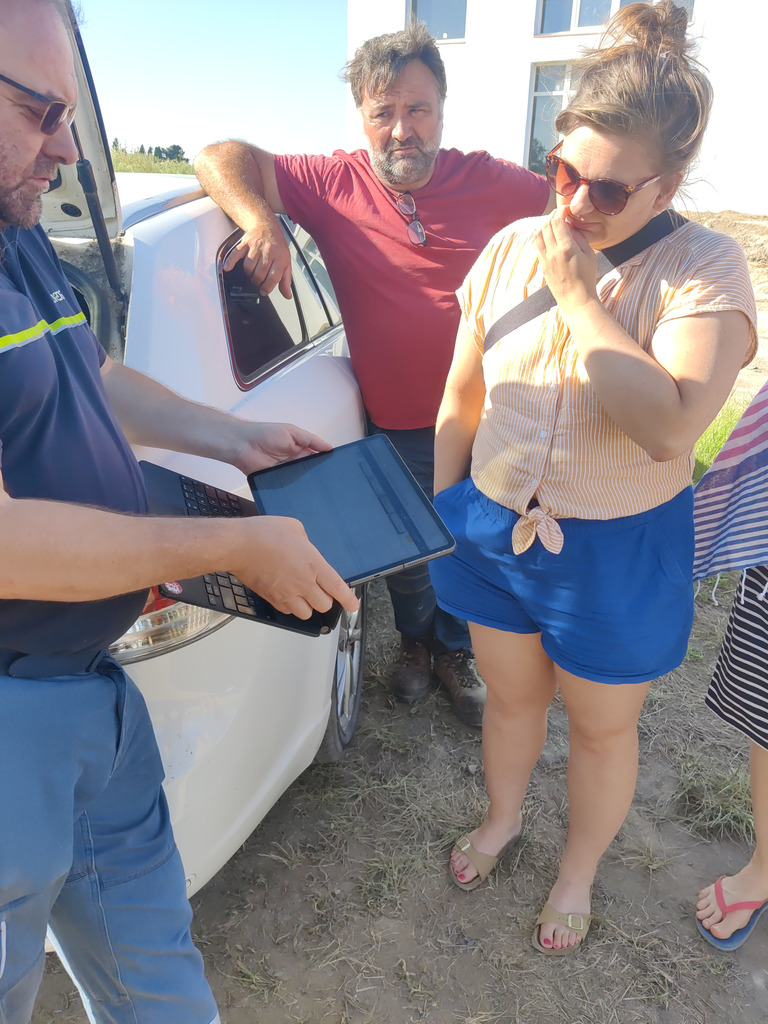
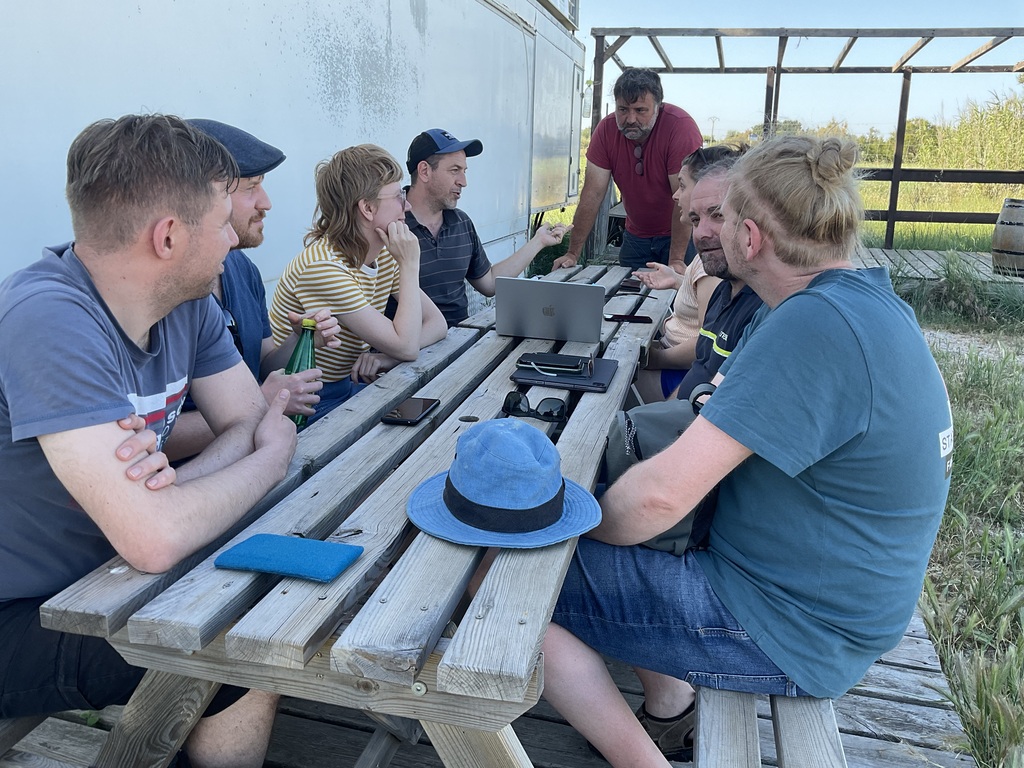
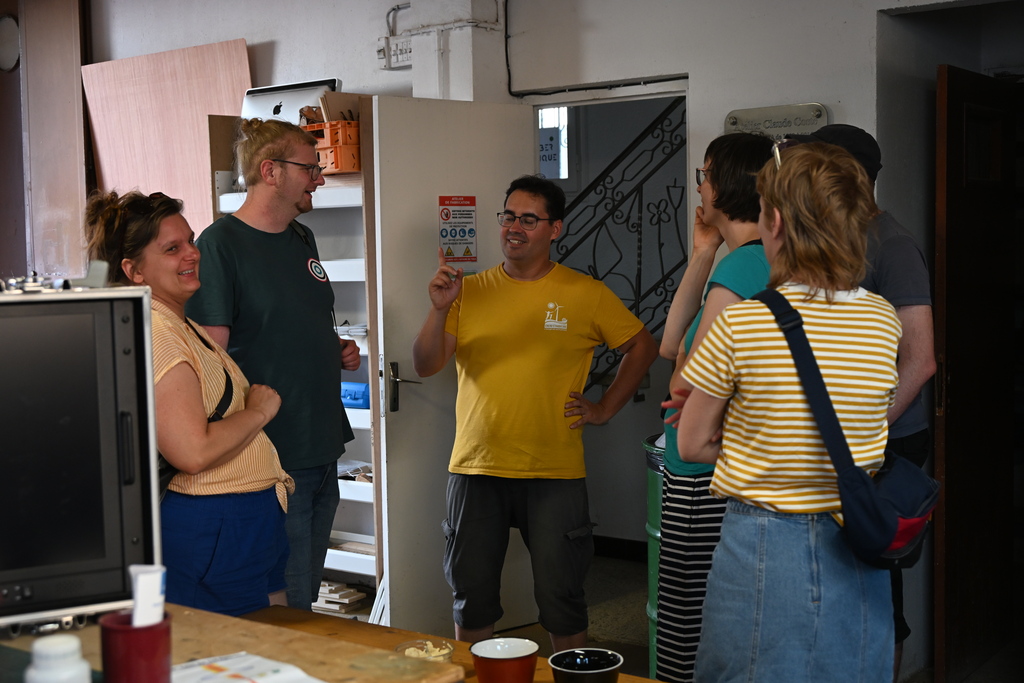
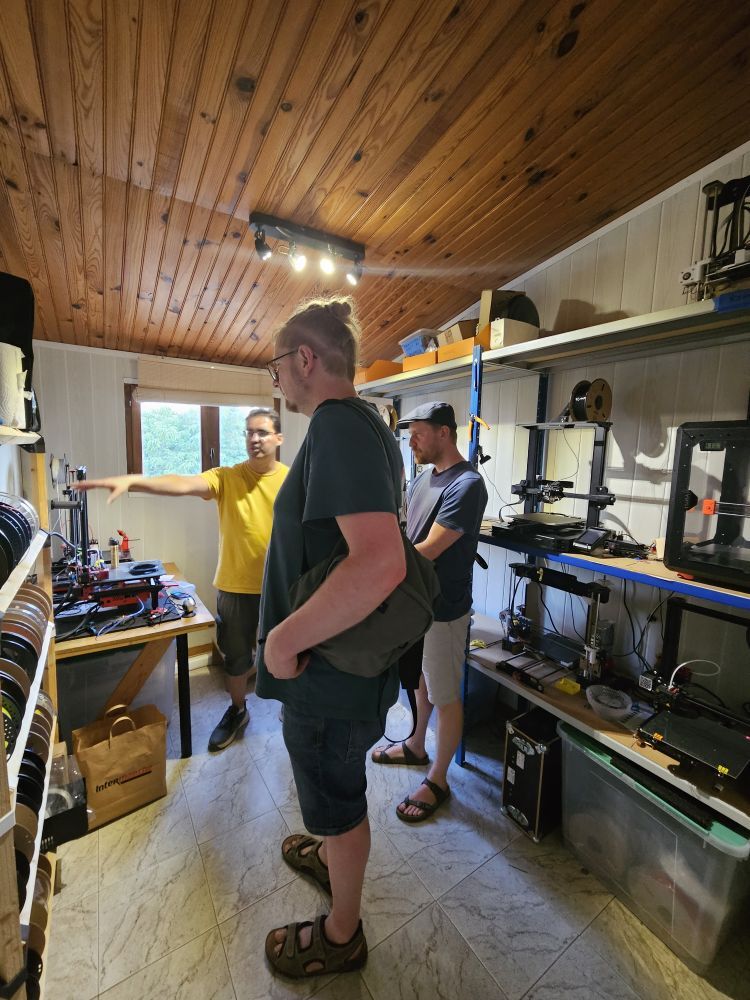
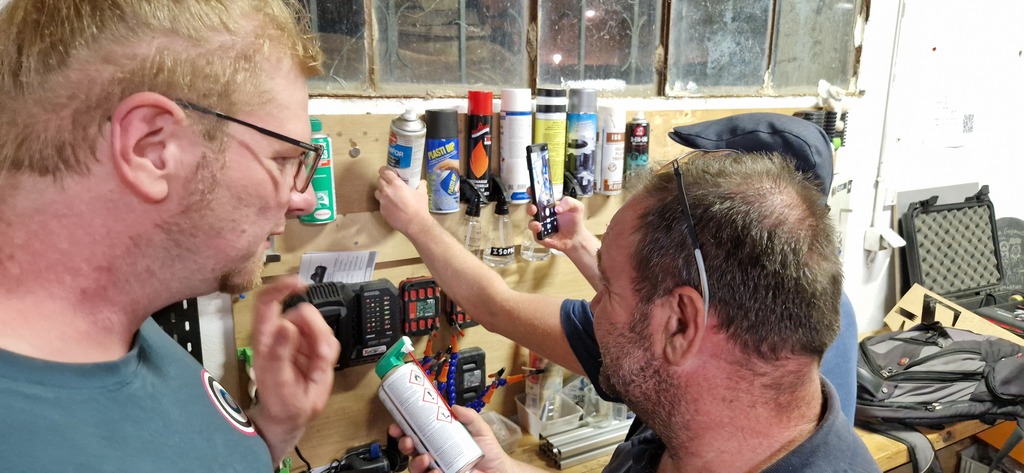
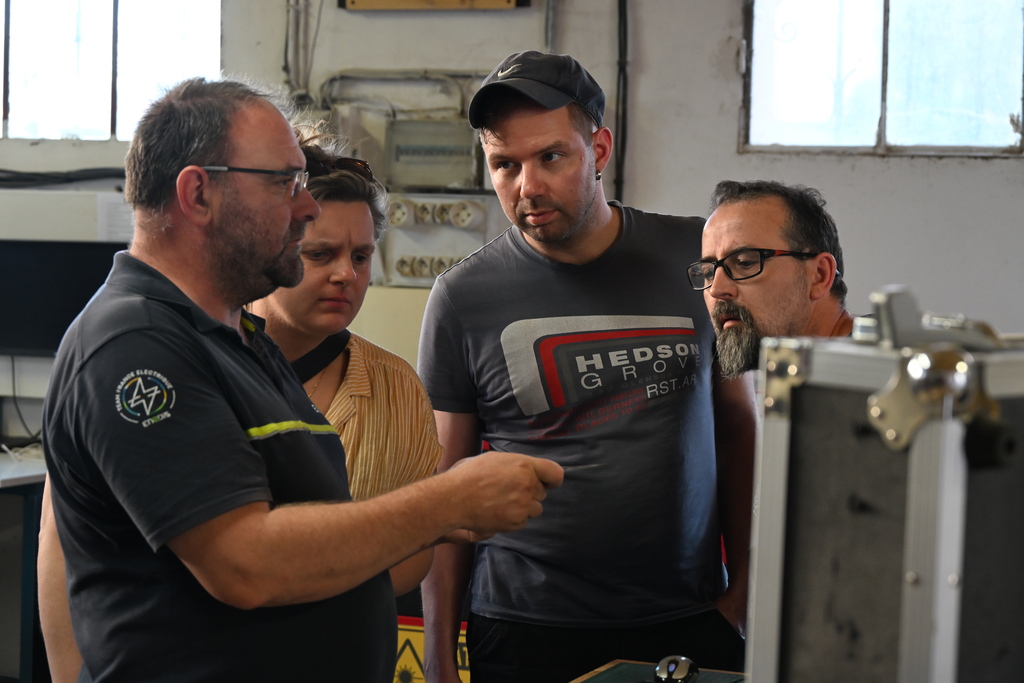
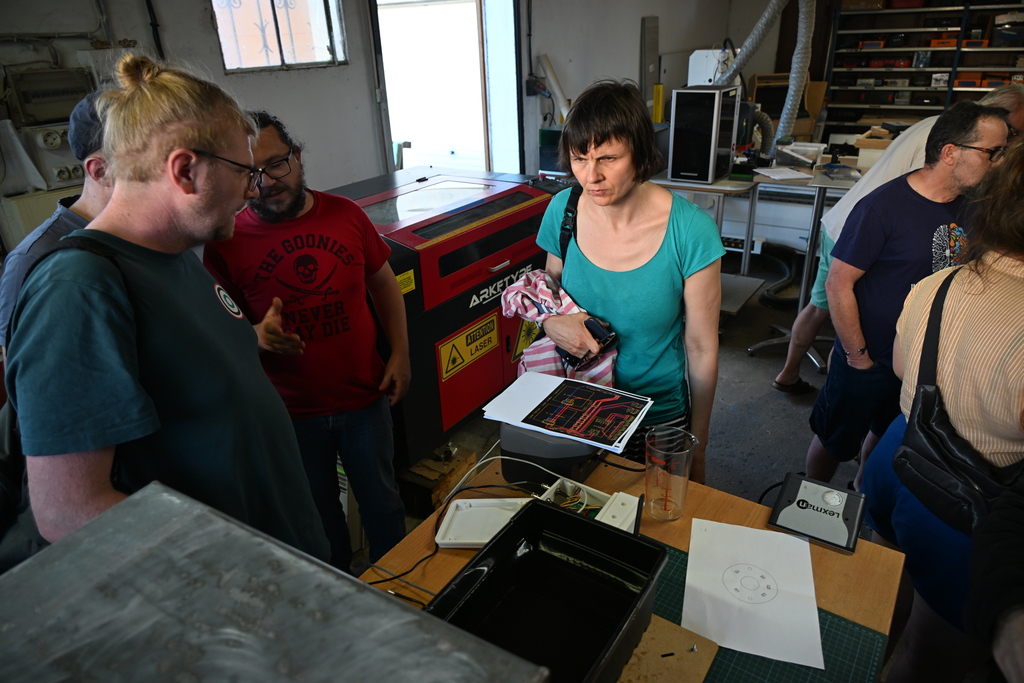
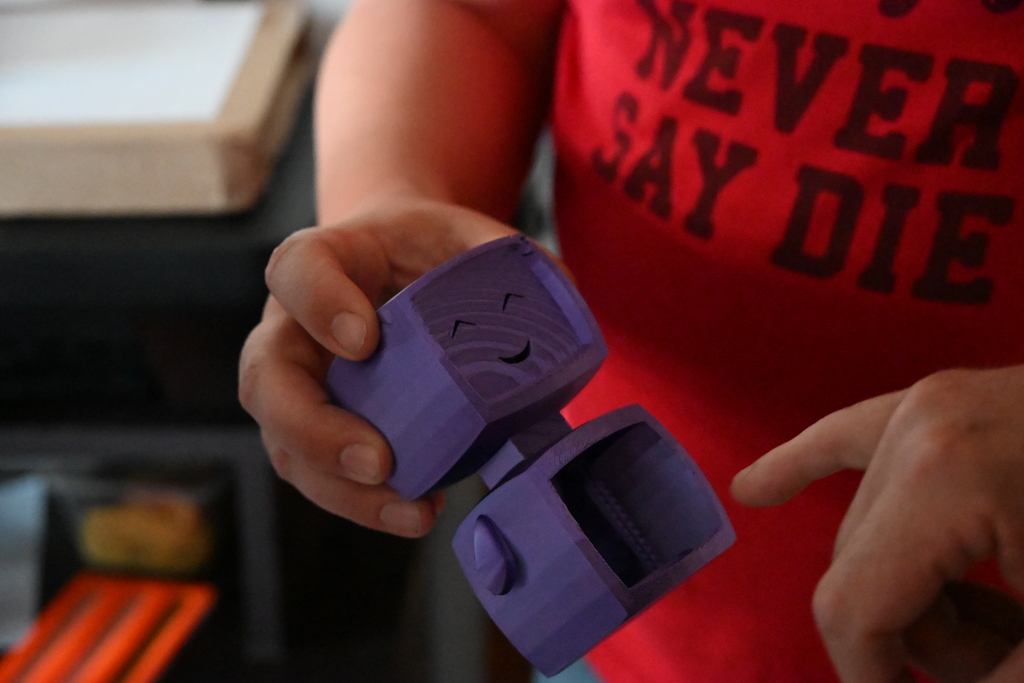
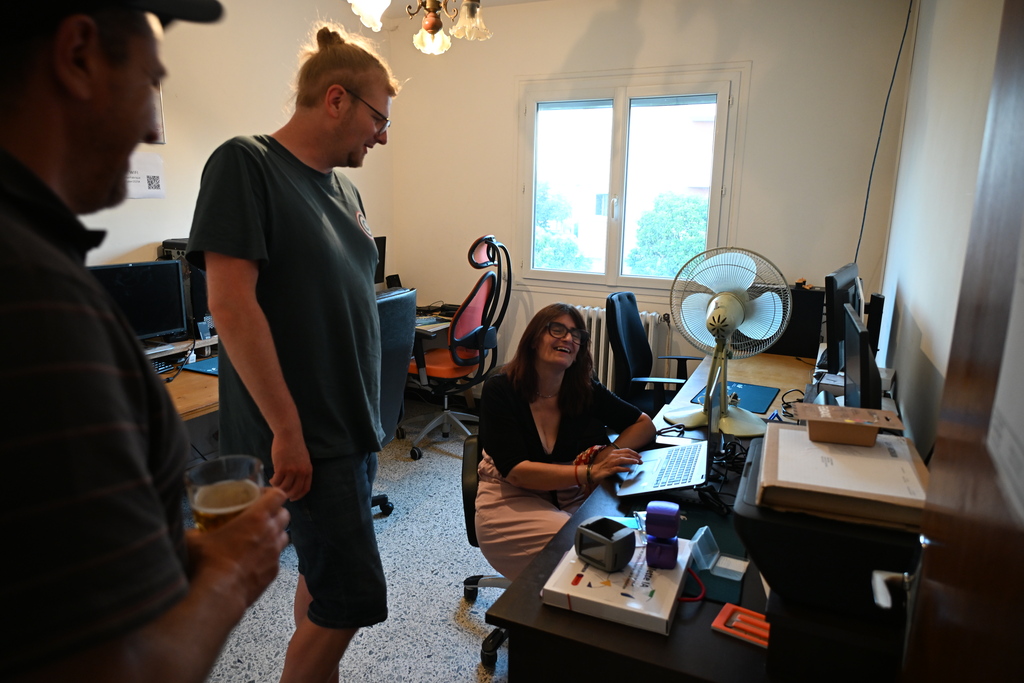
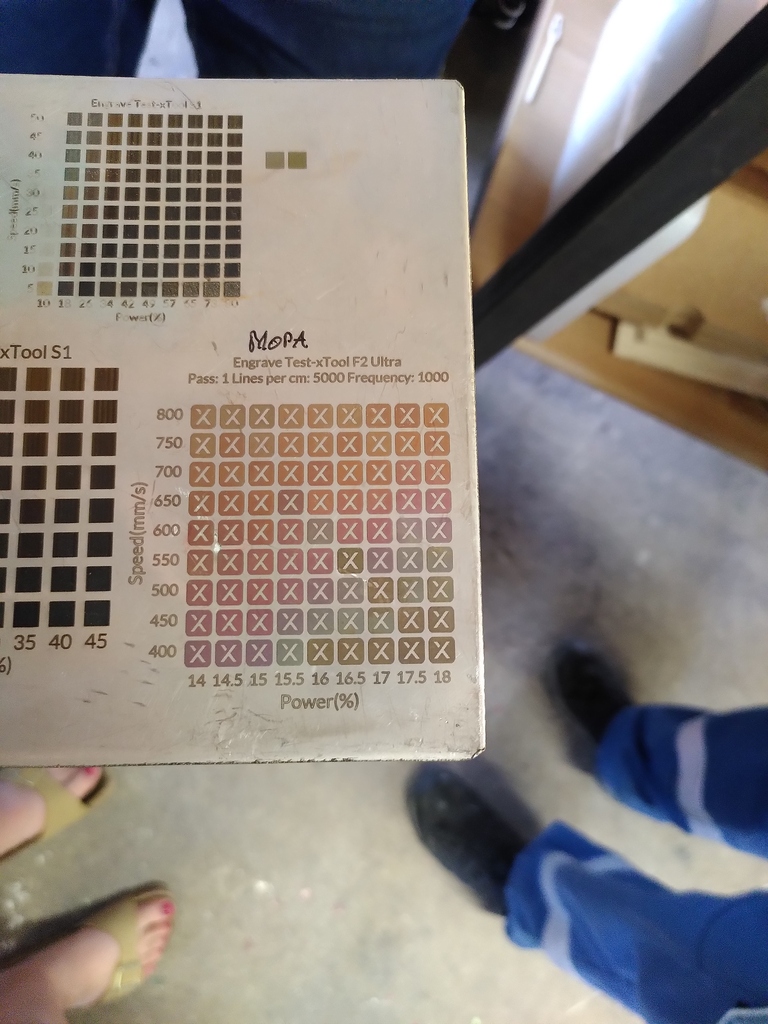
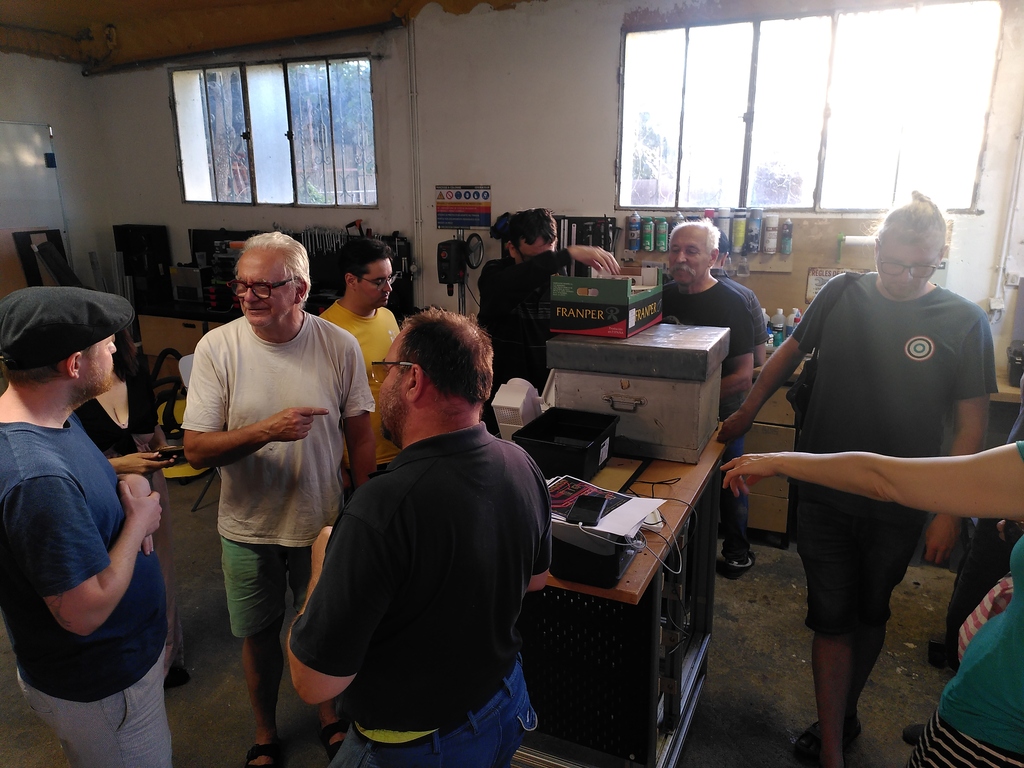
A highlight of our trip to France was the visit to La Cyber Fabrique itself. It’s located in Le Soler, a town with a population of about 8,000. The LCF is housed in a two-story building with a wraparound porch. The upper floor houses the common areas, such as the kitchen, meeting room, offices, electronics workshop, and 3D printing room. The ground floor is where the rough-and-tumble, noisy activities take place: the woodworking and metalworking areas, lasers, and so on.
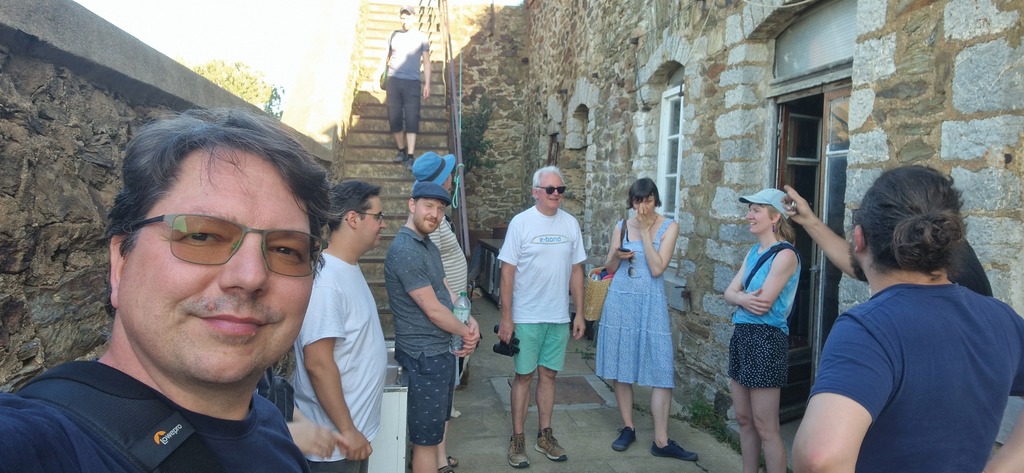
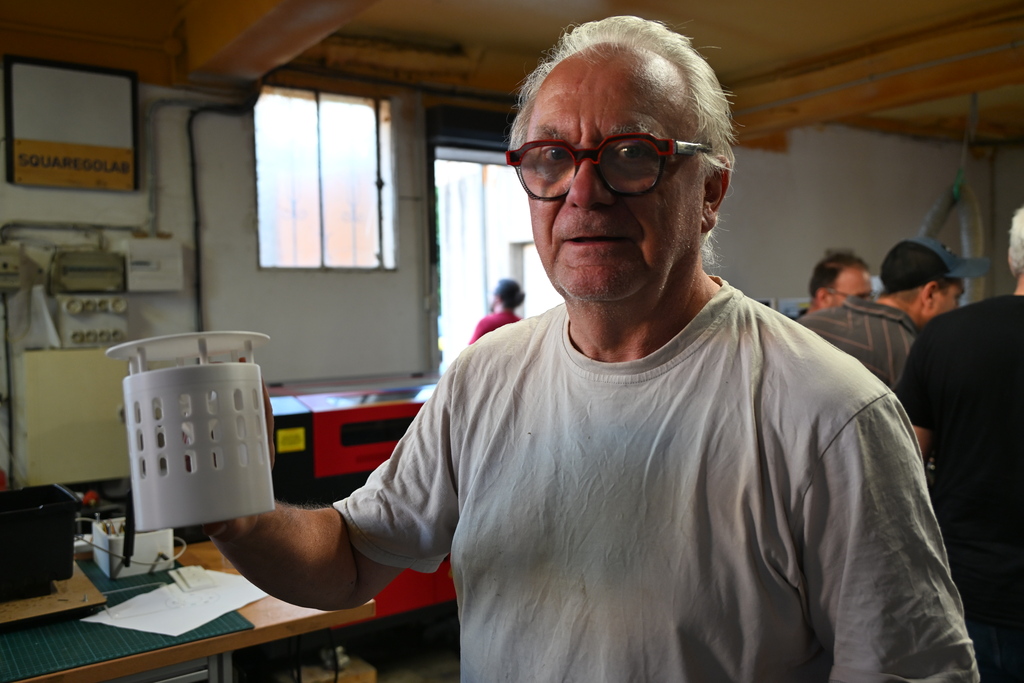
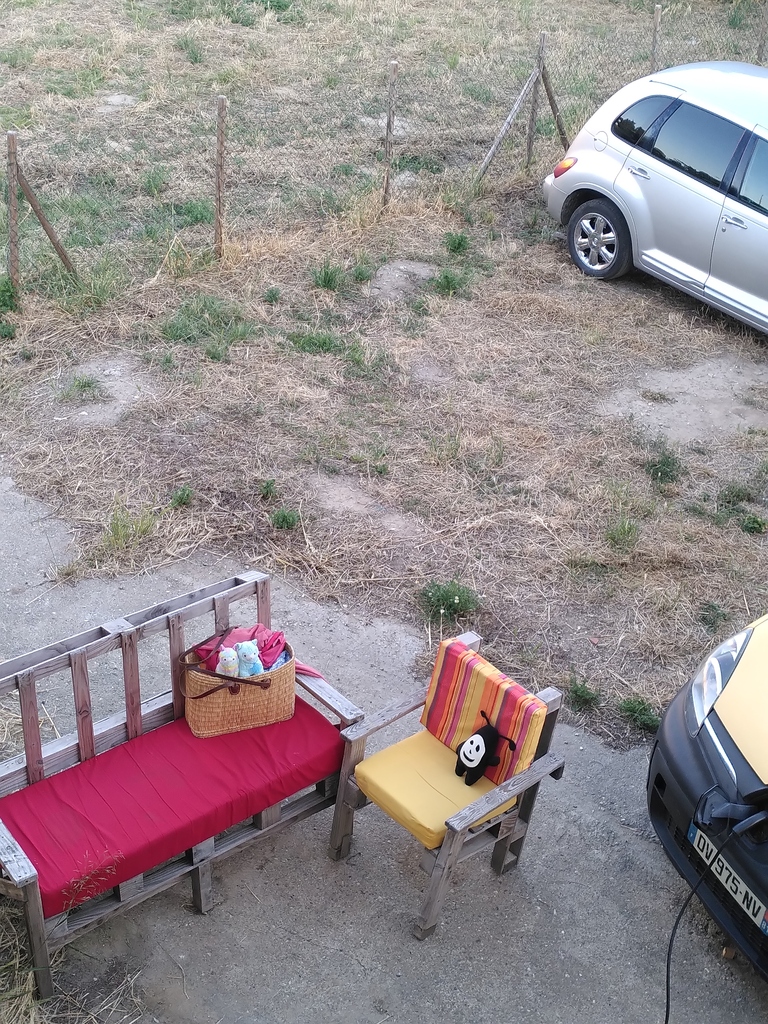
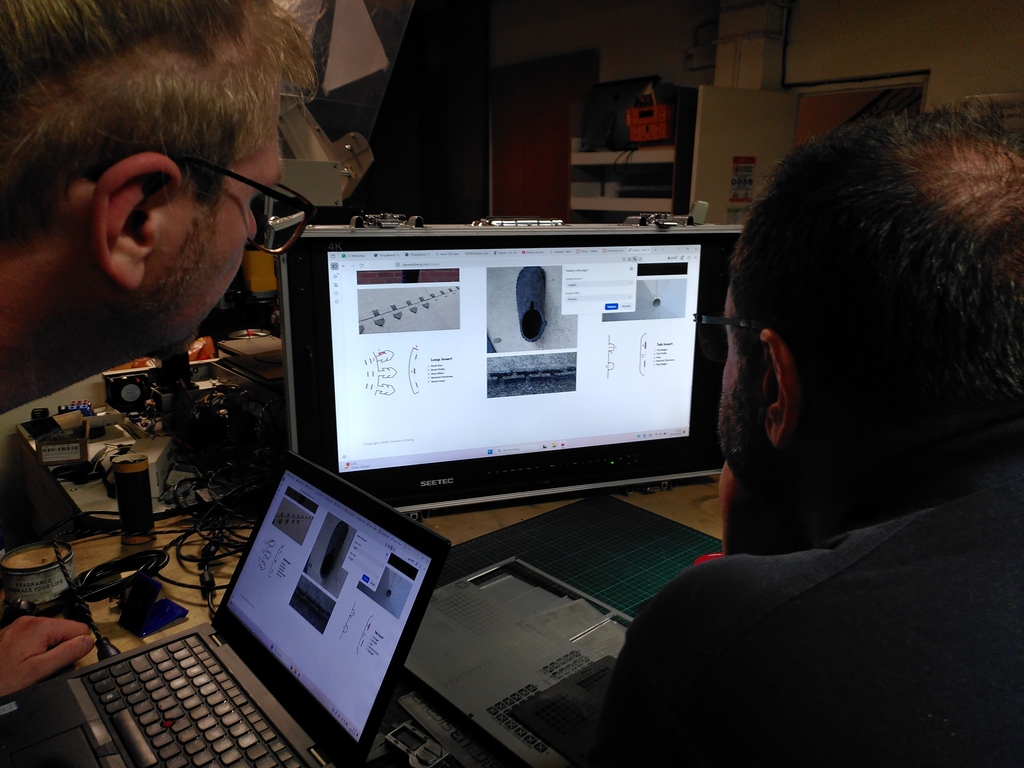
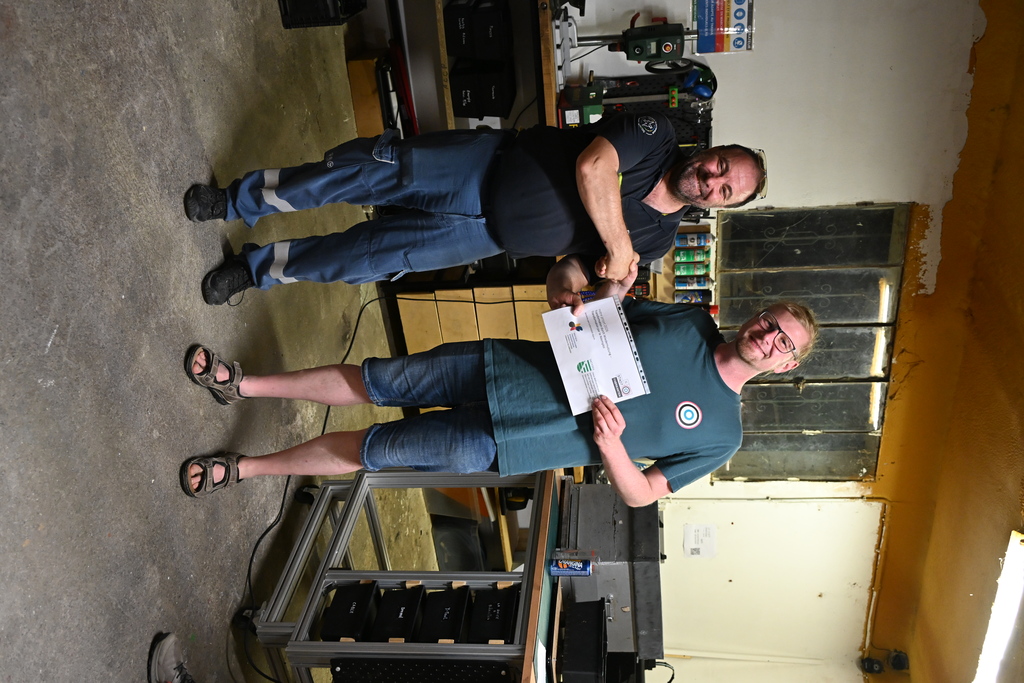
We had the whole evening to get to know each other, try out new things, and admire various works of art. Among others, we met Romain, Sonja, Patrice, Ivan, Kevin, and Sébastien. We had a barbecue together and cleaned up afterward.
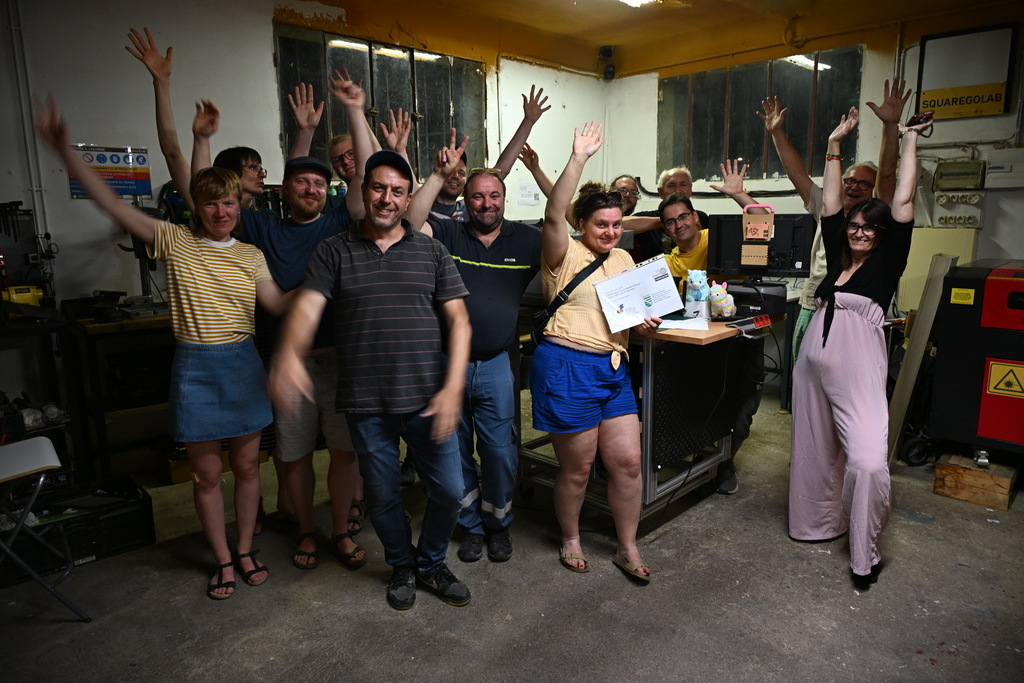
27.07.2026 | Stop 1 - Virginie Orthopédie // Perpignan
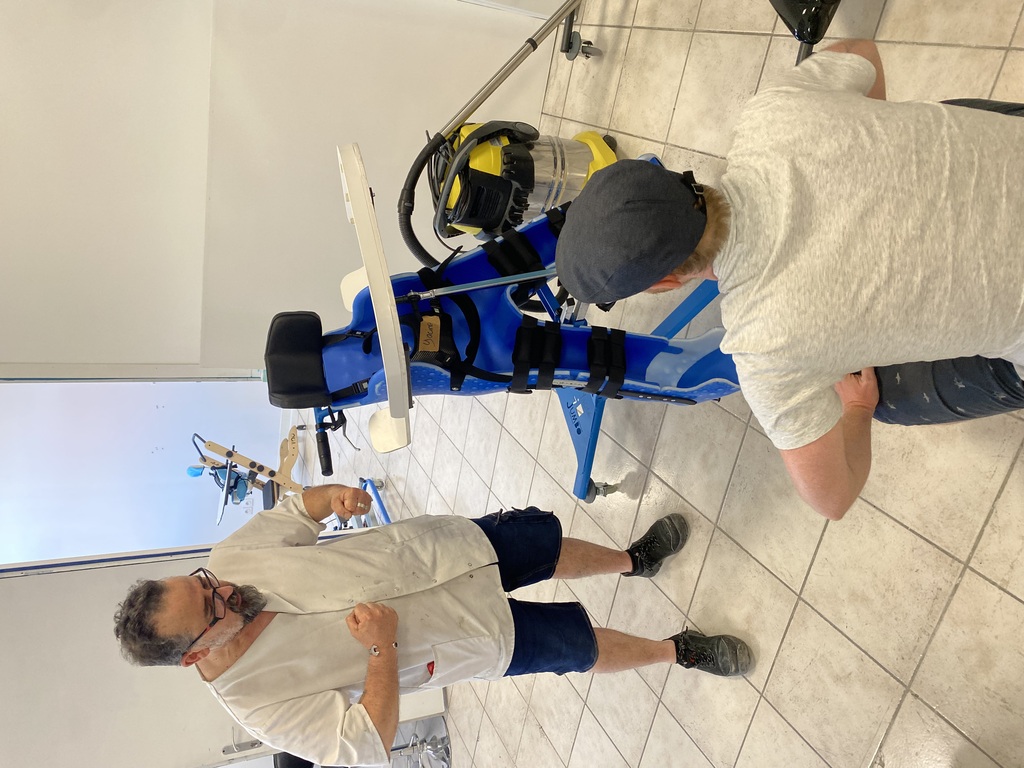
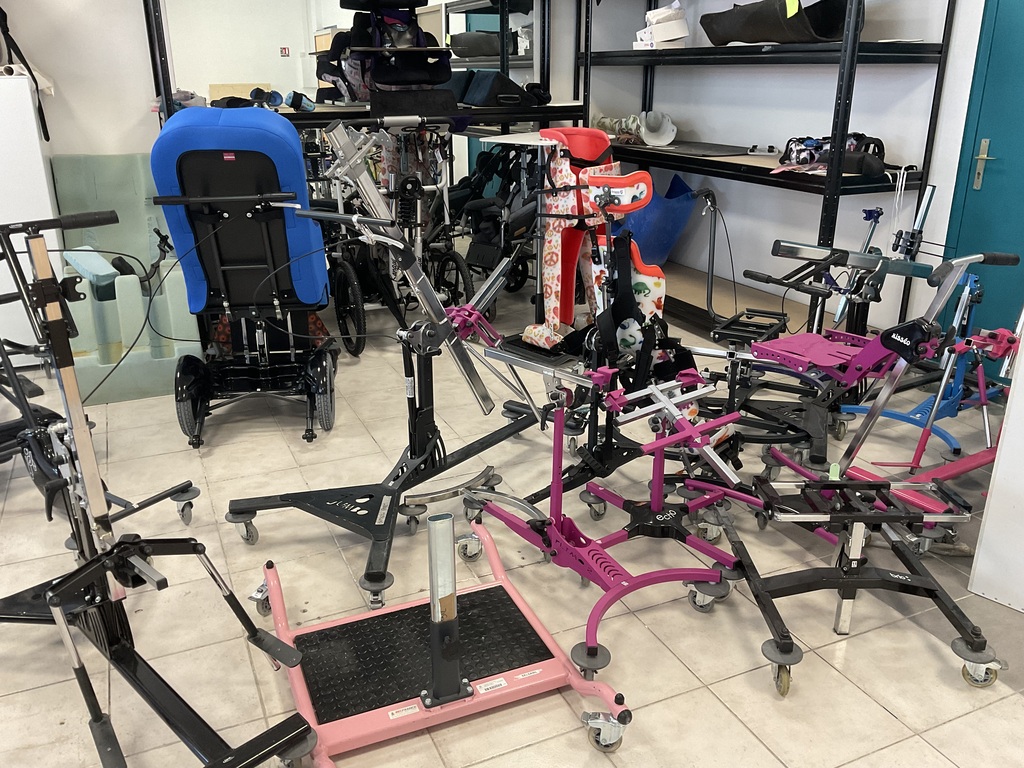
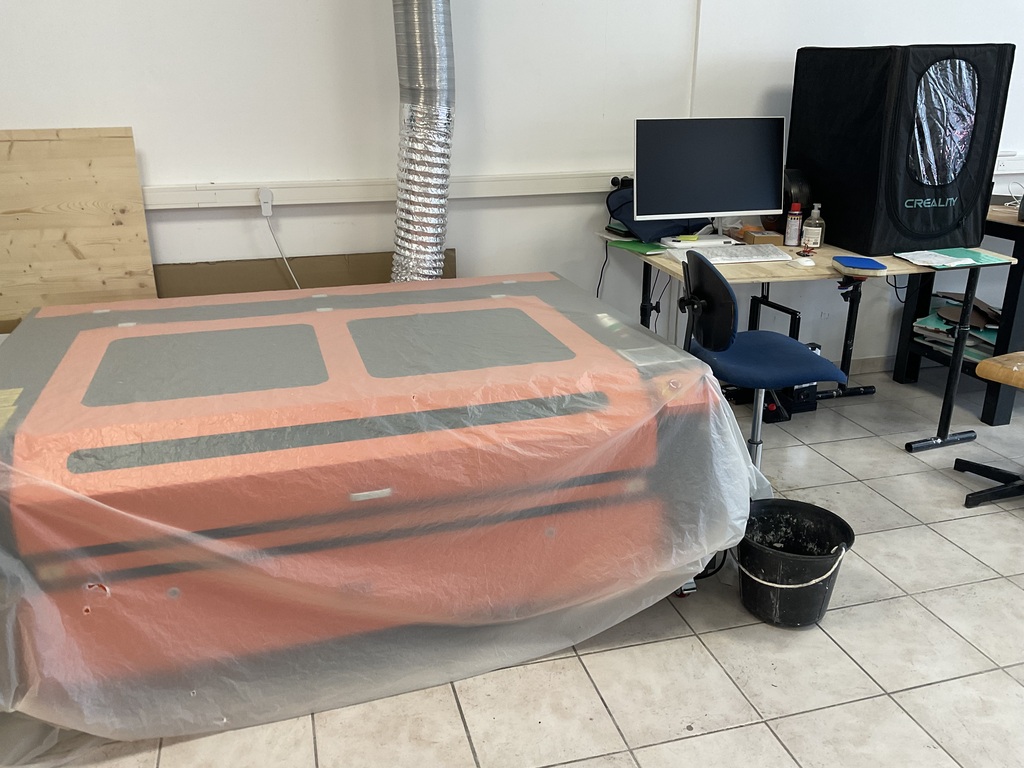
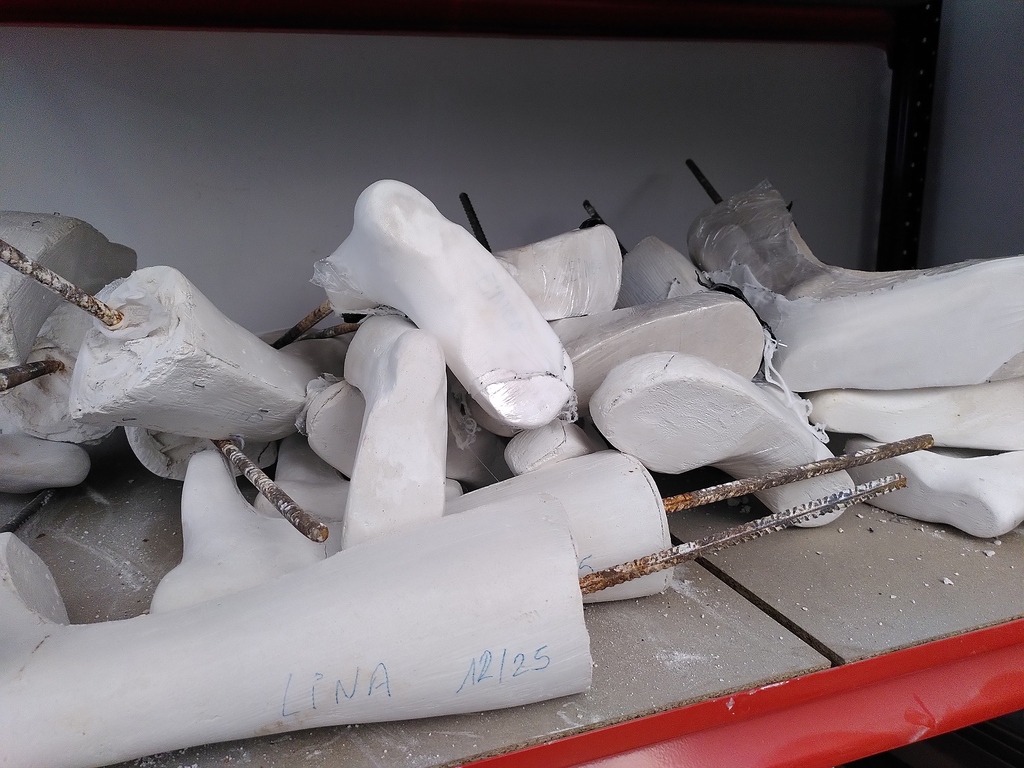
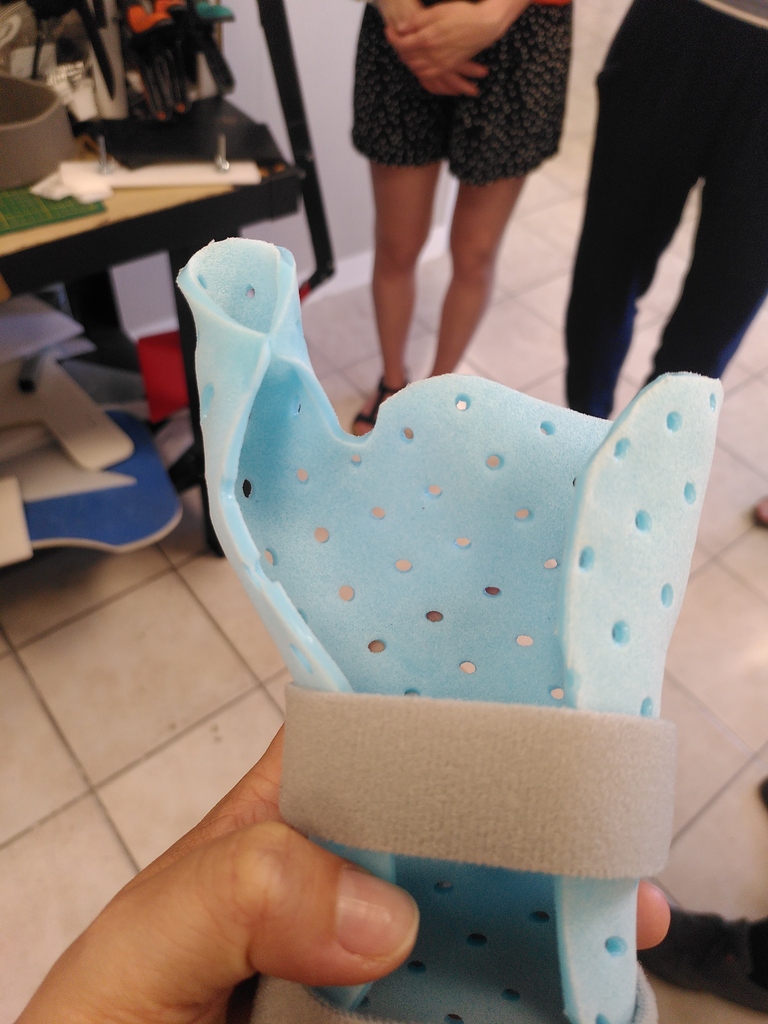
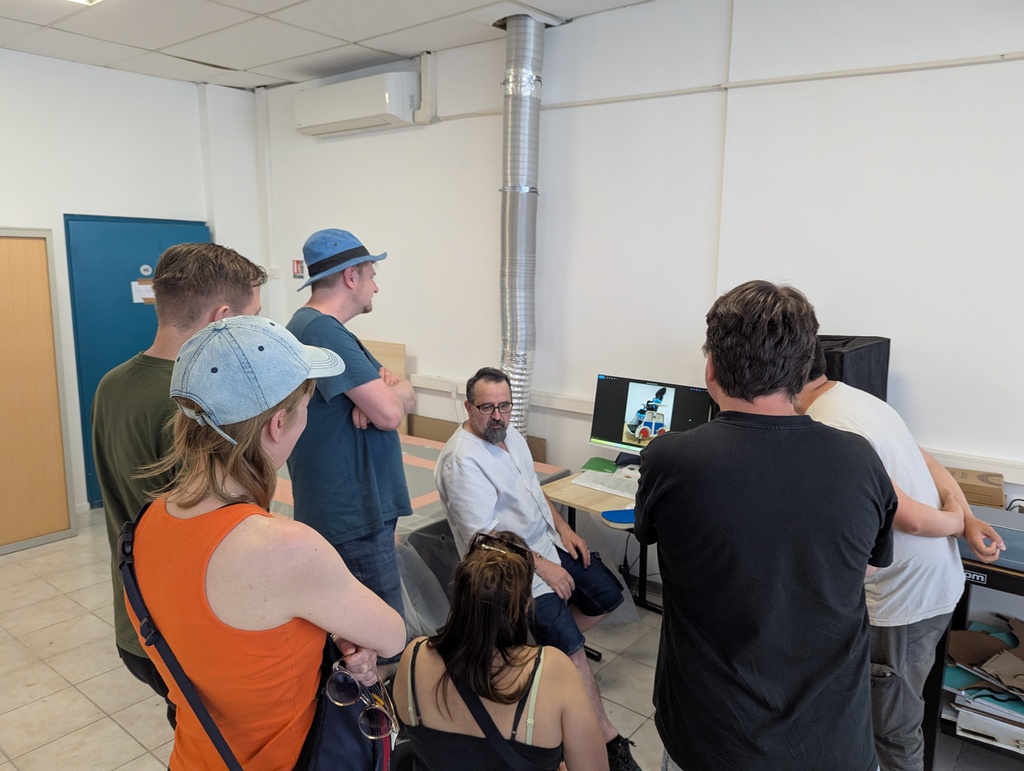
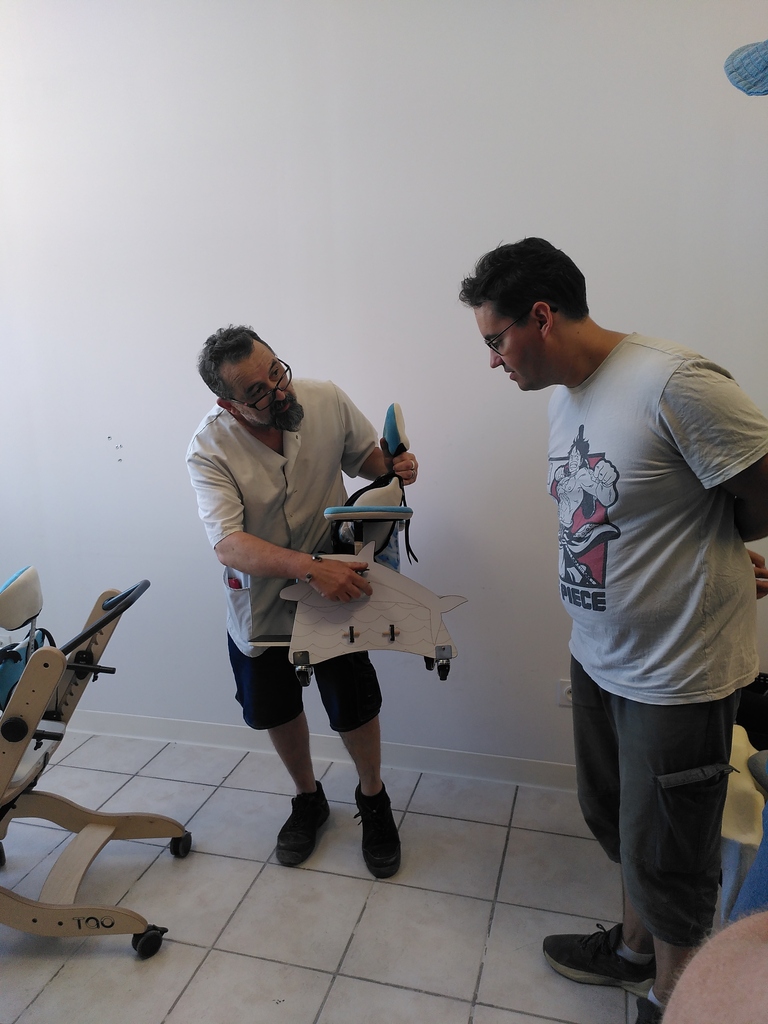
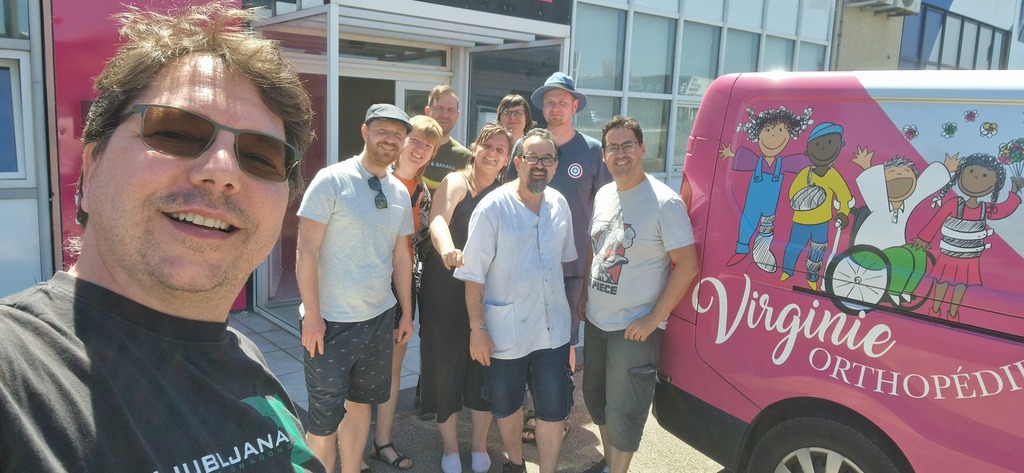
New day, new insights. We’re meeting with Ivan Pommet (whom we’d already met the day before, as well as in 2025). He’s not only a member of the LCF, but has also been working at Virginie Orthopédie for about a year. This workshop manufactures orthoses and prostheses for children and adults. There, he works as a designer and engineer and gives us insights into his work and that of his colleagues. Ivan has undergone a remarkable transformation in his life. As he tells us, he acquired the skills he brings to orthopedics primarily through the makerspace. Ultimately, this means that makerspaces can also have a thematic impact beyond their immediate scope and be economically relevant.
For us, it was yet another eye-opening experience. Working to help people in need fulfills Ivan, and we could not only see that but literally feel it. Restoring people’s autonomy is a precious gift, and achieving that requires, among other things, technical equipment to produce thermoplastic molded parts or to cut items using lasers or milling machines. Virginie’s workshop thus brings together a wide range of professional expertise: orthopedic and medical knowledge, engineering, traditional craftsmanship, digital CAD processing, graphic design, materials testing, and more. This also tied in thematically with our trip from last year, when we explored the topic of inclusion. We listened to Ivan’s explanations with great enthusiasm.
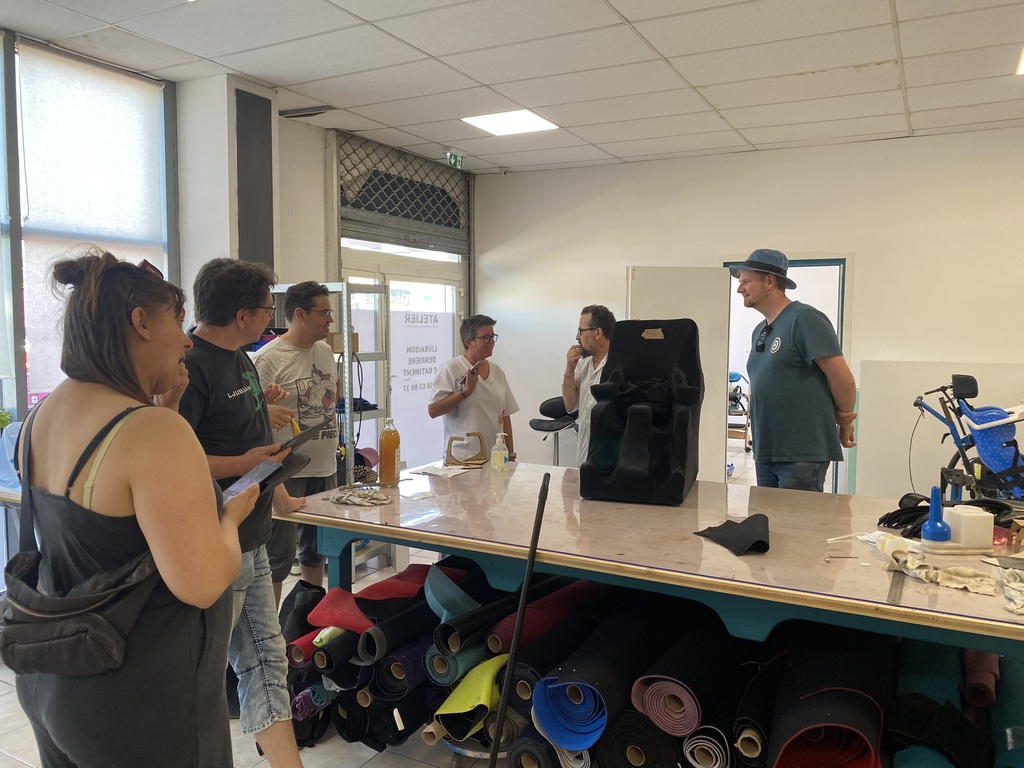
27.07.2026 | Stop 2 - Les Ateliers du Réemploi // Perpignan
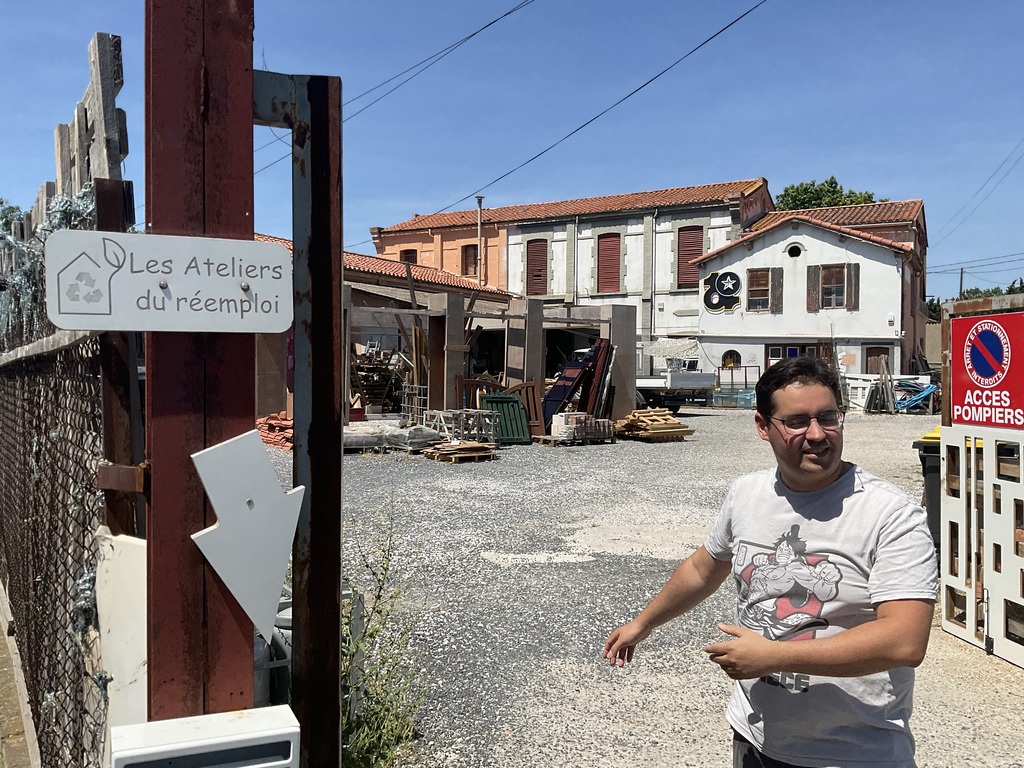
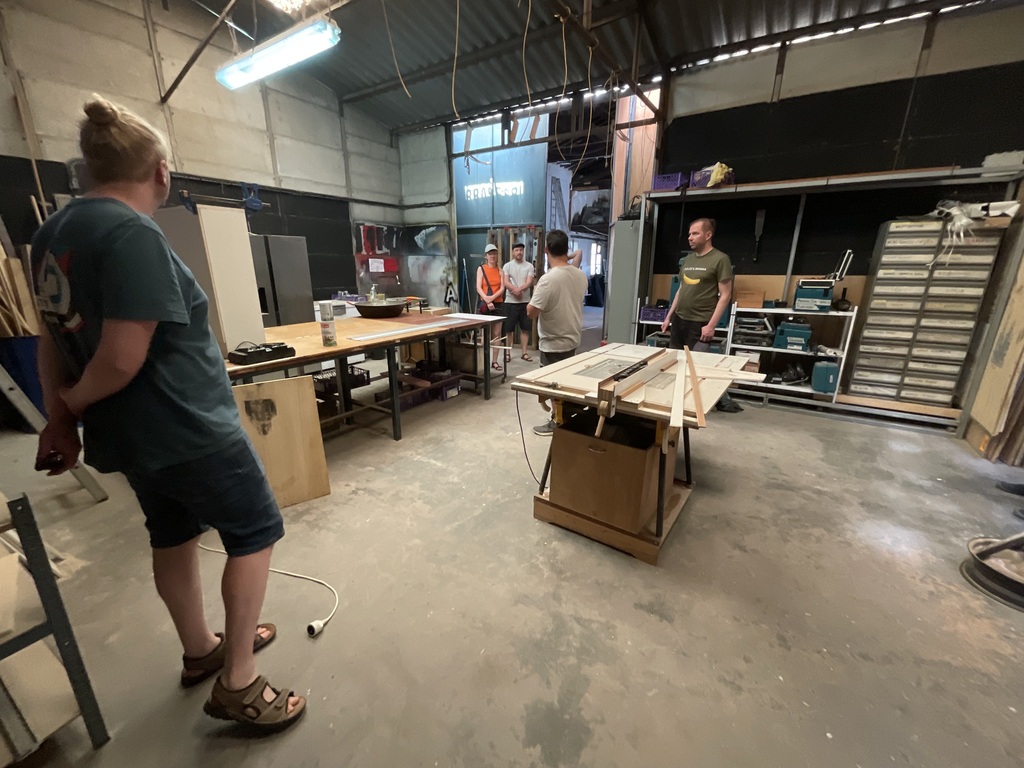
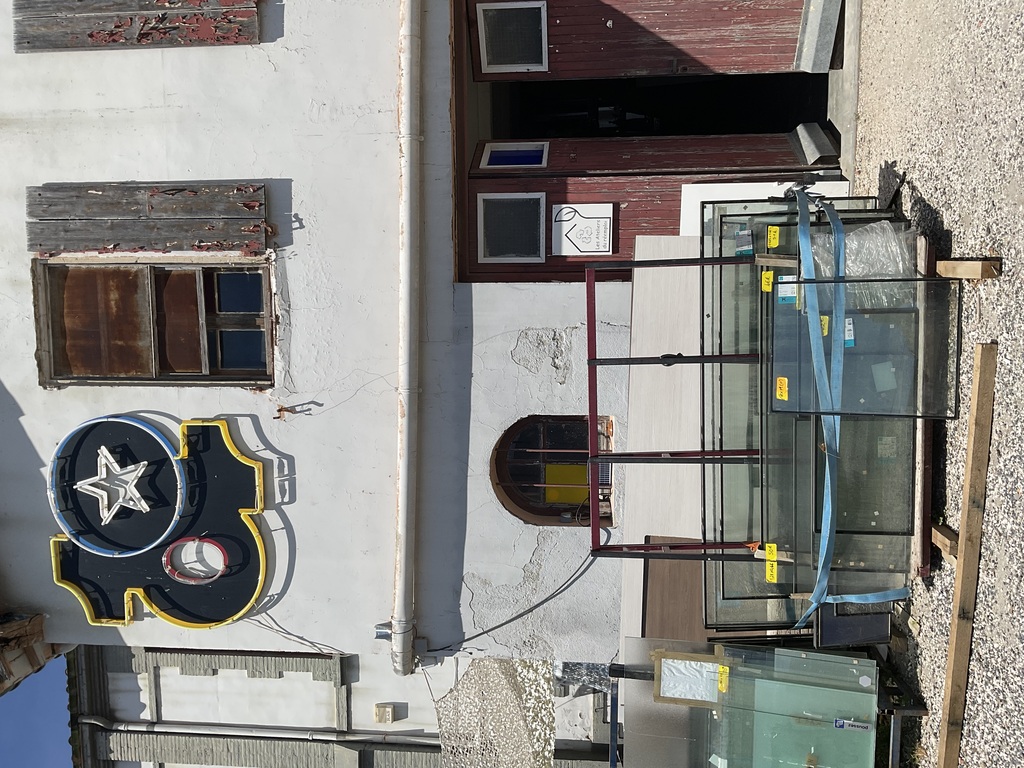
Our second major stop was in the large neighboring city of Perpignan. That was the last stop Romain took us to. We met at Les Ateliers du Réemploi - a so-called "Ressourcerie" or what we in Germany call a “material initiative.”
For us as urban entrepreneurs, the concept of circular economy-oriented associations is nothing new; we’ve been familiar with it at least since the founding of Konlgomerat e.V. with Zundstöffe, and, starting in 2025, also through our local urban economy neighbors with their own initiative called ZEUX (from Subbotnik e.V.).
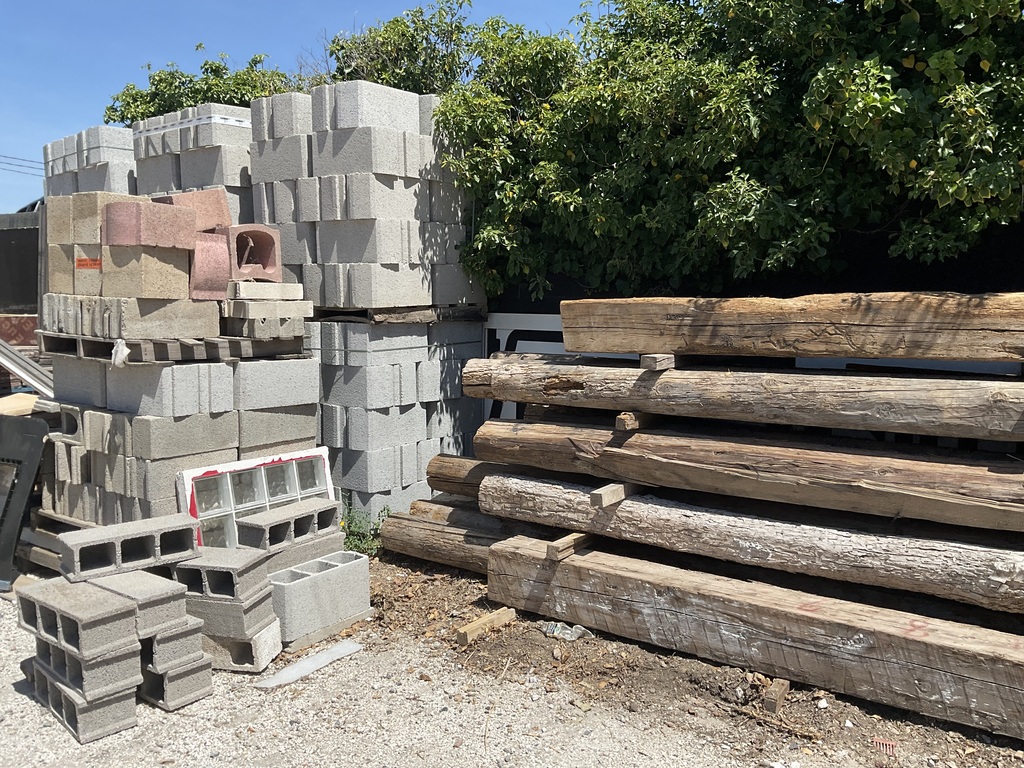
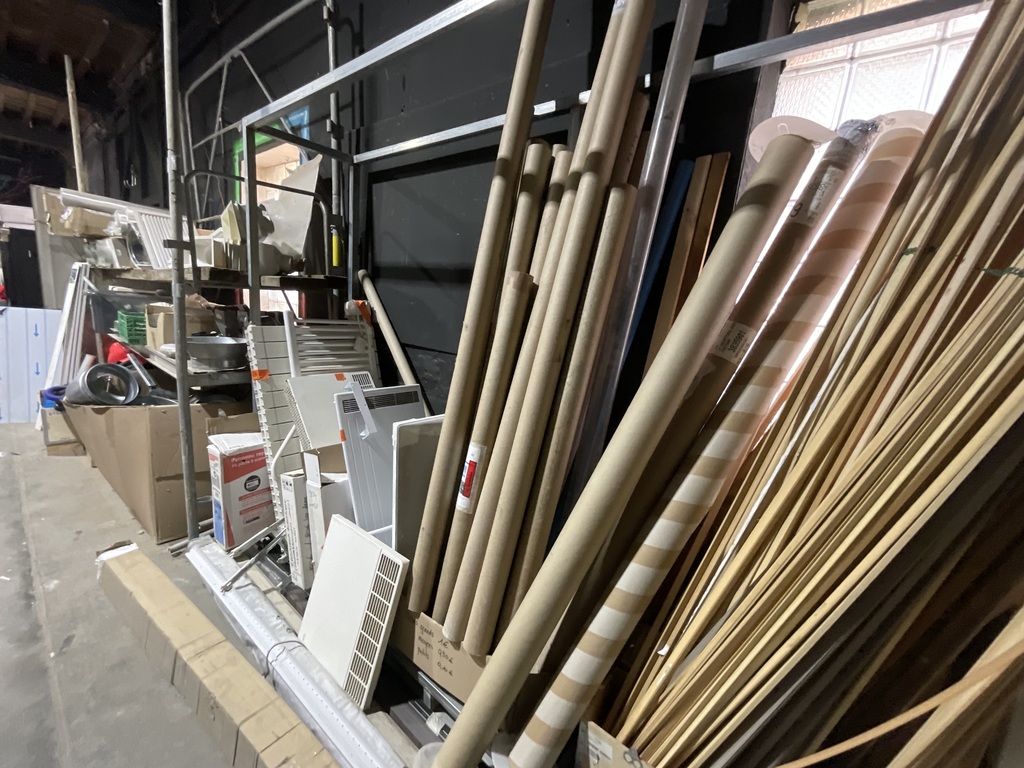
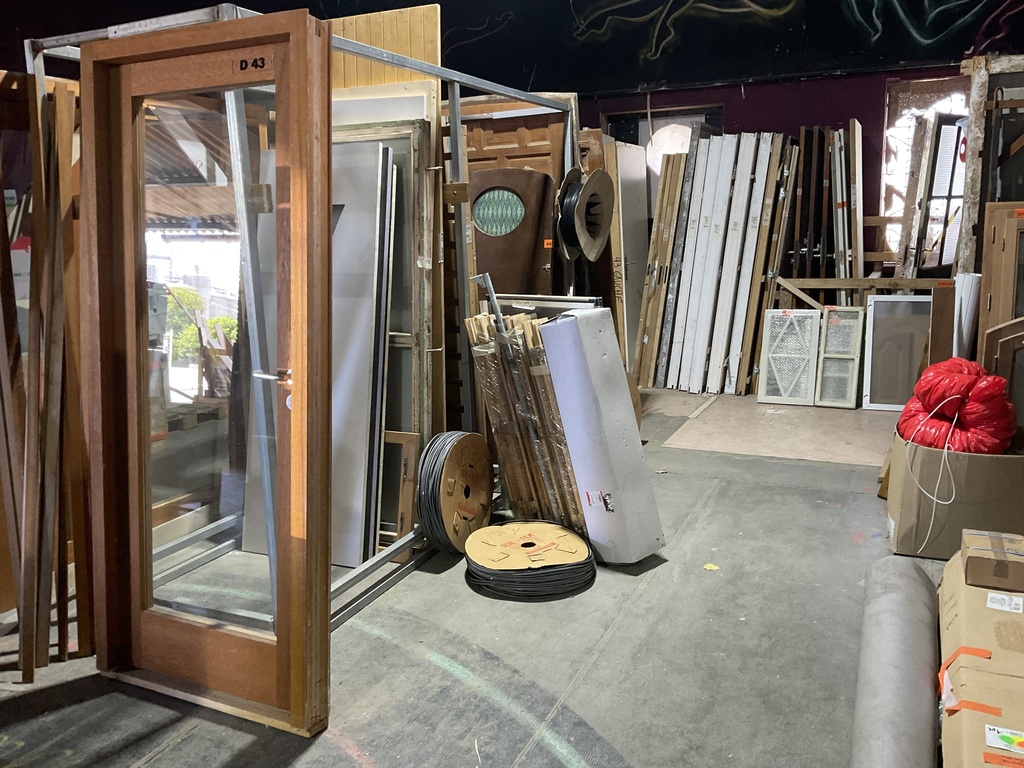
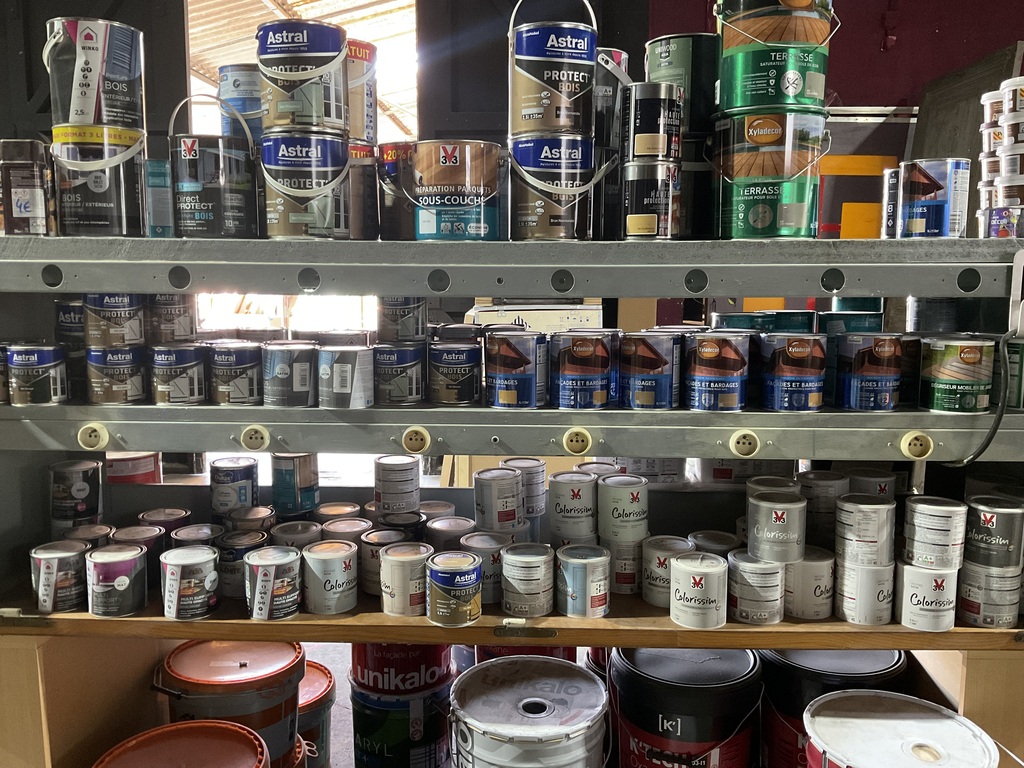
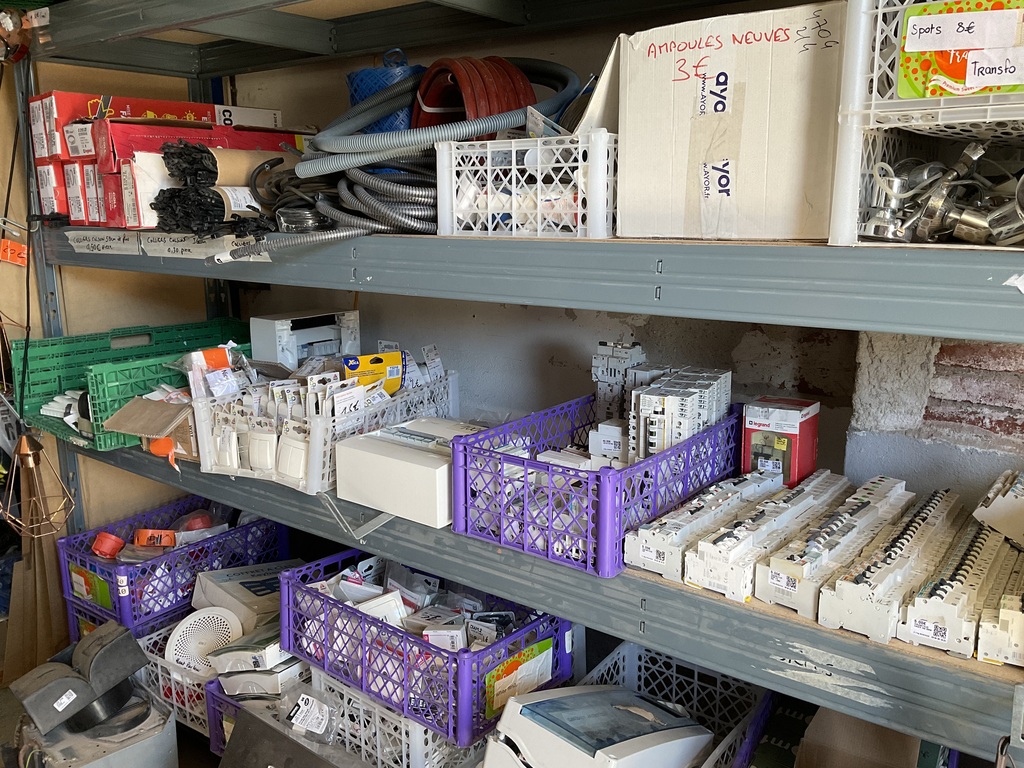
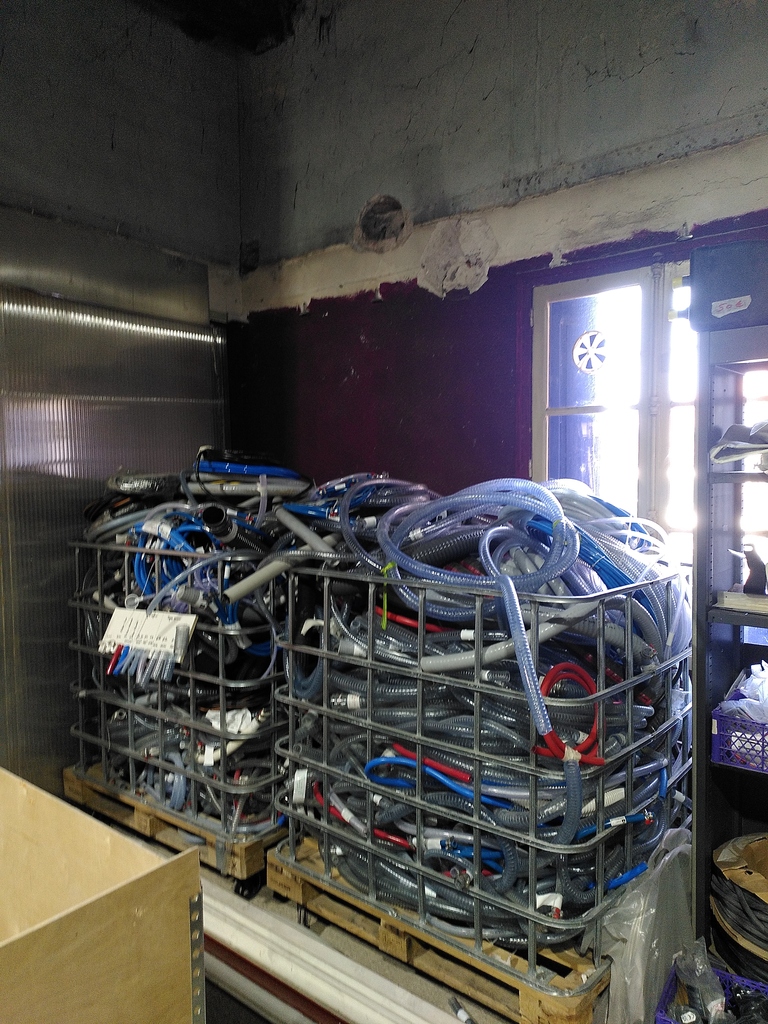
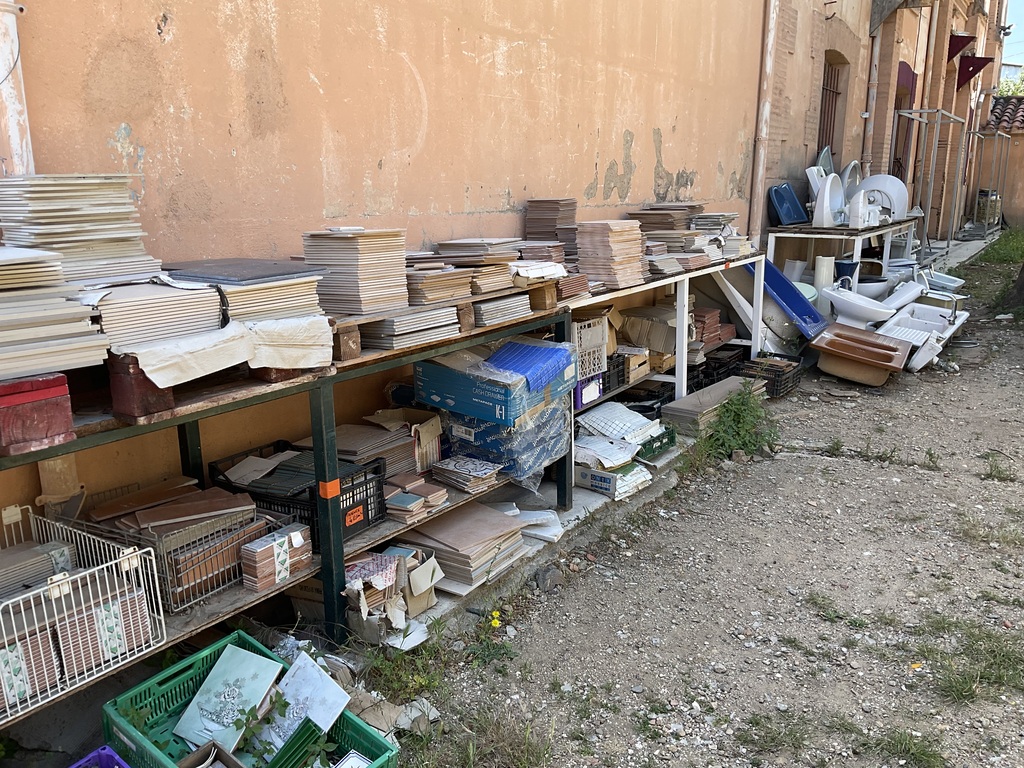
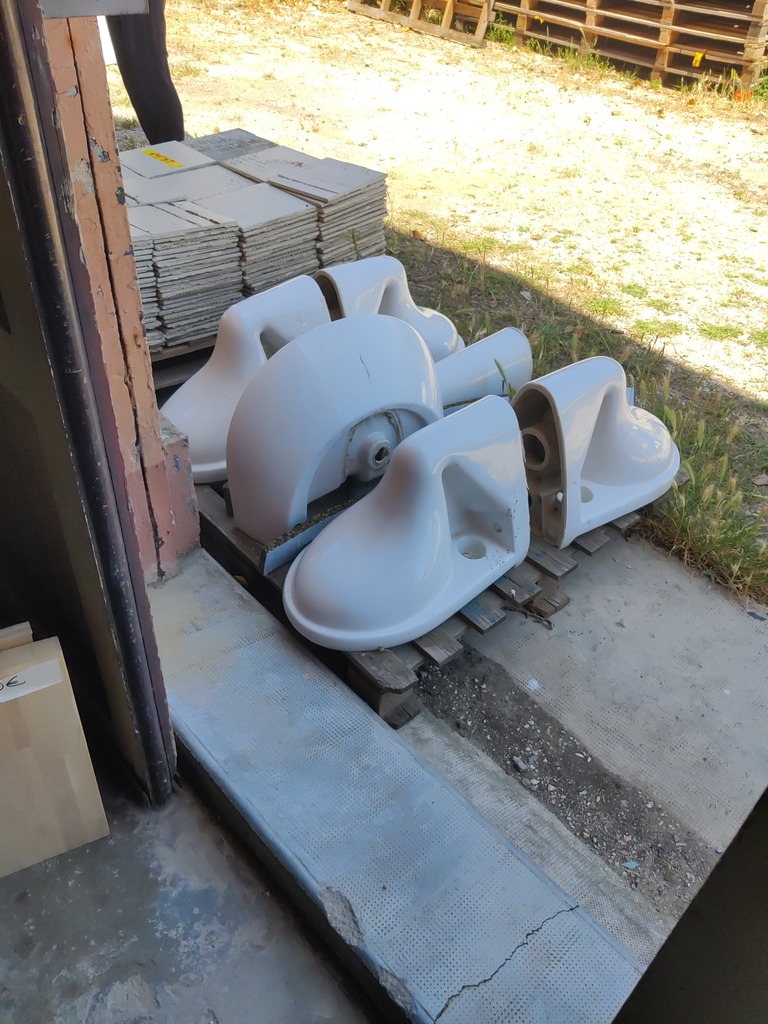
The core activity of Les Ateliers du Réemploi is collecting, sorting, and reselling second- and third-hand materials, thereby functioning as a local hardware store. The property is well-suited for this purpose: it features many large sales and storage areas, a workshop for refurbishing materials (e.g., cutting to size, edging, sanding), high-rise shelving, and a large courtyard. The materials come from various sources: demolition and new construction sites, businesses, household clear-outs, or private donations. Here you’ll find sturdy building materials such as tiles, stones, beams, battens, panels, windows, doors, electrical fixtures, paints, adhesives, and fasteners. All in all, it’s a great selection - and a lot of work.
These building materials are significantly cheaper than new items at a standard home improvement store and are often just as good (since there are experts who can assess them properly), except that they’re no longer in their original packaging or have been around for a few years. However, since it’s well known that any new product quickly becomes used (scratches, dents, fading), it’s worth questioning anyway just how much "new" a commercial product actually needs to be. Accordingly, we view it as a positive development that this alternative distribution of raw materials contributes to practical sustainability and can also inspire people to rethink their everyday actions.
31.05.2026 - 02.06.2026 | In between // Manzat & Region
[… here's a gap in the content from the previous days: that will be covered in the second part of the blog … ]
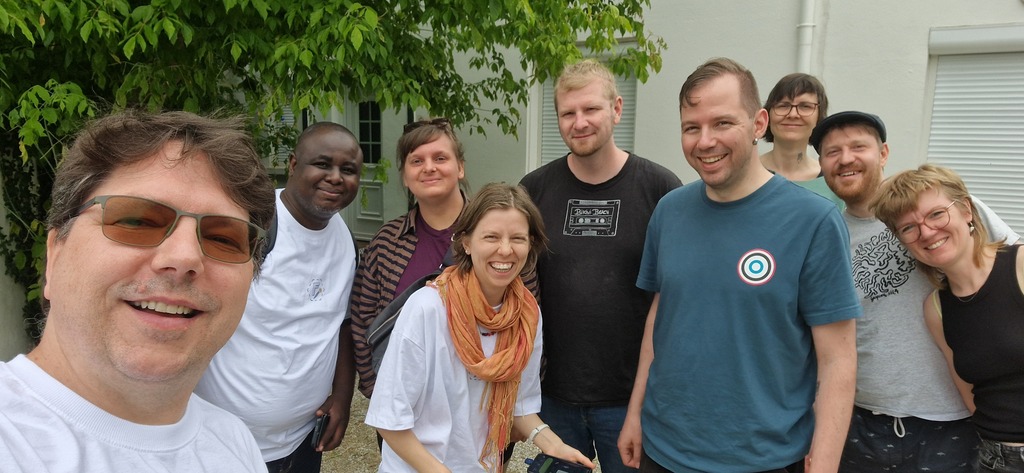
It’s already the end of May: our trip home is just around the corner. We pack our bags and leave Toulouse. We quickly take a farewell photo with Gildas, whom we met at the FaireFestival and who joined our group for a few days.
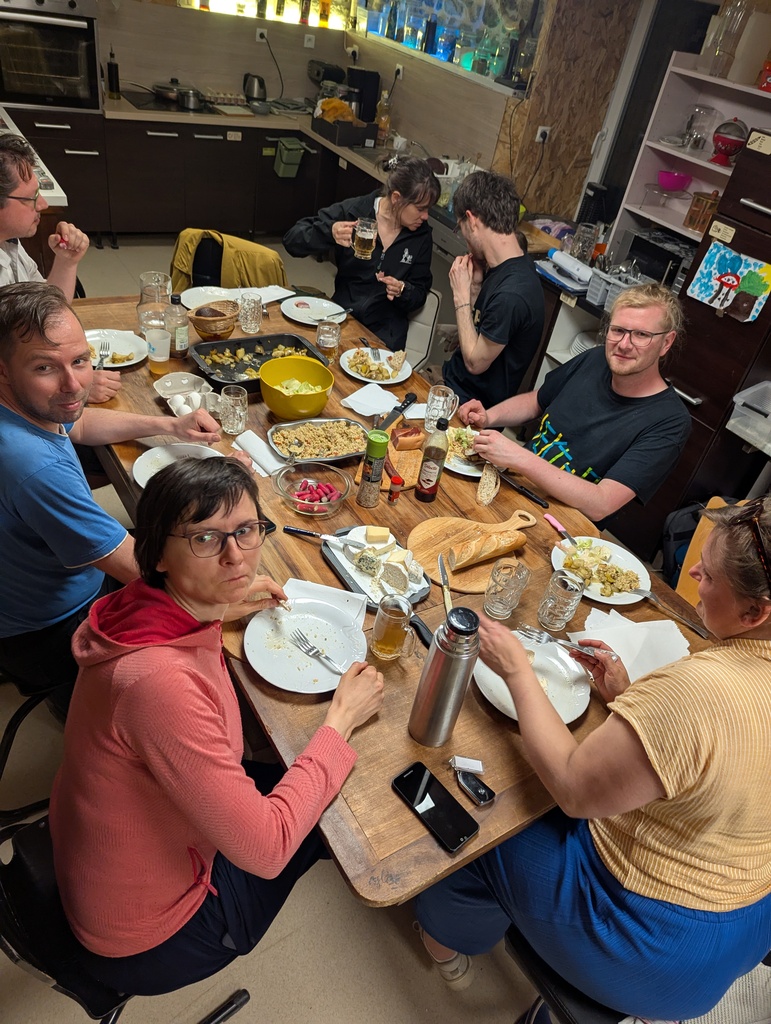
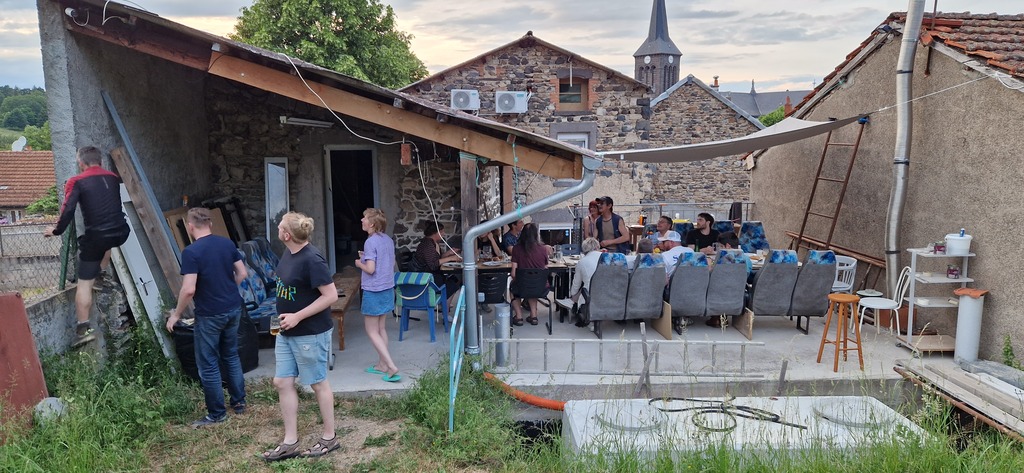
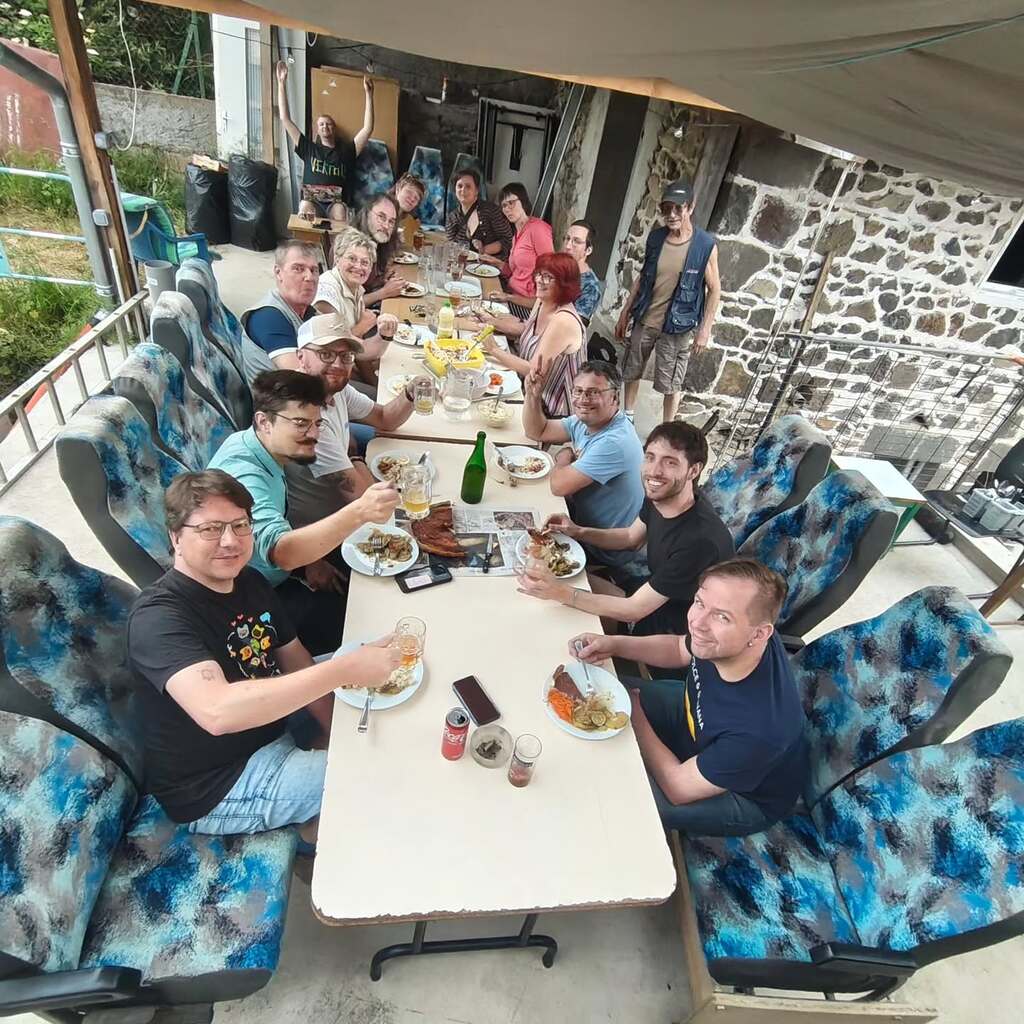
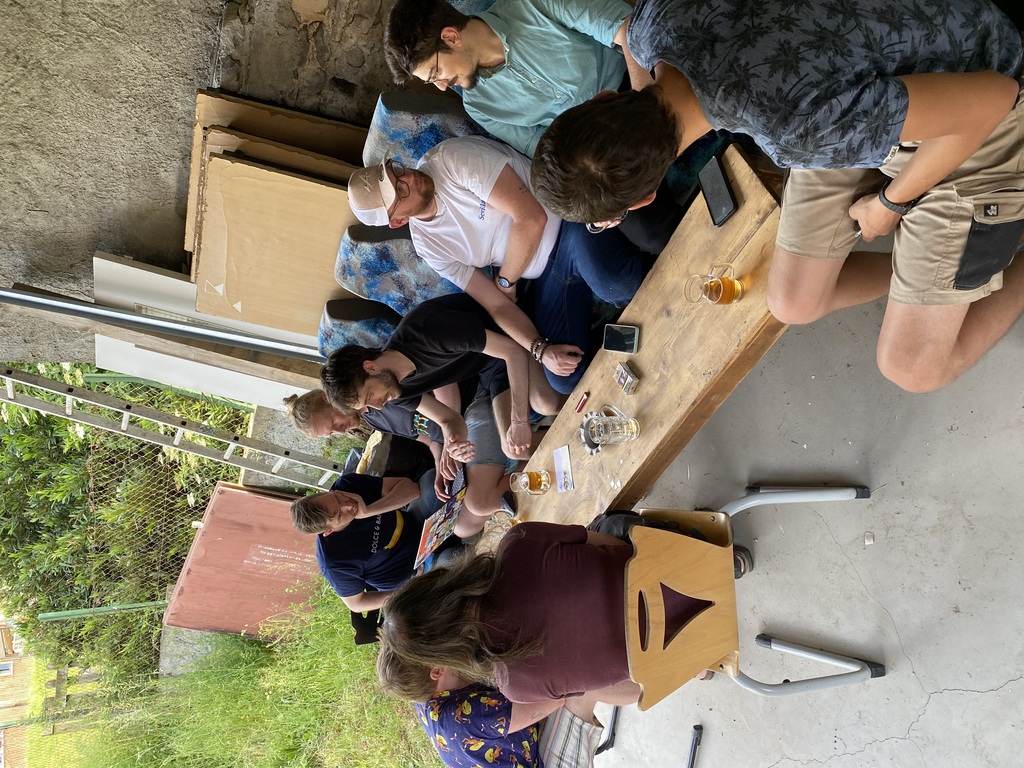
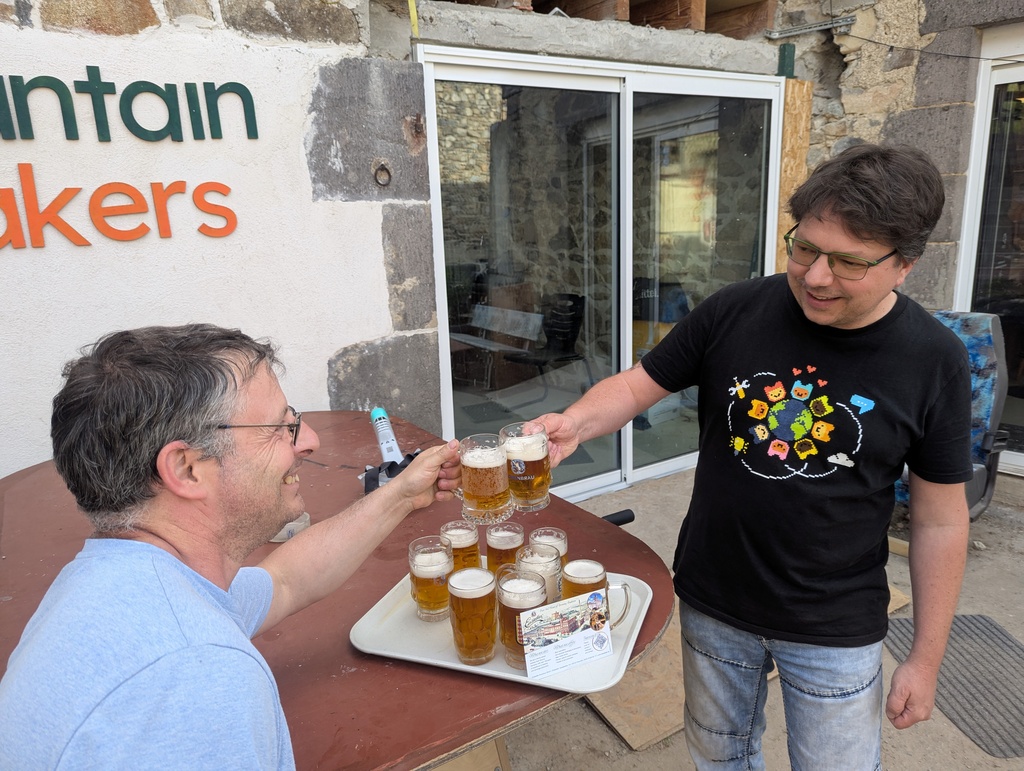
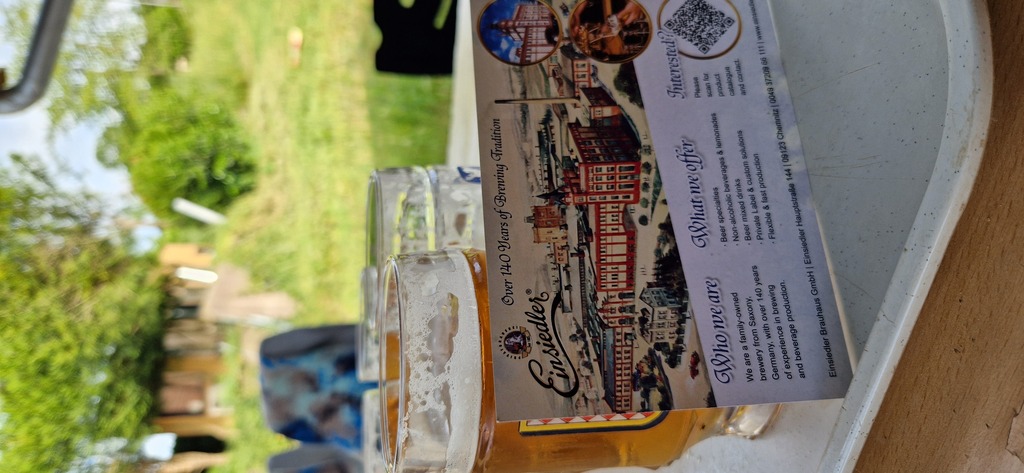
Before we head back to Germany, we break up part of the long drive with a second stop in Manzat. There’s another get-together there between us and the Mountain Makers. We’ve brought along the rest of the Einsiedler beer, which we hook up to the tap in the basement. All sorts of people stop by, and over a good meal together, we reflect on part of our trip.
Conclusion/Comment
Our journey has helped us grow in terms of content, provided us with new insights, taught us new things, and shed light on interesting formats and communities, as well as workshop ecosystems and their outcomes.
During our trip, we once again noticed that in Germany, open workshops are often heavily reliant on volunteers. In France, on the other hand, many FabLabs and Ressourceries are more closely integrated into institutional frameworks, sometimes receive municipal support (e.g., rent-free periods spanning several years or significant rent reductions), and are often more clearly integrated into regional innovation or social programs. At the same time, however, the funding structure in France is no longer as stable as it was in previous years, so volunteer-based structures appear more resilient overall, as they can function even without full-time staff—usually as long as the rent can be covered.
We are examining how these systems promote or limit the work of open workshops and which models can be replicated.
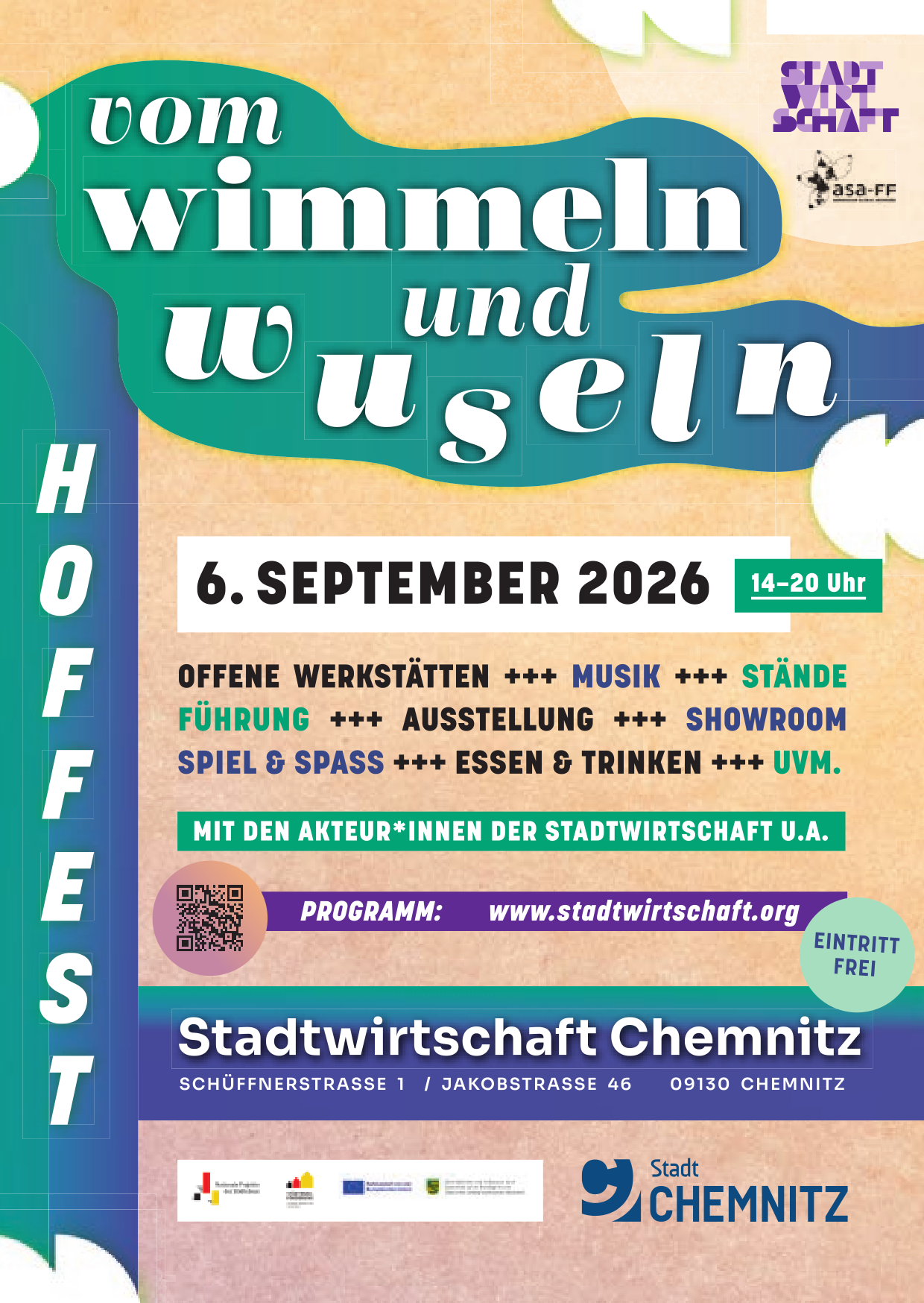
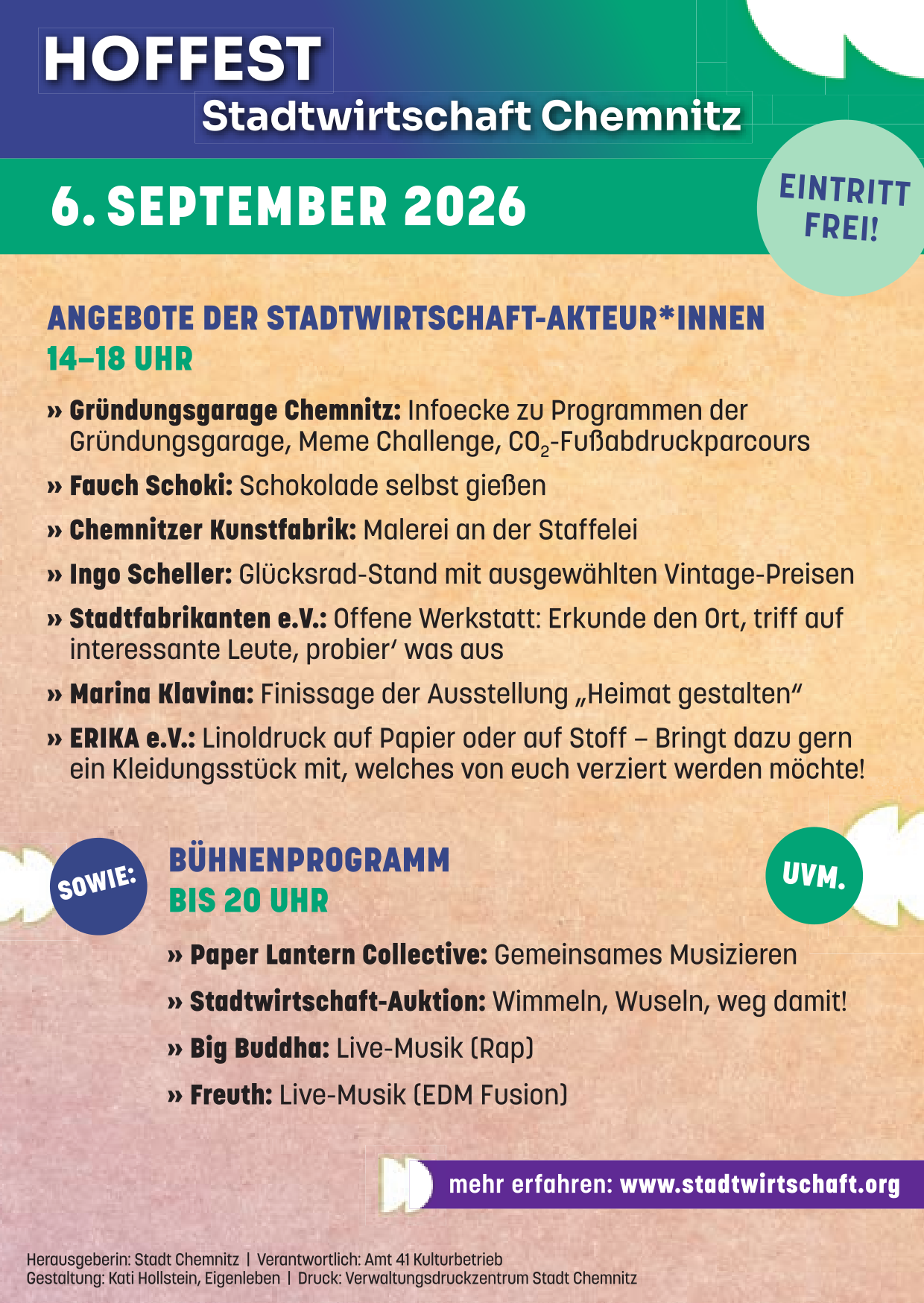
Wimmeln und Wuseln
As a follow-up to our trip, we’d like to share our experiences and insights from the annual farm festival “Wimmeln und Wuseln,” which took place on September 6 at the Stadtwirtschaft:
References 2025
Last year, we also visited many places in France. Here is a list of links to individual blog posts:
- Creating inclusive future ourselves - A summary
- Lab Accessible, c´est possible! // 17.-20.07.
- Tour de France – "South" route
- In the north of France: a travelogue
Support / Funding
The project is being supported by the Franco-German Citizens’ Fund (Fonds Citoyen Franco-Allemand) from April to September 2026. This initiative is also co-financed by tax revenue in accordance with the budget approved by the Saxon State Parliament.
Our supporters and partners include the French partner network RFF Labs, the German umbrella organisation Verbund Offener Werkstätten e.V., and the European Vulca Organisation for international relations between open workshops (also known as makerspaces), of which we are also a member.
We would like to express our gratitude for the financial support and the excellent networking opportunities, which were made possible several months before the trip thanks to the commitment of many people, in particular RFF Labs and VULCA.

Last but not least, here’s a clip about the Franco-German Citizens’ Fund:
Comments